A SpaceX rocket hit the Moon, Nasa has the pictures
MIAMI, Aug 19 — Nasa yesterday released new images of the crater caused by a SpaceX rocket slamming into the Moon...
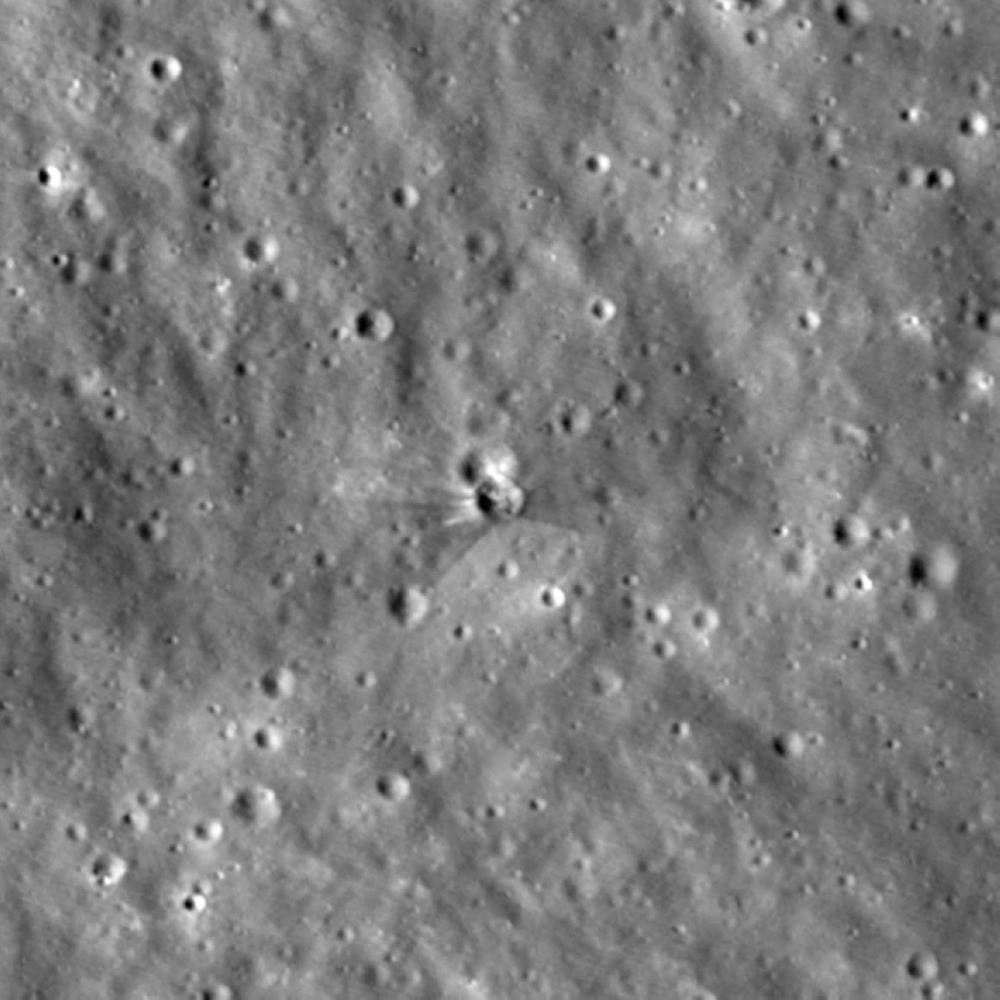
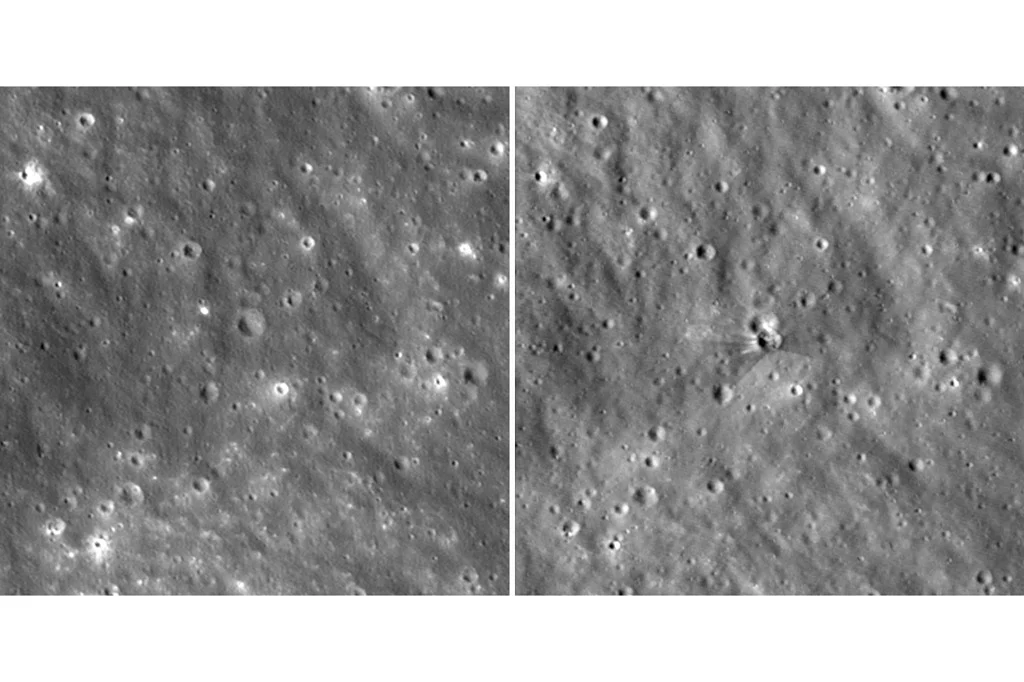
On August 19, NASA unveiled fresh images of the crater left behind by a SpaceX rocket impact on the Moon. The Lunar Reconnaissance Orbiter (LRO), which has been circling the Moon since 2009, captured these photographs between August 11 and 12, revealing the aftermath of a SpaceX Falcon 9 upper stage striking the lunar surface on August 5. Experts determined the crater to be roughly 60 feet wide (18 meters) and less than 10 feet deep, judging by the length of its shadow.
This wasn't the first time the impact site was photographed. The Korean space agency released pictures on August 6 taken by the Korea Pathfinder Lunar Orbiter (KPLO), also known as Danuri, just a day earlier. The LRO's orbit allows it to circle the Moon's poles each two-hour rotation, making photographing a specific spot challenging. It had to wait six days for the desired location to be in view, and its camera had to be perfectly aimed while passing just 60 miles overhead.
Timing was equally crucial, as a 10-second delay could have caused the camera to miss the target by 10 miles. The resulting images from various angles showcased different features, such as darker streaks that are composed of surface dust and rocks altered by solar wind, cosmic rays, and micrometeorite impacts thrown up by the collision from 1.5 feet below the surface. Brighter streaks along the crater's rim were fresh material excavated from deeper underground.
Collaboration played a key role in locating the crater site, involving NASA's Center for Near Earth Object Studies, the Korean team, and various experts and enthusiasts. NASA's center continuously refined the trajectory, providing the KPLO team with coordinates to refine their follow-up imaging sequence.
Written by urgent.news from Malay Mail's reporting — not their text. Machine-written — may contain errors; check the original before relying on it.
This story
This is one outlet's version. Read the fullest account.
- NASA: SpaceX rocket crash made basketball court-size moon crater mashable.com
- NASA Shares Before-And-After Photos Of Moon Crater Made By SpaceX Rocket forbes.com
- 'Incredible': SpaceX rocket spotted off Christmas Island coast bbc.co.uk
- NASA finds crater created by SpaceX rocket’s Moon crash nationalpost.com