A Nazi bunker stands in the way of Berlin’s housing plans
If it weren’t for the easily missed informational plaque, the site of Adolf Hitler’s demise could be mistaken for a normal parking lot.
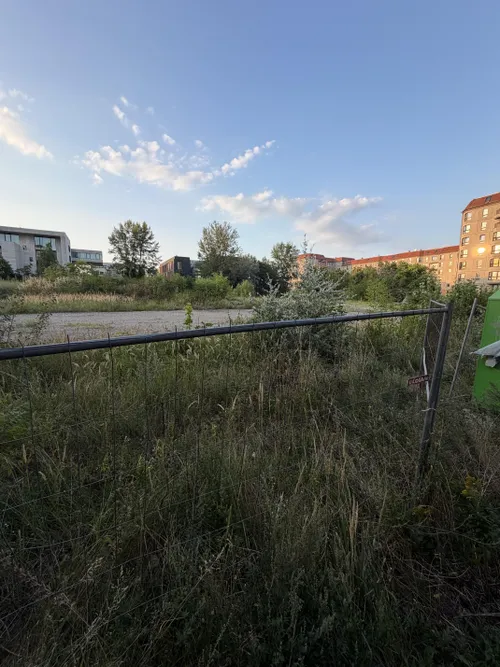
A Nazi bunker, which once served as Adolf Hitler's New Reich Chancellery, is obstructing plans to construct apartments and office space in Berlin's Potsdamer Platz area. The site, located near the Mall of Berlin, was discovered in 1999 after construction workers inadvertently unearthed parts of the concrete bunker during demolition work. This has reignited a debate over how Germany should handle Nazi relics, balancing the need to preserve history with avoiding glorification.
The developer, SMV Berlin, has been granted approval to transform the property into residential and commercial spaces. However, preservationists argue that the intact bunker, one of the last remnants of Hitler's power center, should be protected. The Hamburg-based developer did not comment on the matter when contacted.
In a memo, Berlin's State Monument Council expressed concerns about the developer's demolition plans, urging authorities to reconsider whether the site should receive historical protections. The council highlighted that the chancellery served as the planning and starting point of World War II and symbolically represented the catastrophic end of the Nazi regime.
Berlin's senator for urban development and housing, Christian Gaebler, supports the construction project, citing the city's housing shortage. Despite Berlin's population growth of over half a million people since 2010, residential construction has not kept pace, according to a CBRE analysis. The thick walls of the bunker, more than five feet thick, could easily accommodate the construction of apartments and offices, according to Dietmar Arnold, chairman of Berliner Unterwelten.
Arnold, while not opposed to the construction, wants the site to be preserved as an information and documentation center about the downfall of the Nazi regime and the final days of World War II in Berlin. However, divisions persist over the site's fate, reflecting a long-standing debate on how Germany should grapple with its complex history, particularly the rise of Hitler and the Holocaust.
Written by urgent.news from IOL's reporting — not their text. Machine-written — may contain errors; check the original before relying on it.