5 animals that have no head but can still see
When envisioning animals, most people picture a body with a clearly defined head, eyes, a mouth, and a brain. However, evolution has taken a unique approach for certain creatures. Some animals lack a distinct head altogether or have an amorphous body plan, making it challenging to pinpoint one. Nevertheless, many still possess light-sensitive organs or fully functional eyes that aid them in navigating, detecting threats, and locating sustenance.
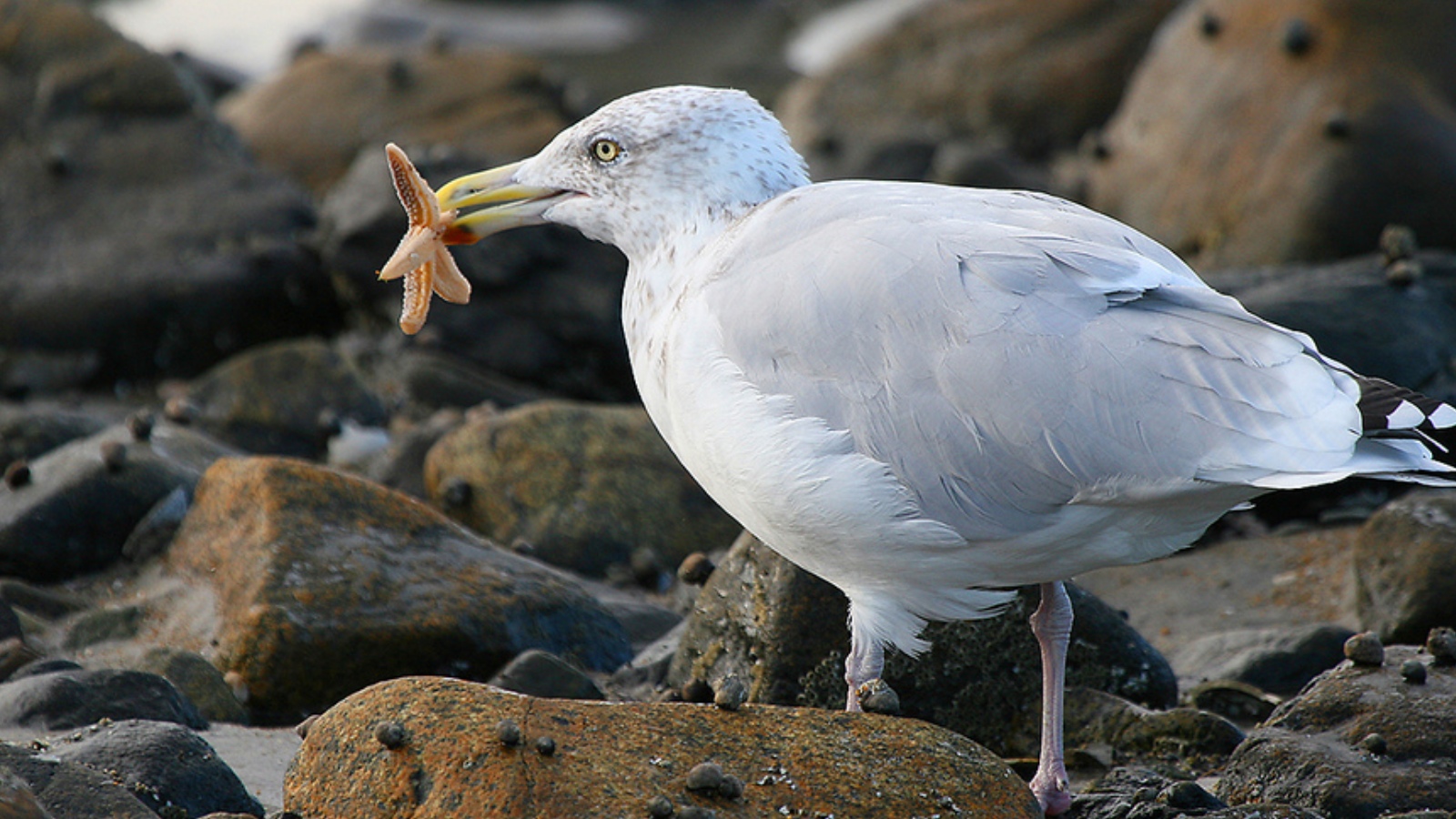
Here are five fascinating instances. Starfish Despite their name, starfish do not possess a true head or brain. Instead, they exhibit radial symmetry, where their body structure revolves around a central disc. Each of their arms culminates in a minuscule eyespot capable of detecting light, shadows, and large objects. While these eyes cannot generate intricate visuals, they assist starfish in orienting themselves and retracing their path to coral reefs following a wandering episode.
Sea urchins Also devoid of a distinct head, sea urchins can indeed "see" without conventional eyes. Their bodies are replete with light-sensitive cells; their elongated spines aid in blocking light from various directions, effectively transforming their entire body into a rudimentary visual system. This enables sea urchins to discern approaching predators and maneuver their surroundings.
Scallops Scallops boast one of the most peculiar visual systems in the animal kingdom. Rather than a head, they boast up to 200 diminutive, vivid blue eyes arranged along the periphery of their mantle. Each eye incorporates a mirror fashioned from microscopic crystals that reflects light onto the retina, a configuration seldom observed in nature.
These eyes empower scallops to detect movement and evade predators by rapidly clapping their shells shut to propel themselves away. Moon jellyfish Jellyfish do not possess a brain nor a defined head; yet many species harbor rudimentary sensory structures called rhopalia. These contain basic eyes that perceive variations in light intensity and direction.
Although they cannot discern detailed imagery, these light-sensitive organs aid jellyfish in maintaining their orientation in water and reacting to environmental shifts. Brittle stars Close kin to starfish, brittle stars lack a distinct head. Instead of depending on eyes situated at the termini of their arms, many species harbor light-sensitive cells dispersed throughout their skeletal structure.
This empowers them to perceive light and shadows across a significant portion of their body, facilitating a swift retreat into crevices when danger looms. Delve into additional enthralling narratives about pets and animals through our platform, and make us your go-to destination for the latest insights from the animal kingdom.
Written by urgent.news from The Indian Express's reporting — not their text. Machine-written — may contain errors; check the original before relying on it.
This story
This is one outlet's version. Read the fullest account.
- 5 animals that have no head but can still see indianexpress.com