$10 Quake shareware CD locked copies of all id Software games behind a flawed encryption scheme — pay-over-the-phone system only held up for 39 days after 1996 release, leaving developer with 150,000 discs it couldn't sell
id Software included locked versions of its entire game library on the $10 Quake shareware CD it released in 1996. But the system meant to allow gamers to pay for and unlock those titles over the phone proved vulnerable to crackers who discovered a way to unlock every game on the disc for free.
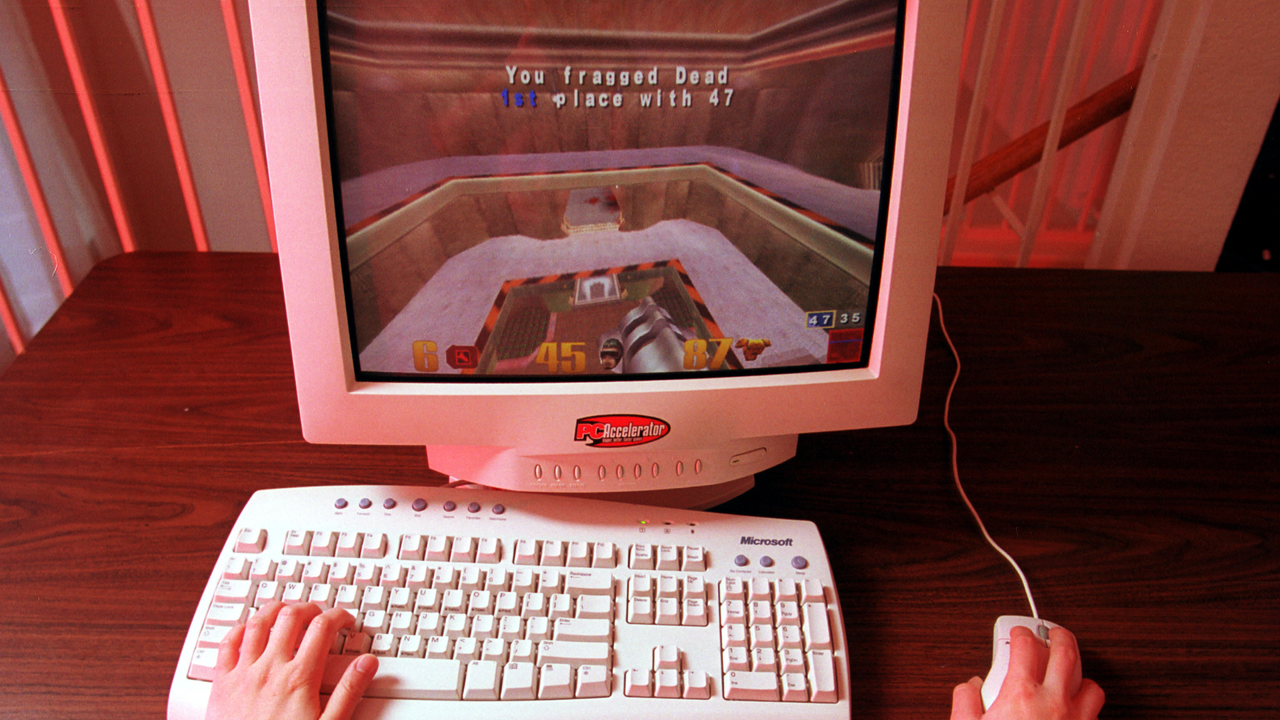
In 1996, shareware CD released id Software's Quake game, offering a $10 purchase option for the full version. The remaining 618MB of the CD was left empty as the shareware and full game versions took up only 22MB. To utilize the full games on the disc, gamers needed to call the "Quake Unlock Center" and provide a challenge code and credit card information, unlocking their preferred game over the phone.
This innovative approach allowed developers to bypass intermediaries and maximize sales. However, the encryption scheme proved vulnerable, with hackers cracking it within 39 days of the 1996 Quake release. The GNOMON group released QCRACK.exe, a tool capable of generating serial numbers for all games on the CD, rendering the flawed security system ineffective.
The company had relied on a form of security by obscurity, as the serial number could be generated using the hard-coded data on the disc, despite the semi-random nature of the serial number provided by the unlocking program. This failure led to id Software discontinuing the shareware CD distribution, resulting in 150,000 unsold discs.
Although the Quake crack saga predates the internet era, it highlights the ongoing cat-and-mouse game between game publishers and pirates, which has persisted even as advanced DRM systems like Denuvo have been cracked.
Written by urgent.news from Tom's Hardware's reporting — not their text. Machine-written — may contain errors; check the original before relying on it.