Young adults are losing faith in AI's upside
Data: Pew ; Chart: Noah Bressner/Axios A majority of U.S. adults under 30 are now more concerned than excited about AI's growing use in daily life, according to a Pew Research Center report published Tuesday. Why it matters: AI excitement has dropped off across all age groups since 2021, as concerns about the technology's impact on job availability and society have grown. By the numbers: About…
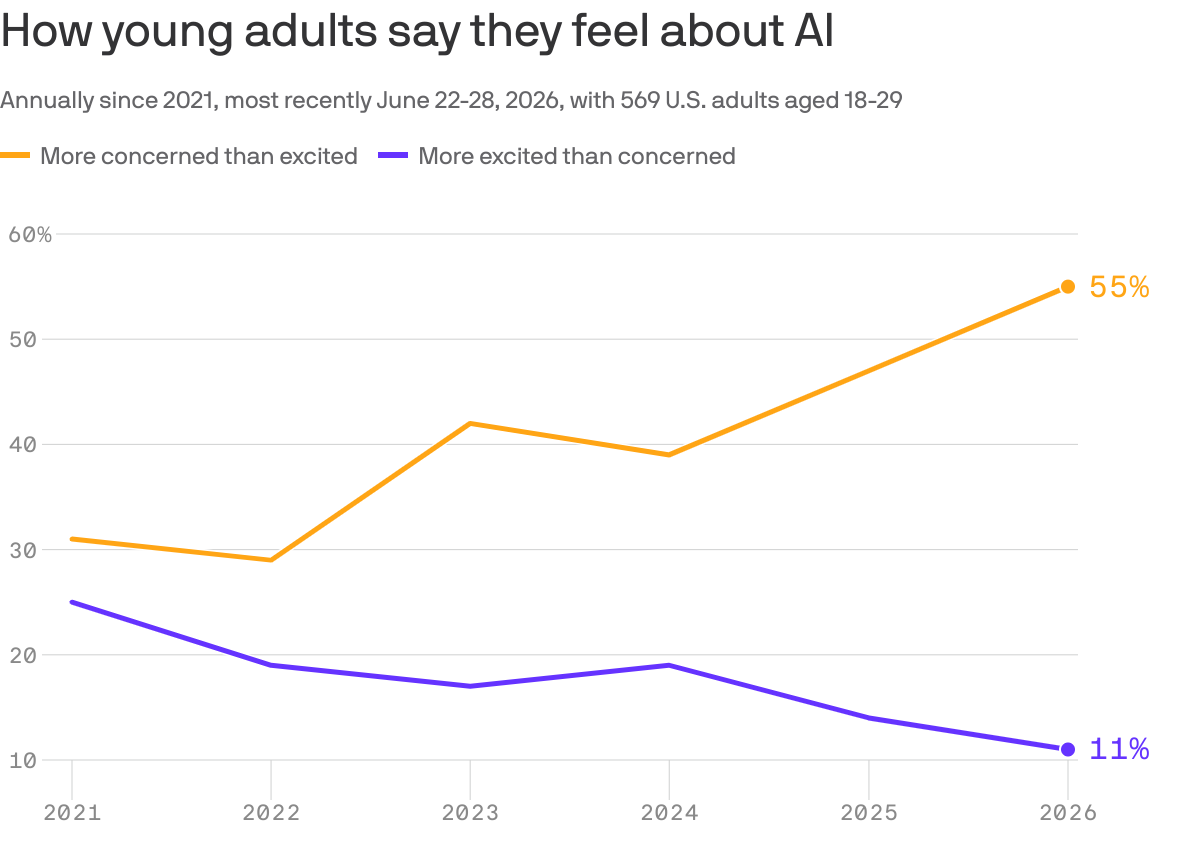
A Pew Research Center report published on Tuesday indicates that a majority of U.S. adults under 30 are more concerned than excited about the increasing use of AI in daily life. This shift in sentiment has grown since 2021, with 55% of adults under 30 now expressing more concern compared to excitement about AI, a 24-point increase from previous years. Only about 10% of this age group feels more excited about AI, while a third feel equally concerned and excited.
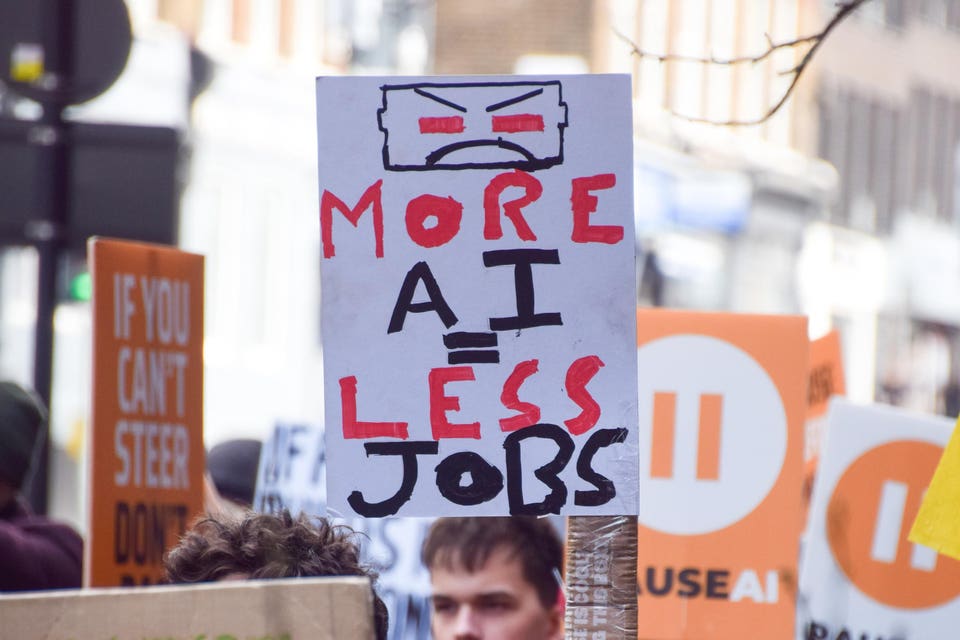
The trend mirrors the feelings of other age groups: 51% of adults aged 30-49, 47% of those aged 50-64, and 59% of those 65 and older report feeling more concerned than excited. Seventy-three percent of adults under 30 predict AI will eliminate jobs in the next two decades, a 10-point increase from 2024. This sentiment is similar to the 71% of Americans who share the same view, up from 64% in 2024.
Younger adults are also the least likely to think AI will reduce job availability, with only 63% of those aged 65 and older holding this belief, a five-point increase from 2024.
A smaller portion of Americans aged 18 to 34, 27%, believe they or someone they know has lost a job due to AI. However, the hiring of younger white-collar workers has slowed, with unemployment rates among college graduates under 29 rising from 3.7% in 2022 to 3.1% before the COVID-19 pandemic.
Research suggests that AI job losses are less frequent than portrayed in alarming headlines and predictions of a looming job-loss crisis. Factors such as remote work and employers being less inclined to train young, inexperienced workers may contribute to lower hiring among young white-collar workers.
Despite concerns about AI's impact on society and individuals, adults under 30 are the most likely to express negativity towards the technology. They largely believe AI will make connections and creativity more scarce. While Wall Street remains optimistic about AI's potential, Americans are increasingly wary of the technology's implications.
Written by urgent.news from Axios's reporting — not their text. Machine-written — may contain errors; check the original before relying on it.