Worldview | Red Sea Attacks Renew Risks to Fashion Supply Chains
This week’s round-up of global markets fashion business news also features a power struggle at India’s Tata Group, fresh funding for Nigeria’s Jumia and the impact of the Colombian earthquake on manufacturers.
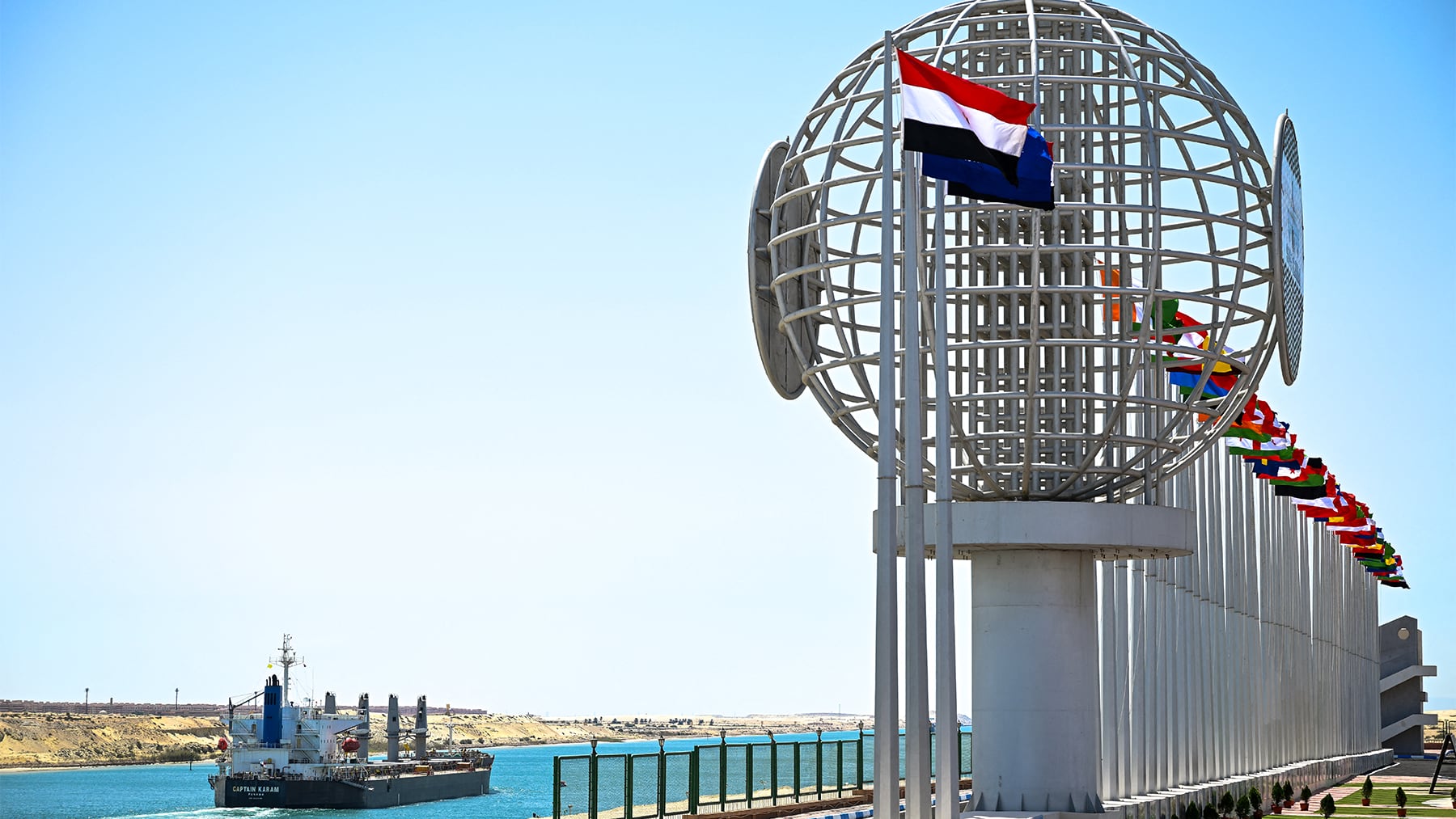
The resurgence of Houthi attacks in the Red Sea has once again heightened concerns about the safety and financial implications for global supply chains. Last week's strike on a cargo ship in the Bab el-Mandeb Strait has reignited discussions surrounding the security and affordability of navigating the Red Sea route through Egypt's Suez Canal, which is responsible for transporting a significant portion of global container traffic.
The latest incident, targeting an Egyptian-owned vessel, follows a Houthi attack on a Saudi ship in the Red Sea just last month, further exacerbating the risks to a vital trade route for Europe-to-Asia commerce.
Arsenio Dominguez, the head of the United Nations International Maritime Organization, labeled the recent Houthi strike as "particularly troublesome," warning that it could escalate tensions and pose a threat to the global supply chains that everyone relies on. A senior executive from a prominent Indian apparel exporter revealed earlier this year that if the Red Sea were to close due to these attacks, logistics costs would skyrocket, and turnaround times could potentially increase by 15-20 days.
This serves as a stark reminder of the fragility of international trade routes and the far-reaching consequences that any disruptions could have on the global economy.
Written by urgent.news from Business of Fashion's reporting — not their text. Machine-written — may contain errors; check the original before relying on it.