World Humanitarian Day: Why humanitarian settings need more research, not less
by Akihiro Seita Humanitarian crises are among the defining global health challenges of our time, yet medical research from these settings remains underrepresented. Medical journals should recognize that while conventional study designs are often not possible in humanitarian settings, this does not undermine the quality or rigor of such research, which deserves greater support and recognition. In…
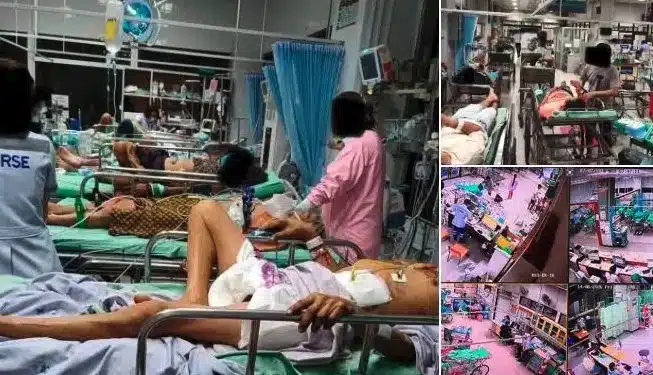
World Humanitarian Day is observed every year on 19th August to honor humanitarian workers who serve people affected by conflict, disasters, and displacement. However, medical research from these crisis settings remains underrepresented in medical journals. Despite the challenges, medical research plays a vital role in humanitarian settings by documenting suffering, understanding needs, informing clinical practice and public health policy, and contributing to health systems development.
Research is needed to ensure that the suffering and needs of crisis-affected populations are identified and addressed. An example is diabetes care, where research documenting the burden of diabetes in humanitarian settings led to its recognition as an essential component of health responses. In Gaza, UNRWA conducted a nutrition surveillance program that measured the mid-upper arm circumference of over 220,000 children despite active conflict and a collapsed health system.
This research, conducted by UNRWA’s frontline health workers, helped understand the evolving nutritional crisis and inform humanitarian responses. The success of this program depended on the commitment of health workers and the presence of researchers. Therefore, more support and recognition are needed for medical research in humanitarian settings to improve responses and save lives.
Written by urgent.news from PLOS Medicine's reporting — not their text. Machine-written — may contain errors; check the original before relying on it.