Why Won’t Britain Return Looted Gold to Ghana?
In “The African Kingdom of Gold,” Barnaby Phillips explores how British colonial forces plundered the Asante people and expertly traces the stolen artifacts’ afterlives in museum storage.
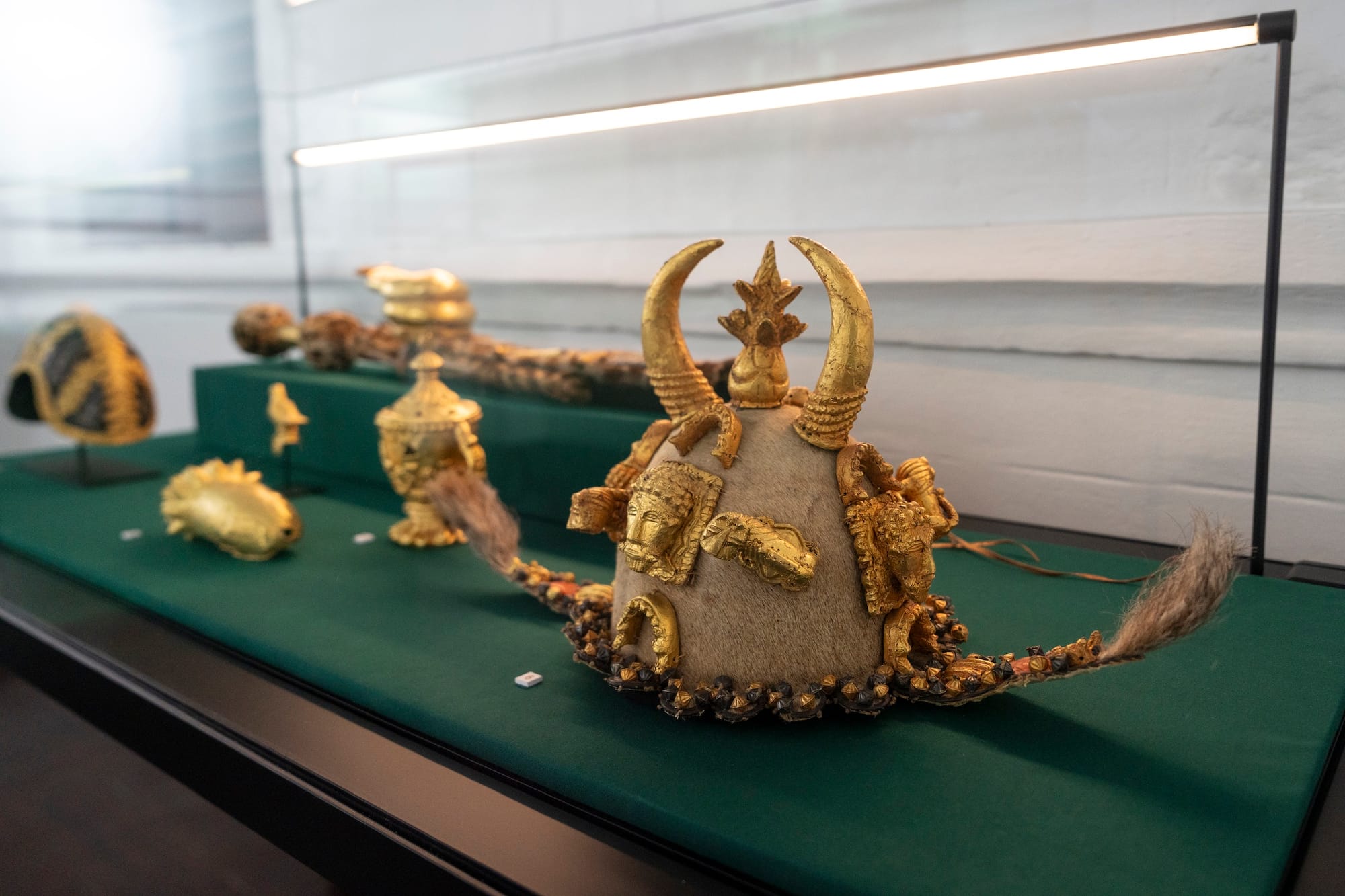
In 1888, Prempeh I was crowned Asantehene, marking the beginning of a tumultuous period for the Asante Empire. Less than a decade earlier, British forces under Sir Garnet Wolseley had invaded and brutally sacked Kumasi, the empire's capital, leaving a deep scar on the Asante people. The memory of this event, known as the "Sagrenti War," is still felt today.
Despite Prempeh's resistance, he was ultimately defeated. In 1895, another British force, led by Sir Francis Scott, returned to Kumasi and committed further atrocities, including the desecration of the royal palace and mausoleum. They demanded reparations in gold and the return of the Golden Stool, the holiest emblem of Asante identity.
Despite Prempeh's desperate pleas, he was stripped of his throne and exiled to the Seychelles, where he languished for nearly three decades. The Golden Stool, however, remained untouched and guarded, waiting for its leader's return. This harrowing tale is explored in depth by Barnaby Phillips in his forthcoming book, "The African Kingdom of Gold: Britain and the Asante Treasure."
Drawing on extensive archival research and firsthand interviews, Phillips paints a vivid picture of the brutal plunder and enduring legacy of the stolen objects.
Written by urgent.news from Hyperallergic's reporting — not their text. Machine-written — may contain errors; check the original before relying on it.