Why Trump is using India’s example for stricter voting rules in the US
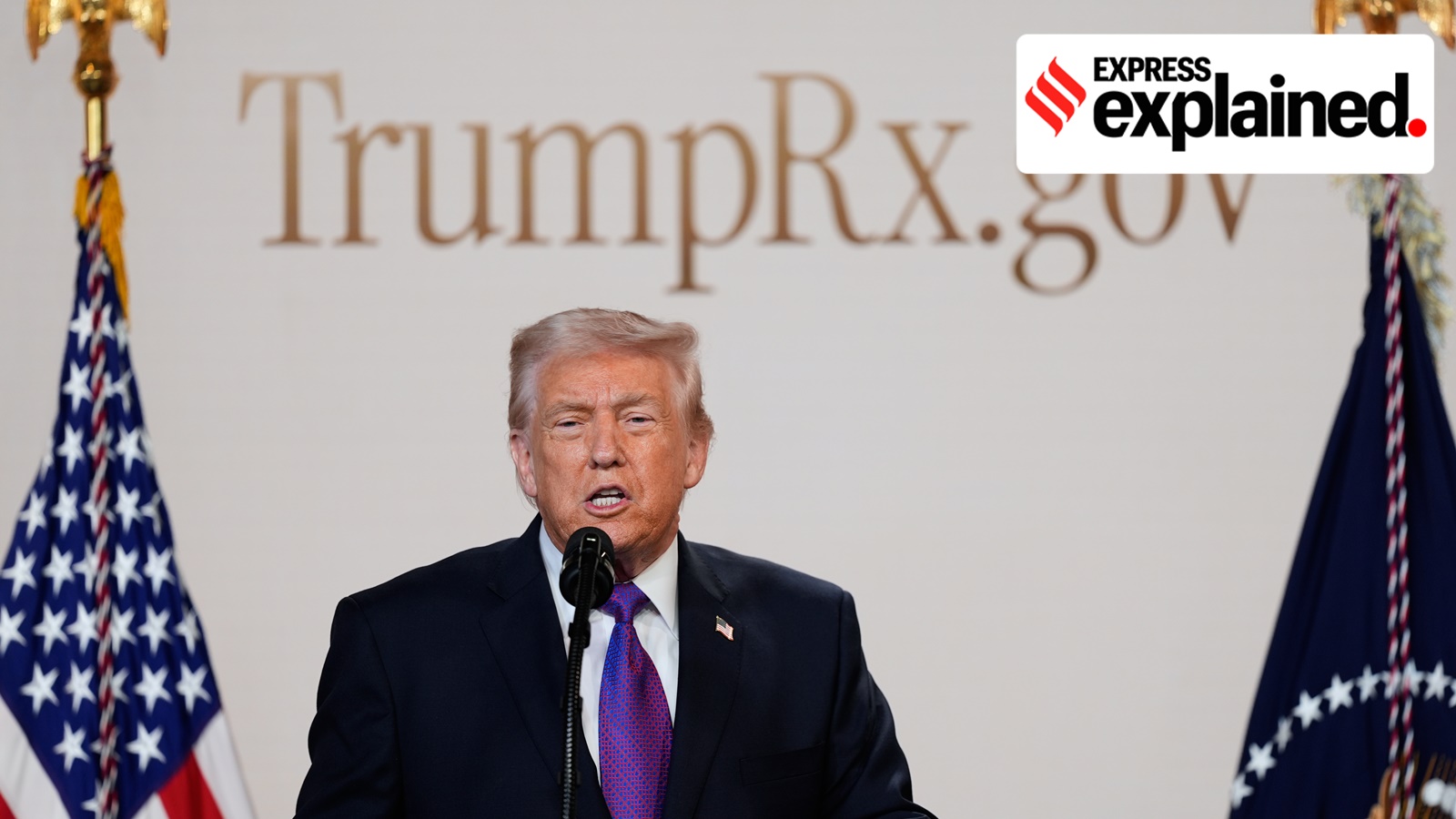
US President Donald Trump recently expressed his desire to implement stricter voting rules in the United States, drawing inspiration from India's voting system. Earlier this month, India's Chief Election Commissioner, Gyanesh Kumar, had questioned the US administration about the absence of photo ID requirements for voting. India's last election had more than 646 million voters, and only less than 1% cast their ballots through mail, with every voter required to present a valid photo ID.
Trump has previously cited India's system, along with those of countries like Brazil and Germany, as evidence to support changes in the US voting process.
For years, voter ID requirements have been a contentious issue in US politics, with Republicans generally supporting mandatory identification for voting and Democrats opposing it. The debate intensified after the 2000 presidential election, which saw George W. Bush win over Al Gore amid controversies and a Supreme Court case. In response to these issues, the Help America Vote Act (HAVA) was passed in 2002 to reform the voting process and establish minimum standards across states.
Currently, 36 US states require voters to present some form of identification at the polls, while the remaining 14 states and Washington, D.C., use alternative methods, such as checking signatures against records on file. Proponents argue that increased identification requirements can prevent in-person voter impersonation and boost public confidence in the election process.
However, opponents contend that there is little evidence of in-person voter fraud and that these laws restrict the right to vote unnecessarily, imposing burdens on voters and election officials. The issue has become more pronounced in recent years, with Republican-leaning states generally having stricter ID requirements, while blue states have more relaxed rules.
Written by urgent.news from The Indian Express's reporting — not their text. Machine-written — may contain errors; check the original before relying on it.