What Really Happens If China Wins the AI Race?
For years, the tech industry has portrayed Chinese AI development as an existential threat. The truth is not so straightforward.
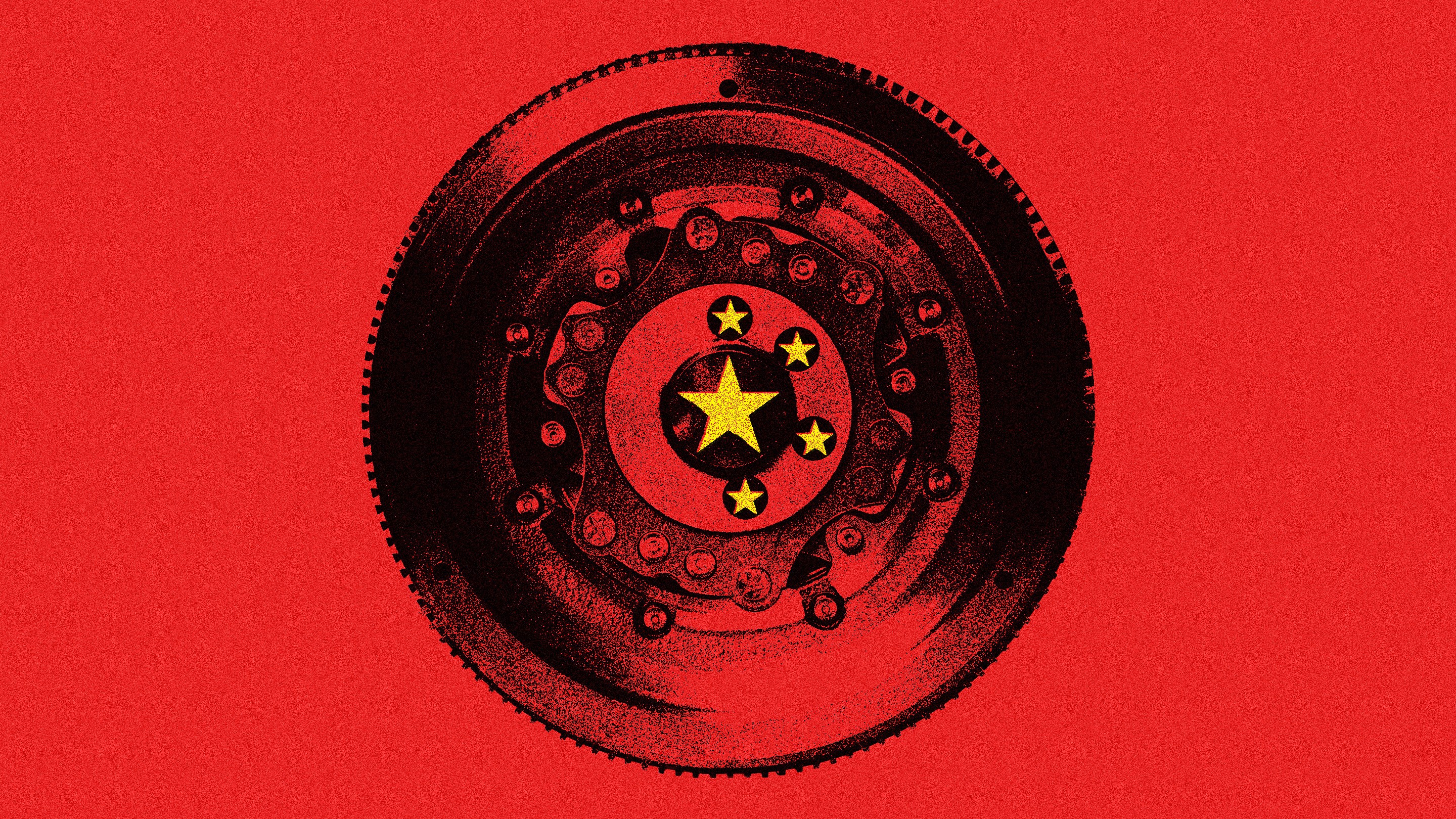
The potential consequences of China emerging victorious in the AI race have garnered significant concern from American AI and national security experts. These researchers express alarm over the possibility of AI systems capable of creating unbreakable missile defense systems, generating endless drone armies, and developing targeted bioweapons against specific ethnic groups. One white paper even posits the creation of "engineered humans" akin to Marvel's Captain America.
The escalating AI competition between the U.S. and China is also viewed as an extension of a broader struggle for global influence between democracy and authoritarianism. The Chinese government is reportedly accelerating its efforts to become the primary source of AI training data, allowing it to embed its perspectives, including those concerning Taiwan, into global chatbots.
However, fears of China wielding AI for worldwide domination may be premature, as there is no definitive evidence that AI models will reach the level of superintelligence capable of dominating other nations.
The U.S. government has demonstrated a divided stance on AI and China, easing export restrictions on advanced AI chips to China, yet remaining uncertain about the Pentagon and intelligence agencies using the most advanced AI models from companies like Anthropic. This contradictory approach raises questions about the seriousness of comparisons between the U.S.-China AI rivalry and a "hot Cold War II."
Moreover, the notion of a "decisive strategic advantage" in AI, which would enable a crushing defeat from which an opponent could not recover, is highly speculative. While AI systems can undoubtedly optimize military operations, they are unlikely to turn the tide of an entire war on their own. For instance, AI models may improve target selection in conflicts, but physical redundancies and the scale of the conflict still present significant challenges.
The idea of AI creating "super soldiers" or providing detailed guidance for military strategies against nuclear weapons also remains highly uncertain and would require extensive development and testing.
Ultimately, the potential advantages conferred by AI are unlikely to provide any single nation with the power to conquer the world. The military capabilities of AI, while transformative, are likely to be limited and require years of development before being translated into practical applications. Therefore, while the race for AI supremacy between the U.S. and China is undeniably intense, the notion of a single AI breakthrough leading to global domination appears to be speculative at best.
Written by urgent.news from The Atlantic's reporting — not their text. Machine-written — may contain errors; check the original before relying on it.