What ‘food divorce’ could mean for your relationship
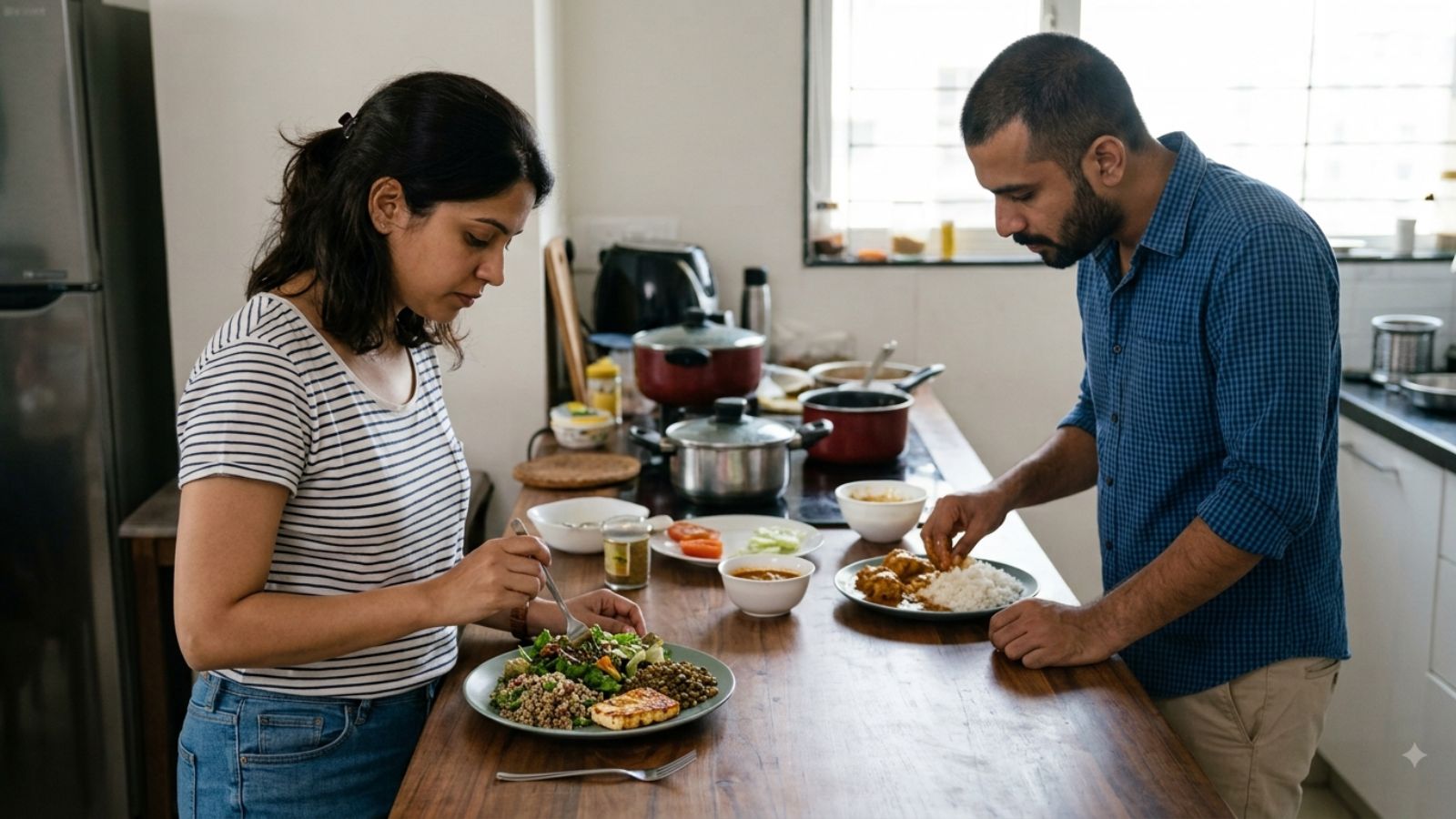
In a relationship, shared meals often serve as a foundation for connecting and bonding with one's partner. However, as individuals develop distinct dietary habits and preferences, meal times can transform into a potential source of friction. This growing trend has led to the emergence of the term "food divorce" - a situation where couples choose to eat separately due to persistent disagreements over food selections, schedules, or dietary choices.
Some partners may adhere to high-protein or weight-loss diets, while others prefer different eating styles, making it challenging to share a meal together.
The trend towards individualized eating habits is fueled by evolving attitudes towards fitness, weight management, and dietary patterns. Factors like vegetarianism, non-vegetarianism, restrictive diets, appetite changes, and busy schedules can cause partners to no longer share the same food at the same time. While eating separately may alleviate arguments around food, it raises concerns about the emotional connection cultivated through shared meals.
In India, where eating together is traditionally linked to family bonding, the increasing prevalence of food divorce highlights the need to assess whether this arrangement is beneficial or detrimental to the relationship.
Counselling psychologist Athul Raj explains that repeated food conflicts may indicate deeper emotional issues. One partner might feel their preferences are disregarded, while the other may perceive the situation as judgmental or controlling. Food is deeply intertwined with comfort, family traditions, and the sense of care that individuals have grown accustomed to.
Consequently, people can react more strongly to food-related disagreements than they realize. If the same arguements keep resurfacing, Raj suggests that there may be underlying concerns about consideration, autonomy, or resentment.
However, it is not always unhealthy to eat separately. Raj points out that couples may have different work schedules, nutritional requirements, or distinct tastes. There is no reason for every meal to turn into a negotiation. Nevertheless, he emphasizes the importance of monitoring the relationship's dynamics around this arrangement.
If separate meals result in fewer conversations, reduced time spent together, or a general decline in shared routines, the issue may no longer be about food, but rather the overall quality of the relationship.
To maintain different diets while preserving emotional connection, Raj suggests creating shared moments that do not rely on eating identical meals. These moments can include morning tea, weekend cooking sessions, occasional meals out, or a post-dinner walk. It is essential to avoid labeling a partner as "unhealthy," "undisciplined," or "careless" due to their food choices.
The objective is not to achieve dietary uniformity, but rather to respect each other's preferences, make considered decisions, and continue feeling connected despite divergent eating habits.
Written by urgent.news from The Indian Express - Lifestyle's reporting — not their text. Machine-written — may contain errors; check the original before relying on it.
This story
This is one outlet's version. Read the fullest account.
- What ‘food divorce’ could mean for your relationship indianexpress.com