Want lower energy bills? You might want to skip this popular upgrade first
It's become a must-have on many home energy wishlists. But researchers argue there are smarter ways to maximise savings before taking the plunge.
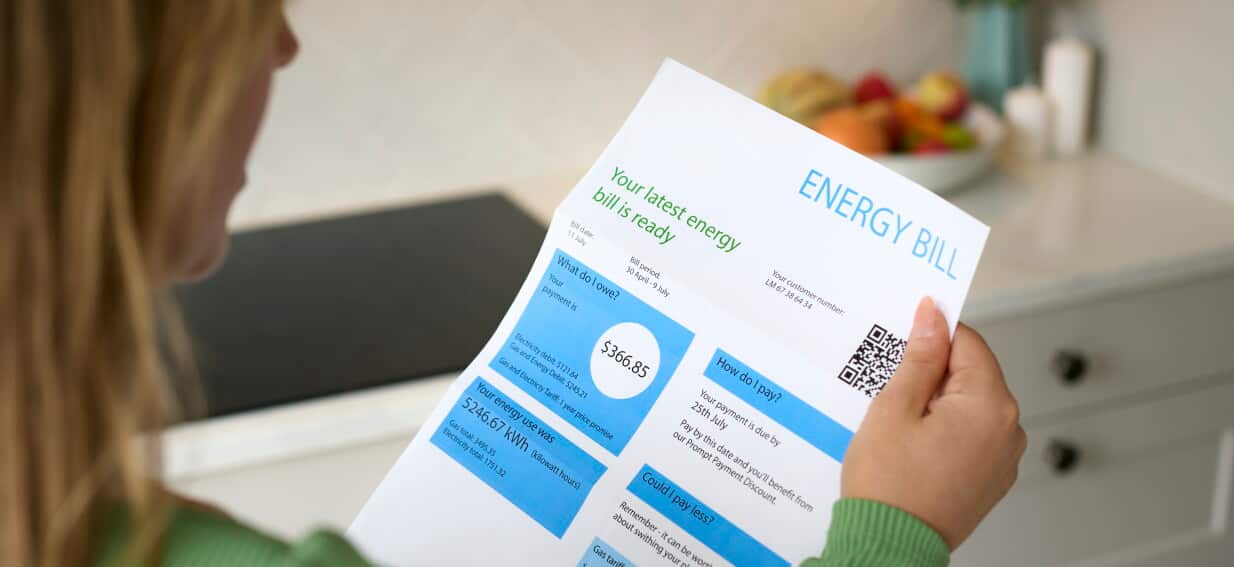
Many Australians are keen to transition to fully electric setups, but determining the optimal order of upgrades can be challenging. A study modeled three pathways for a three-bedroom house in Melbourne's western suburbs, revealing the importance of prioritizing certain modifications over others. To achieve the best results, it is advisable to first minimize energy consumption through improved insulation and sealing drafts, followed by swapping gas heating for an efficient reverse-cycle air conditioner and eventually transitioning away from home batteries.
The researchers utilized benchmark data to simulate a household with ducted gas heating, gas hot water, gas cooktops, and a petrol vehicle. This household consumes roughly 5,300 kilowatt-hours of electricity, 50 gigajoules of gas, and 1,230 liters of petrol annually, costing $2,477 for electricity, $1,494 for gas, and $2,255 for petrol, totaling $6,226 per year.
The three pathways considered involved replacing the existing setup with a 10-kilowatt ducted reverse-cycle air conditioner, a hot water heat pump, and an induction cooktop; adding a mid-range EV with a 60kWh battery; or maintaining the petrol car. When accounting for solar incentives and excluding the cost of the EV, Pathway 1a (fully electric, no battery) results in a yearly savings of approximately $4,400.
Pathway 2a (fully electric with a medium home battery) saves around $5,300 annually, and Pathway 3a (fully electric with a large home battery) yields savings of about $5,900. These figures are based on the official Victorian guide prices and advertised benchmarks as of June 2026. However, these pathways may not apply universally due to regional climatic differences and government incentives.
Written by urgent.news from SBS News's reporting — not their text. Machine-written — may contain errors; check the original before relying on it.