US stocks fall on spiking bond yields, higher oil prices
NEW YORK: Wall Street stocks retreated Monday as oil prices advanced on the lack of progress on reopening the Strait of Hormuz, while a jump in US Treasury yields discouraged equity purchases.
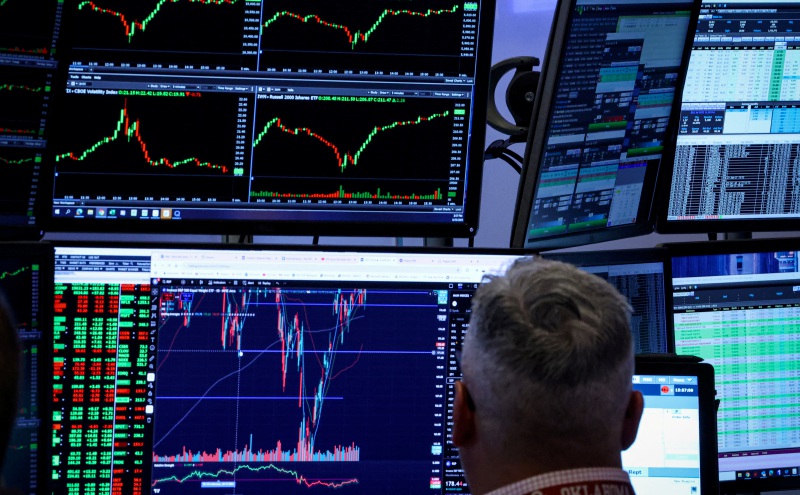
Wall Street stocks dipped on Monday due to a surge in oil prices and higher yields on US Treasury bonds. The lack of progress in reopening the Strait of Hormuz, following nearly six months of conflict between the United States and Iran, contributed to the rise in oil prices. Despite it being the day the US-Iran ceasefire was set to expire, tensions persisted.
President Donald Trump even threatened to bomb Oman if it obstructed the potential deal. The continuous diplomatic impasse between the two nations has kept crude prices elevated, according to David Morrison, an analyst at Trade Nation. The 30-year US Treasury bond yield reached 5.31 per cent, the highest since June 2007, indicating that markets anticipate inflation to remain high and that the US deficit will persist with elevated yields.
When oil prices and interest rates rise concurrently, it generally exerts a downward pressure on risk-taking, reported Briefing.com analyst Patrick O Hare. The S&P 500 fell by 0.5 per cent, alongside the other three major US indices, which all closed lower that day. Simultaneously, major European stock markets also experienced declines.
A European Central Bank report raised concerns about the potential negative effects of an AI bubble on European markets, suggesting that a correction in US AI equities could negatively impact the EU. The impact of a US AI setback might extend beyond financial markets, affecting sentiment, financing conditions, and hiring in the euro area.
Corporate earnings reports from retail giants Walmart, Home Depot, and Target are anticipated this week, offering further insight into US consumer sentiment. Recent data has indicated a weakening US labor market and reduced consumer spending. However, poor results from these retailers may still bolster the US stock market by dampening inflation concerns, easing expectations of Fed rate hikes, and consequently keeping US yields low.
Written by urgent.news from New Straits Times's reporting — not their text. Machine-written — may contain errors; check the original before relying on it.