US reservoir plan displaced 600 families; abandoned land became national park
The ambitious dam project planned for the Delaware River faced substantial backlash, resulting in its cancellation. This pivotal decision ultimately fostered the establishment of the Delaware Water Gap National Recreation Area, a refuge for the river's unspoiled segments. Factors such as environmental concerns and increasing financial burdens were significant in the cancellation, signaling a…
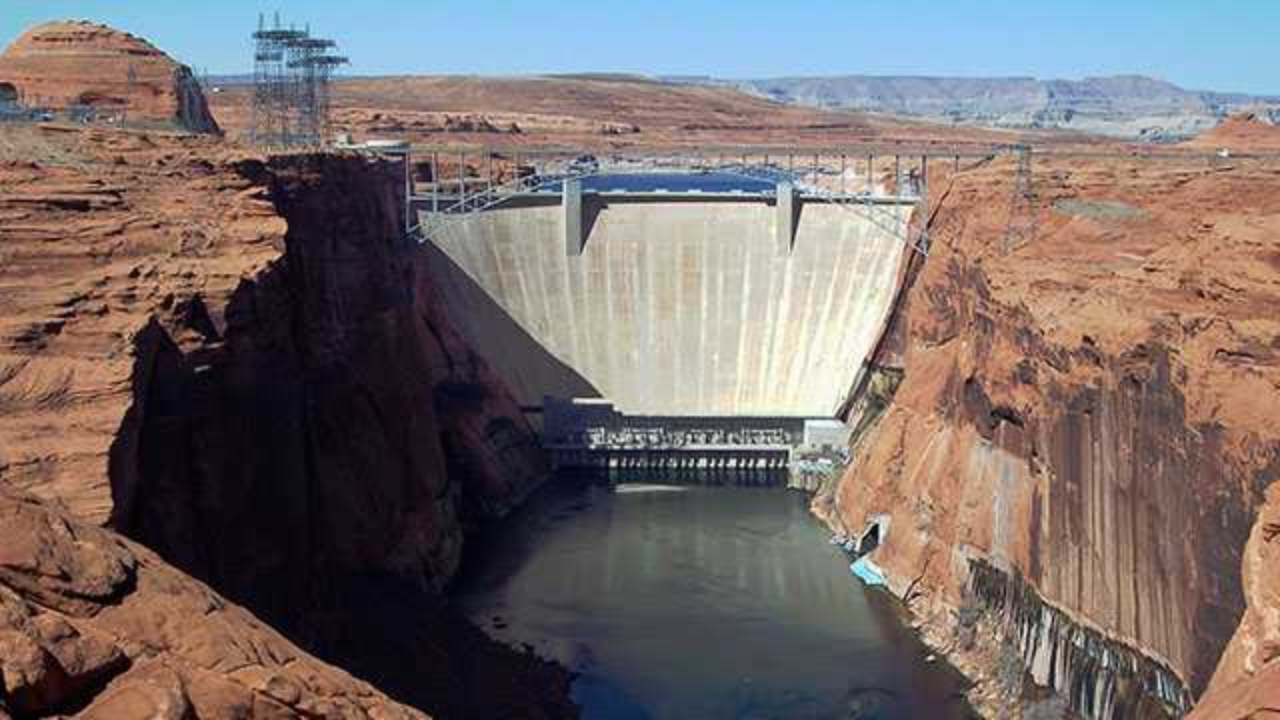
In the mid-20th century, the US government considered constructing a massive reservoir along a 40-mile stretch of the Delaware River to control floods and generate hydroelectric power. However, the ambitious project, known as the Tocks Island Dam, was eventually abandoned and the acquired land transformed into the Delaware Water Gap National Recreation Area, a sprawling federal park spanning Pennsylvania and New Jersey.
The cancellation of the Tocks Island Dam project in 1975 resulted in the displacement of around 600 families and property owners whose homes and farms were in the flooded area. The federal government compensated the affected residents through eminent domain and briefly rented the acquired properties to short-term tenants. Over time, however, opposition to the dam project grew, fueled by opposition to the Vietnam War, the civil rights movement, and the burgeoning environmental movement.
By the 1970s, the eviction process became intertwined with these broader social changes. Studies conducted during this period questioned the environmental effects of the dam, raising concerns about the conversion of a free-flowing river into a stagnant reservoir. In 1975, the Delaware River Basin Commission, composed of the governors of the basin states and a federally appointed commissioner, voted to abandon the dam project.
The federal government then transferred control of the 70,000-acre land to the National Park Service, turning the abandoned project into a protected park with a 40-mile stretch of free-flowing river. Although the original plan aimed to provide flood control, drought relief, power generation, and recreational opportunities, reviews later found that its financial and environmental costs exceeded its benefits.
Written by urgent.news from Times of India's reporting — not their text. Machine-written — may contain errors; check the original before relying on it.