US Navy destroyer with 300 sailors aboard broke down for 4 days in the Pacific
A US Navy destroyer with about 300 sailors aboard suffered a major breakdown in the Pacific Ocean last month that left it without power for four days, the Navy confirmed in a statement. The USS Benfold “reported an engineering casualty involving its generators, causing a loss of power” on July 24, Navy spokesman Commander Matthew Comer said in the statement. The breakdown meant the crew went…
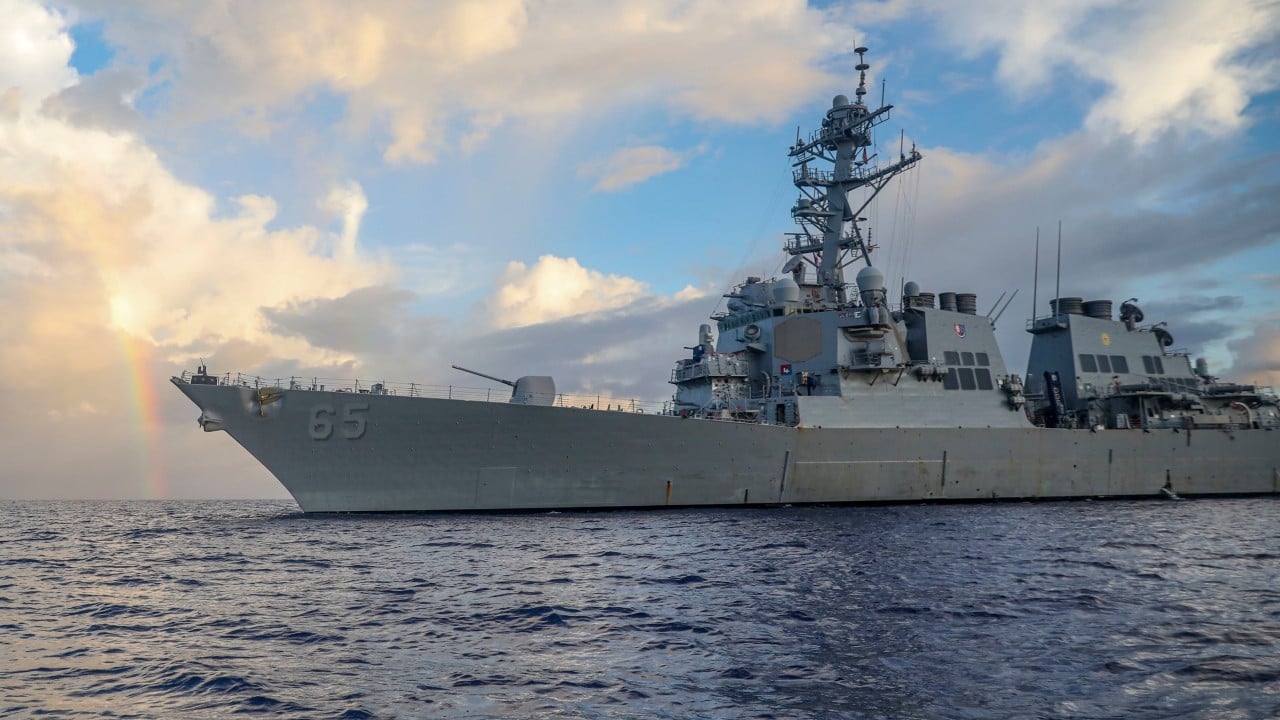
A US Navy destroyer, the USS Benfold, with around 300 sailors aboard, experienced a significant breakdown in the Pacific Ocean last month, leaving the vessel without power for four days, the Navy announced. Commander Matthew Comer, a Navy spokesman, confirmed that the issue stemmed from "an engineering casualty involving its generators," resulting in a loss of power.
During this period, the crew lacked access to essential necessities such as drinking water, meals, functioning toilets, and air conditioning. The incident, which only came to light on Friday, has sparked concerns about the living conditions of naval personnel and the military's capacity to sustain ships during conflicts. Democratic lawmakers are calling for investigations into the situation aboard the aircraft carrier USS Abraham Lincoln, which has been at sea for 250 consecutive days and has allegedly faced shortages of supplies, including food and hygiene products, as well as mental health issues among crew members.
Despite no reported injuries to the Benfold's crew, who were praised for their resilience, the ship required assistance from the USS Robert Smalls, which provided meals. The USS Benfold was eventually towed to Subic Bay, in the Philippines, for repairs and returned to service on August 8 with all systems functioning normally. Meanwhile, ships from the George Washington strike group, including the aircraft carrier USS George Washington, were seen heading towards the Middle East, potentially leaving the Pacific region without US carrier presence for an unspecified duration.
This development underscores the Trump administration's focus on deterring China, the dominant power in the region, while previously viewing Iran as the top global adversary under the Biden administration.
Written by urgent.news from South China Morning Post's reporting — not their text. Machine-written — may contain errors; check the original before relying on it.