US–Iran conflict enters new phase of political attrition
During the initial months of the Iranian-US conflict, Washington’s primary objective was to weaken Tehran’s military capabilities and strengthen deterrence. On the other hand, Iran sought to raise the costs of the conflict by targeting maritime navigation and energy infrastructure across the region, while demonstrating its ability to prolong the conflict. Today, however, as the conflict enters…
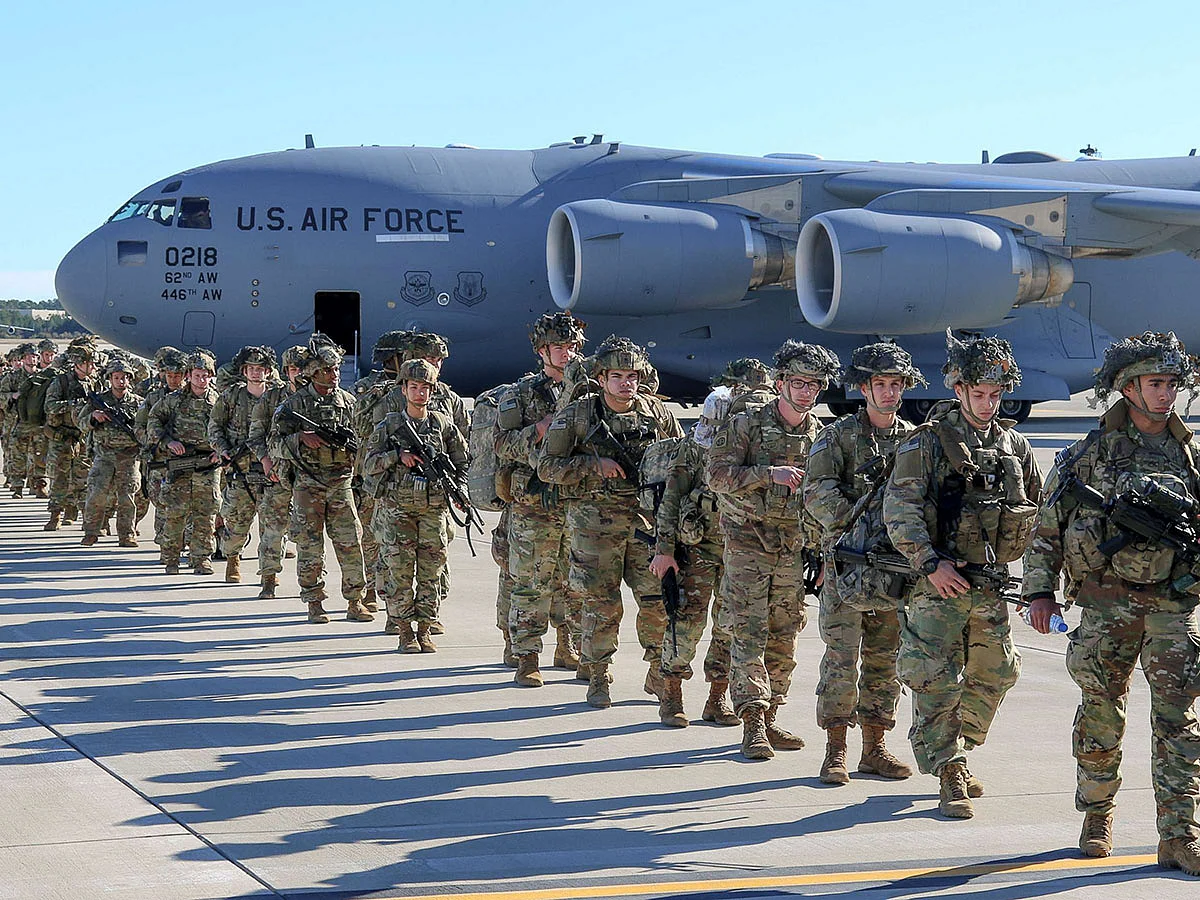
In the ongoing US-Iran conflict, the initial phase aimed to weaken Iran's military while intensifying deterrence efforts. Iran, on the other hand, sought to escalate the conflict by targeting critical infrastructure and demonstrating its capacity to prolong the confrontation. As the conflict enters its fifth month, the two adversaries face a new dilemma: the US has achieved some military objectives, but has not compelled Iran to change its regional behavior.
Meanwhile, Iran has successfully raised the global costs of the conflict, but now confronts mounting economic and military pressures that make an open-ended war increasingly costly. The focus now is not on who will win the war, but rather on determining the terms for ending it. This shift marks the beginning of the phase of political attrition, where the objective shifts from destroying the opponent's military capabilities to undermining its political will, economic resilience, diplomatic position, and negotiating leverage.
Both sides are now aiming to shape the political conditions under which future settlements will be negotiated. Despite the escalating tensions, both the US and Iran continue to signal the possibility of negotiations, with the Trump administration indicating willingness to reach a new agreement under the right conditions. Iranian officials, however, deny engaging in direct negotiations but have not ruled out indirect channels or regional mediation.
This contradiction is intentional, as both parties use military and media escalation to improve their negotiating positions rather than triggering a full-scale confrontation. As the conflict enters the political attrition phase, escalation and diplomacy are seen as complementary instruments of the same strategy. Both sides seek to maximize pressure on their opponent while preserving the option of negotiations to shape the terms of any future settlement.
The US strategy has evolved from focusing on direct military deterrence to integrating military power with economic sanctions to further isolate Iran financially, while keeping open the possibility of negotiations. Iran, meanwhile, aims to demonstrate its ability to endure such pressures and negotiate any new settlement from a relatively strong position.
Regional actors are increasingly playing a role in mediating the conflict, as neither the US nor Iran desires a full-scale confrontation. However, this prolongation of the conflict creates conditions for prolonged and unpredictable geostrategic competition, with risks of escalation, economic coercion, cyber operations, proxy activity, and military incidents.
The political attrition phase does not necessarily signify less risk, but rather a more complex and enduring form of conflict where political endurance, economic resilience, and diplomatic influence become as crucial as military deterrence.
Written by urgent.news from Gulf News's reporting — not their text. Machine-written — may contain errors; check the original before relying on it.