US heart institute outlines triglyceride symptoms and treatments
The US National Heart, Lung, and Blood Institute explains triglycerides, their health risks, and offers guidance on prevention and treatment.
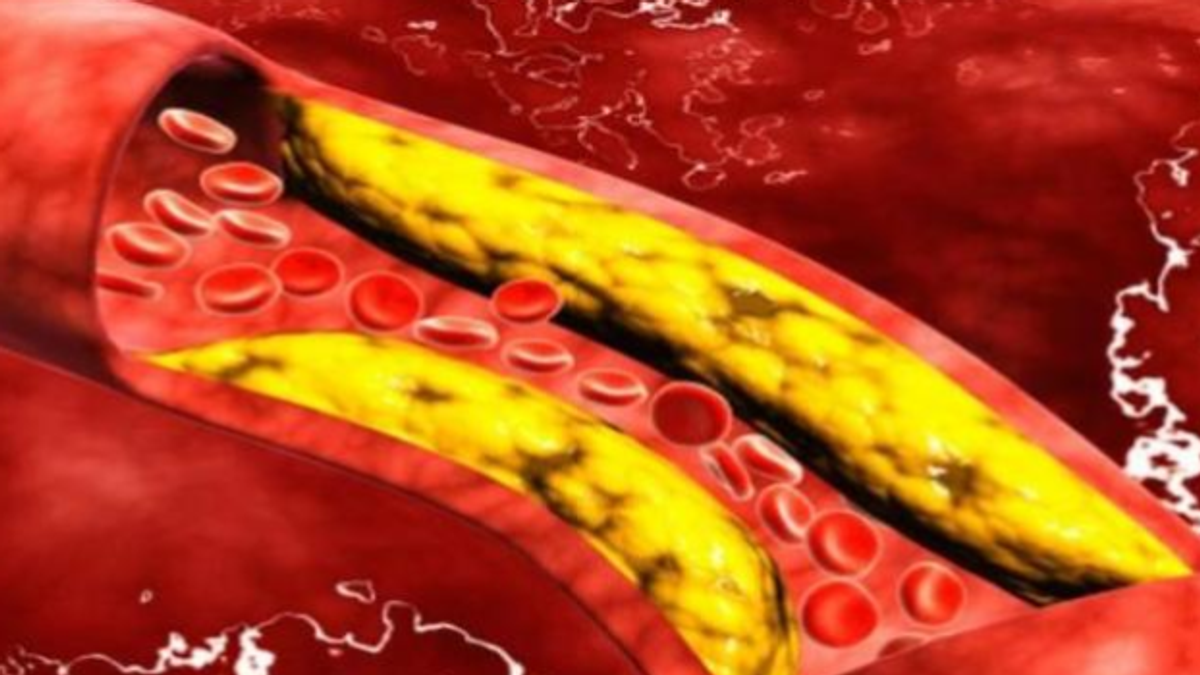
The US National Heart, Lung, and Blood Institute has issued a guide on triglycerides, their potential health risks, and recommendations for prevention and treatment. Triglycerides are a prevalent type of fat in the body, created when the body metabolizes foods containing fats, such as butter, oils, and other types of fat. The institute notes that any excess calories not immediately used by the body are converted into triglycerides and stored in fat cells for future energy use.
While a certain level of triglycerides is necessary for health, excessively high levels in the blood can elevate the risk of heart disease and stroke. Elevated triglyceride concentrations can also heighten the likelihood of cardiac complications and sudden inflammation of the pancreas, referred to as acute pancreatitis. Extremely elevated levels might lead to visual abnormalities in the blood vessels of the eyes and skin damage in the back, chest, arms, and legs. Other possible symptoms include short-term memory loss, and enlargement of the liver and spleen.
Factors contributing to elevated triglyceride levels include alcohol intake, certain medications, diabetes, thyroid disorders, some kidney and liver conditions, and specific genetic disorders. To manage triglyceride levels, individuals are advised to engage in at least 30 minutes of daily exercise, minimize food consumption, particularly fatty foods, and increase dietary fiber intake. It is also recommended to avoid sugary foods like sweets and select low glycemic index foods, such as legumes and whole grain products.
Furthermore, consuming more fish, especially those high in omega-3 fatty acids like salmon, mackerel, tuna, and trout, is suggested. Reducing alcohol consumption, losing excess body fat through healthy eating and regular exercise, quitting smoking, and managing related health conditions like diabetes or high blood pressure are also advised.
Written by urgent.news from Ajel English's reporting — not their text. Machine-written — may contain errors; check the original before relying on it.