UK puts Google AI on the flight path to fewer contrails
Trial will test whether small route and altitude tweaks can reduce aviation's warming impact
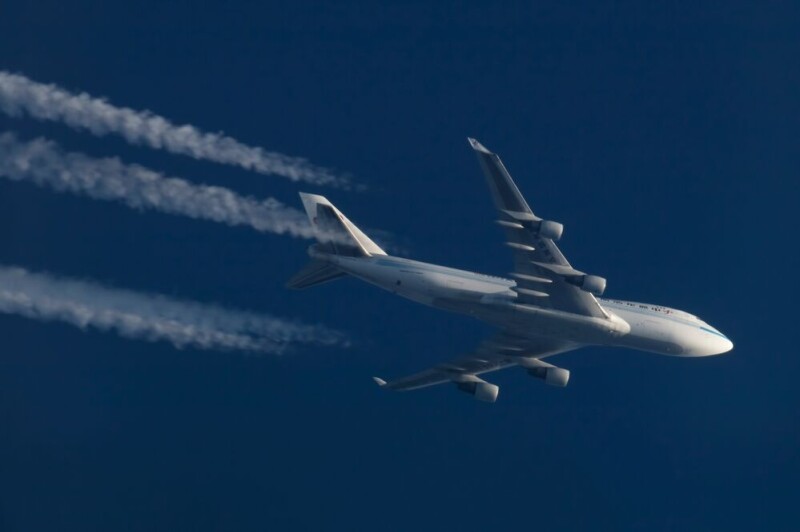
The UK government is investing £2.6 million in a 30-month trial to harness Google AI to help airlines avoid creating persistent contrails on flight paths over the North Atlantic. The Department for Transport aims to use Met Office weather forecasts combined with Google's artificial intelligence to suggest alternative routes or altitudes for participating aircraft.
Persistent contrails, the white streaks behind aircraft, form when water vapor from jet exhaust freezes into ice crystals in cold, humid air. While they typically disappear quickly, under specific atmospheric conditions, they can linger, spread out, and form clouds that trap heat, contributing to climate change. The trial will run during the winters of 2026-27 and 2027-28, with flight tests scheduled for those periods.
If AI can accurately identify contrail-friendly conditions in certain regions and atmospheric layers, aircraft can alter their paths to avoid these areas, potentially reducing the climate impact of aviation. Aviation Minister Keir Mather emphasized the partnership with Google to find practical ways to make flying cleaner. However, this approach comes with a trade-off, as changing flight paths or altitudes may increase fuel consumption and CO2 emissions.
The trial will determine if the climate benefits of avoiding persistent contrails outweigh the additional fuel burned. The government is also investing £219 million in sustainable aviation fuel production and another £43 million in technologies like electric and hydrogen-powered aircraft. This experiment seeks a greener flight path that may only require adjusting a few thousand feet in altitude.
Written by urgent.news from The Register's reporting — not their text. Machine-written — may contain errors; check the original before relying on it.
This story
This is one outlet's version. Read the fullest account.