U.S. tourist killed by lightning strike while hiking Sicily’s Mount Etna
The 29-year-old man from Kansas was found and transported to hospital by helicopter crew after being struck on Sunday in a prohibited area on Etna's eastern slope.
An American tourist from Kansas tragically lost his life after being struck by lightning while hiking Mount Etna in Sicily, according to Italian firefighters. The 29-year-old man was found and airlifted to a hospital on Sunday evening, but medical staff pronounced him dead shortly after. His name has not been released as next-of-kin are notified.
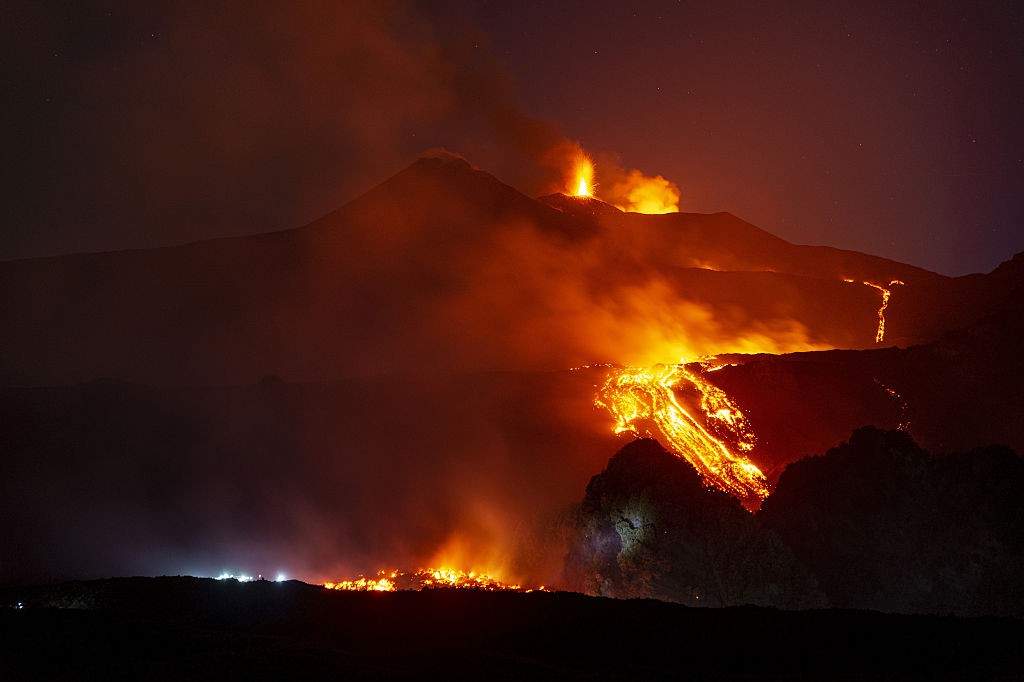
The incident occurred in the Rocca Capra area on Mount Etna’s eastern slope at an elevation of approximately 4,600 feet. Authorities have recently closed certain sections of the volcano’s slope due to increased volcanic activity, which also led to the closure of Catania Airport for most of last week. Air traffic was rerouted to other airports, and Catania Airport resumed operations on Saturday after the volcanic alert was lowered.
Lightning strikes have claimed more lives on Mount Etna in recent years than volcanic eruptions themselves. The last fatalities linked to volcanic activity occurred in 1987. In June, Mount Etna released a cloud of smoke and ash up to several kilometers into the sky, but officials assured the public that the activity did not pose a threat.
The ongoing eruption, the 14th in recent months, was triggered by the collapse of the southeast crater, leading to hot lava flows. This area was subsequently restricted to tourists as a precaution.
In February, local officials urged tourists to avoid visiting Mount Etna due to the frequent eruptions. Many visitors flocked to the Sicilian slope to witness the lava flows emerging from the snow-covered mountain. Sicily’s head of regional civil protection, Salvo Cocina, shared on Facebook how the narrow roads leading to the volcano were overwhelmed with parked cars and traffic congestion, making it difficult for emergency services to reach the site promptly.
Written by urgent.news from Global News's reporting — not their text. Machine-written — may contain errors; check the original before relying on it.