Trichotillomania: Boredom and tiredness outpace negative emotions as predictors of hair pulling
People with hair-pulling disorder often blame negative emotions for their symptoms. However, a new real-time tracking study reveals that boredom and tiredness may actually be more consistent predictors of future hair-pulling episodes than emotional distress.
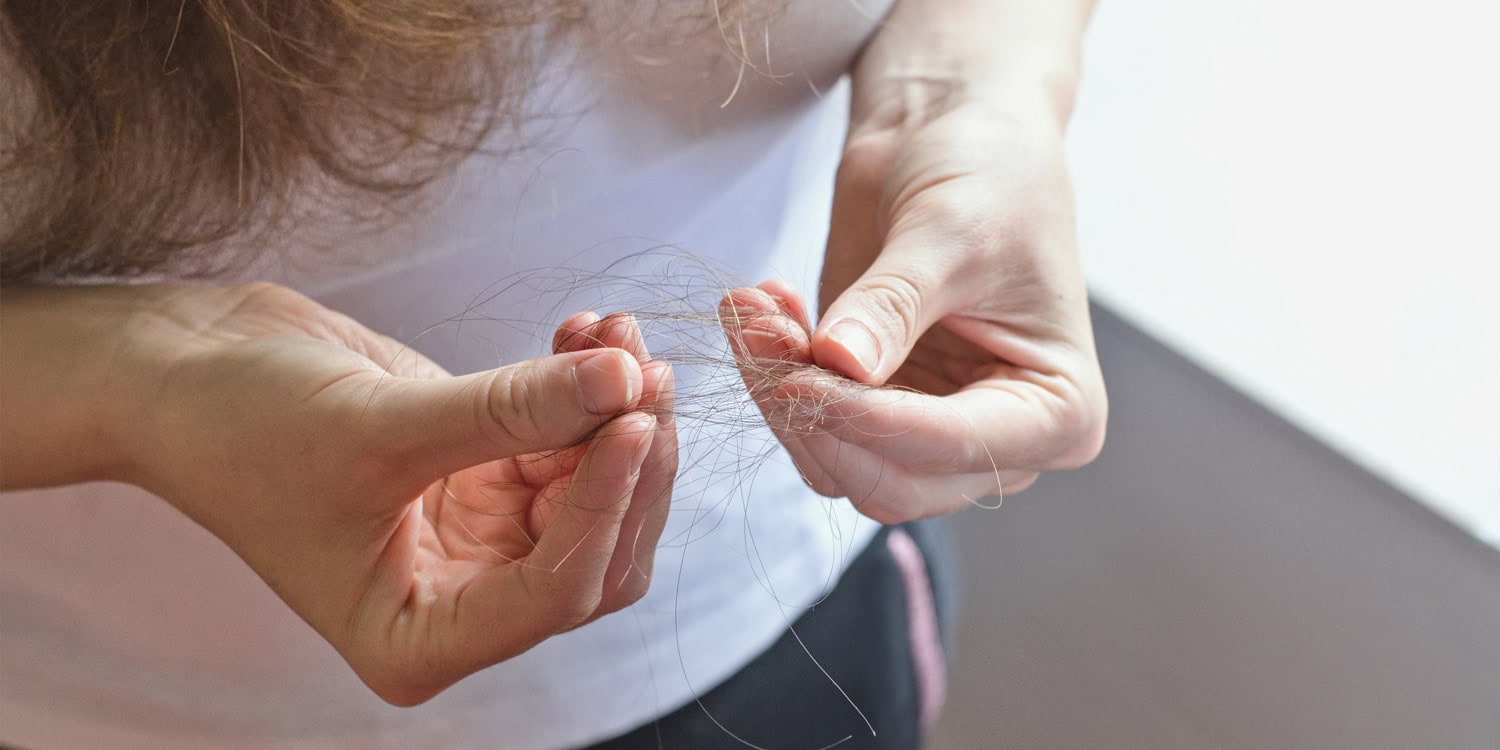
Research published in Comprehensive Psychiatry suggests that boredom and tiredness may be more reliable predictors of hair pulling in those with trichotillomania than negative emotions. Historically, clinical models viewed hair pulling as a maladaptive coping mechanism to regulate negative emotions like tension, anxiety, or sadness.
However, this study challenges that notion, finding that negative emotions do not reliably predict future pulling episodes. To gain a more accurate picture, researchers used real-time tracking, asking participants to rate their urge to pull hair and current emotional states on their smartphones throughout the day. Among the emotional states assessed, only boredom and tiredness were statistically significant predictors of future hair pulling.
The urge to pull itself was also influenced by tiredness, with increased tiredness predicting stronger future urges. Negative emotions, boredom, and rumination were all associated with a stronger current urge to pull hair, but did not reliably predict later surges in the urge. The study suggests that repetitive behaviors like hair pulling may serve to regulate a person's level of stimulation, acting as a way to counteract under-arousal rather than simply soothing emotional distress.
Written by urgent.news from PsyPost's reporting — not their text. Machine-written — may contain errors; check the original before relying on it.