This wearable patch will buzz your arm when it detects poisons, and it could one day save your life
A new skin patch can warn you of environmental toxins using a clever system of haptic vibrations.
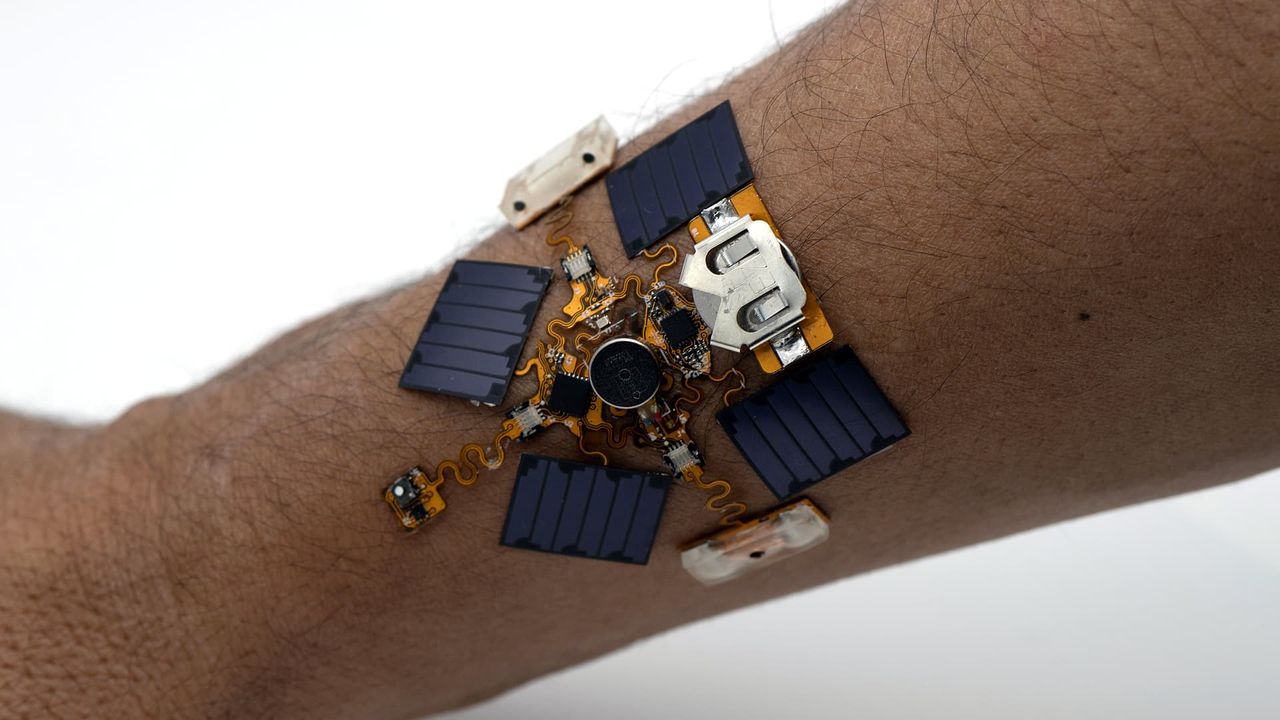
A team of researchers has developed a wearable patch capable of detecting toxic substances and alerting the wearer with a unique vibration pattern. This innovation, recently published in the journal Device, was created by researchers at North Carolina State University. The patch's haptic feedback system can differentiate between various poisons, allowing the wearer to identify the specific toxin without delay or additional testing.
Unlike other wearables that send alerts to smartphones, this patch delivers immediate notifications, even in scenarios where a device is unavailable or impractical to use. The patch can monitor a range of environmental contaminants, including heavy metals, particulate matter, temperature variations, humidity levels, volatile organic compounds, and nitrogen oxide gases.
It is also rechargeable via a solar-powered battery, ensuring continuous operation during use. The modularity of the patch enables users to customize it according to their specific needs, adding or removing sensors that detect the most relevant hazards. This feature makes the device highly adaptable to various applications. Furthermore, the researchers have even developed a version of the patch for use on robots, utilizing an e-skin made from piezoelectric material.
When the patch detects toxins, it sends an electrical signal to the robot, warning it of potential danger. This development in wearable technology goes beyond simple health monitoring, potentially saving lives in high-risk environments.
Written by urgent.news from TechRadar's reporting — not their text. Machine-written — may contain errors; check the original before relying on it.