‘The success of gravel revolves around the success of the 99%, not the pros’: Gravel is investing in livestreams but does it actually need fandom?
There’s a fanbase, yes, but it’s often the same people pinning on a number
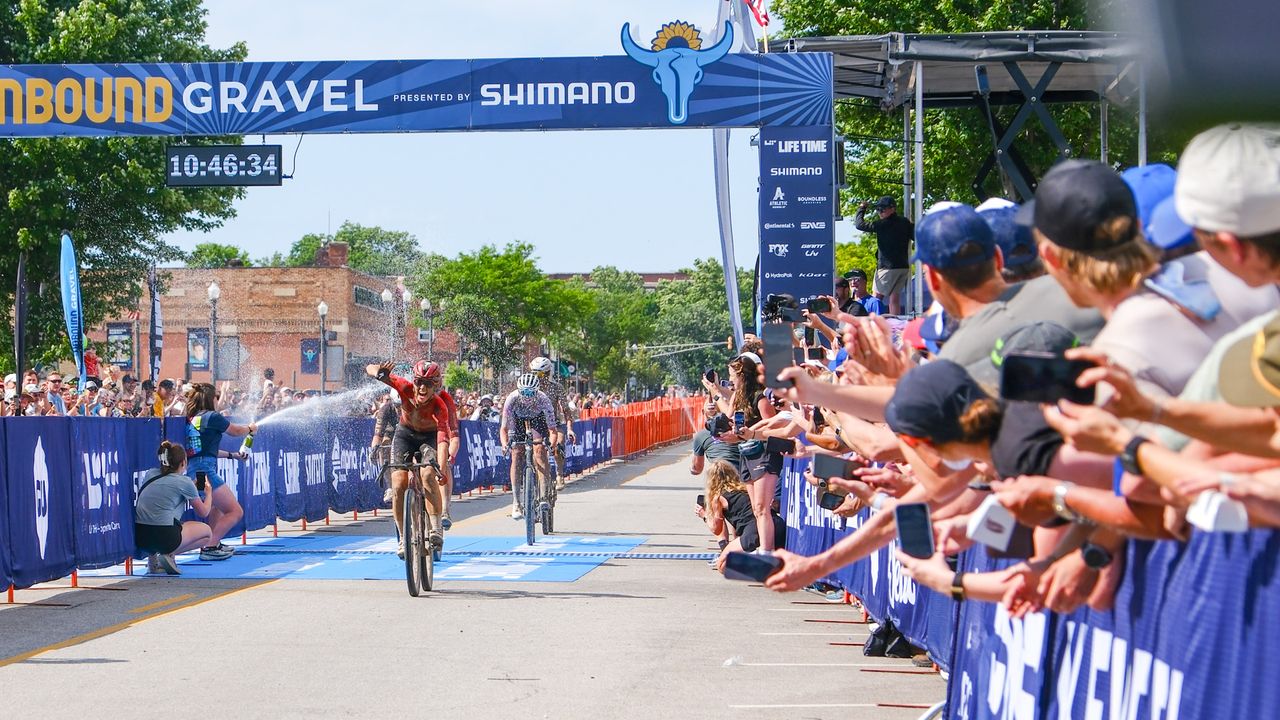
Gravel cycling, a burgeoning discipline in the world of professional sports, has been steadily growing, with a unique twist in its success formula. Unlike traditional cycling events, the focus for gravel racing lies not in attracting spectators, but in engaging the "99%" who participate in the sport. This includes not only the athletes but also volunteers, brand representatives, and those imagining themselves on the same routes in the future.
The Gravel Worlds, an unofficial but significant event in Lincoln, Nebraska, serves as a testament to this shift in focus. This race, which spans approximately 150 miles of gravel, will livestream its elite races, ensuring spectators can follow the action from start to finish. Notably, the cameras continue to roll even after the last amateur crosses the finish line, highlighting the event's commitment to its participant base.
Lead Promoter Jason Strohbehn emphasizes that the health of gravel cycling will be measured by the "99%", not the pros. This is evident in the race's financial success. In 2025, the Life Time Grand Prix generated 3.6 million YouTube views, attracted 145,000 event attendees, and saw 25.2 million social media impressions. Livestreams of other events like Unbound, Leadville, and Big Sugar averaged around 200,000 views in their first 96 hours online, with Unbound alone attracting over 337,000 views.
The appeal of these livestreams is not limited to the professional side of gravel. Viewers are primarily drawn in by their interest in the riders and their personalities, rather than team allegiances. This suggests that gravel's audience is not just passive viewers, but active participants who are deeply engaged with the sport and its community.
Julie Dunkle, a 59-year-old from California, is a prime example of this engagement. She initially got into gravel through racing and subsequently consumed more content to understand the scene better. Her interest was not sparked by watching content, but through participation. Similarly, Tucker White, a 34-year-old Oregonian, was introduced to gravel by his father and later found the gear side of the sport intriguing.
These individuals showcase the diverse ways in which gravel's audience engages with the discipline. While the numbers may not match those of the Tour de France, the substantial interest and engagement from participants and enthusiasts suggest that gravel's success lies in its unique appeal to those who are both active and passive participants in the sport.
Written by urgent.news from Cycling Weekly's reporting — not their text. Machine-written — may contain errors; check the original before relying on it.