The role of the astronaut is in flux
When the four astronauts on board NASA’s Artemis II swung around the moon earlier this year, they set a new record for the farthest humans have ever ventured from Earth, surpassing the distance set by Apollo 13 in 1972 by some 4,000 miles. While no space mission can live up to the historic touchdown of…
The Artemis II mission, involving four astronauts, recently broke a record by orbiting the moon at a distance farther than any previous human spaceflight. This achievement surpassed the distance set by Apollo 13 in 1972 by nearly 4,000 miles. While the Apollo 11 moon landing captured the attention of 20% of the world's population, Artemis II still drew massive public interest, with tens of millions of viewers tuning in and sparking an online phenomenon dubbed "moon joy."
The Artemis program plans to establish a human base on the moon's south pole during the 2030s, involving collaboration between the US and its international and commercial partners. Meanwhile, China and Russia have also expressed ambitions to build their own crewed lunar bases in the same region. Private companies like Blue Origin and SpaceX aim to capitalize on the growing extraterrestrial tourism market by launching civilian astronauts on private missions, with the ultimate goal of taking them to the moon or even Mars.
However, questions arise about the ultimate purpose of human space exploration, especially considering its high cost and risks. Some argue that we venture into space for geopolitical prestige, manifest destiny, spiritual fulfillment, scientific curiosity, and business opportunities. With Artemis II, a surge of new books suggests that the driving force behind human spaceflight is rooted in a basic evolutionary instinct to expand and adapt, an innate human desire to explore and discover.
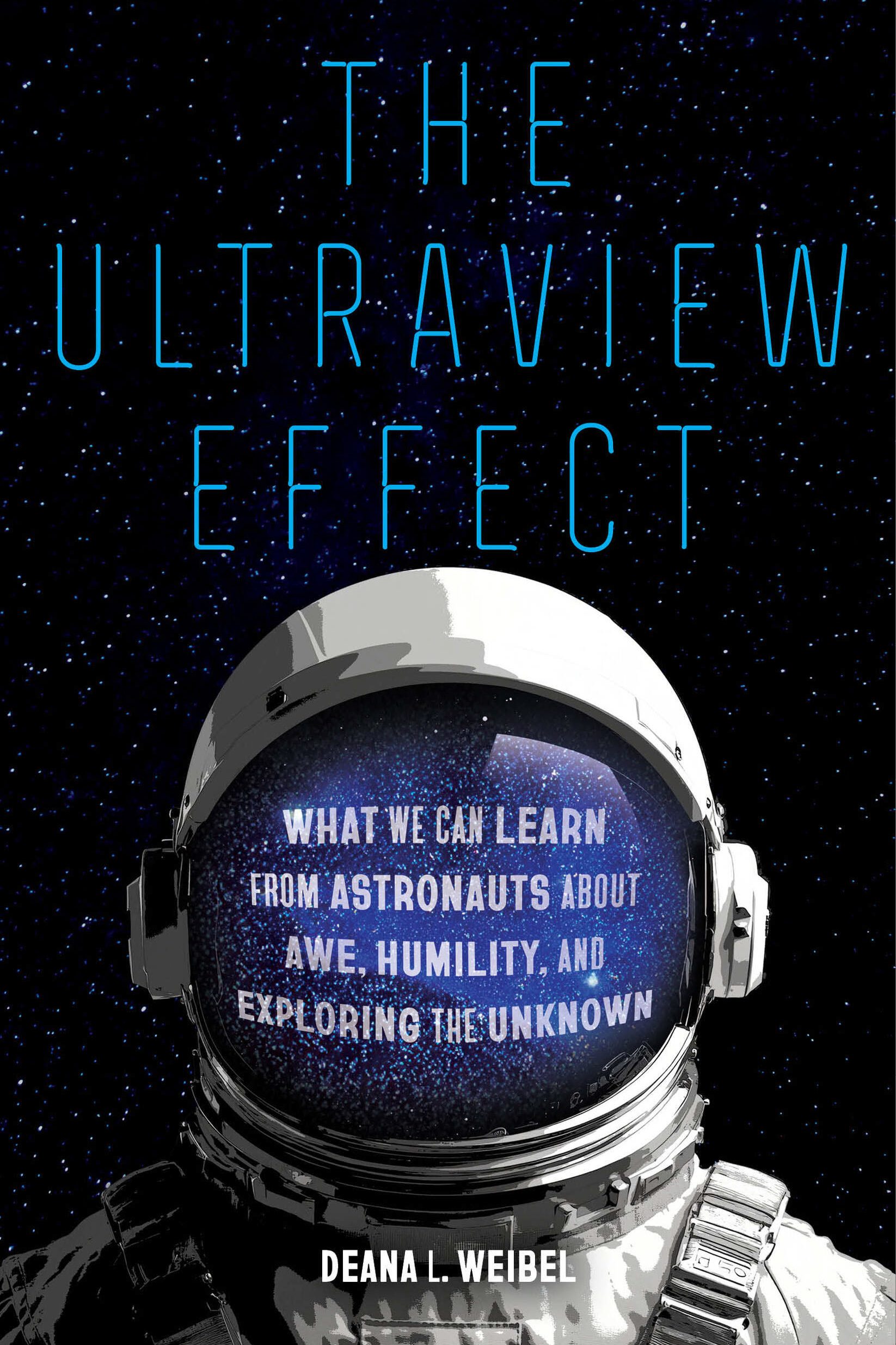
Deana L. Weibel, a space anthropologist, posits that human space exploration is an extension of our ancient compulsion to undertake perilous pilgrimages in search of revelations about our universe. Eiman Jahangir, who experienced a Blue Origin spaceflight, shares this sentiment in his memoir "A Heart for Space." Former NASA astronaut Leroy Chiao, in his memoir "Dinner with an Astronaut," co-written with Victoria Bruce, concludes that humans "need to know what's on the other side," emphasizing the innate human drive to explore.
Written by urgent.news from MIT Technology Review's reporting — not their text. Machine-written — may contain errors; check the original before relying on it.