The Rhine and Danube Are Becoming New Bottlenecks in the European Economy
The drop in water levels on Europe’s main waterways has shown that recurring droughts are not a one-off anomaly but a new economic norm. In the summer of 2026, Europe’s two main waterways, the Rhine and the Danube, dropped to record-low levels, with the crisis becoming so extensive that it was visible from space. The economy felt the effects first and foremost, as cargo vessels were forced to…
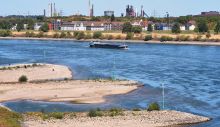
Europe's Rhine and Danube rivers are experiencing record-low water levels due to recurring droughts, posing a significant economic threat. In summer 2026, these major waterways saw unprecedented drop-offs, visible even from space. The Rhine and Danube are crucial for European industry, with many businesses reliant on river transport.
Low water levels have forced cargo vessels to carry reduced loads, with some areas cutting shipments by up to 80%. This has resulted in soaring shipping costs and potential disruptions to industrial activity, similar to the impact of maritime bottlenecks like the Suez or Hormuz straits. Notably, Serbia experienced only a quarter of its planned fuel imports due to the Danube's low levels.
The situation is particularly critical on the Rhine, where water levels fell to around 40 centimeters near Kaub, below the threshold for economically viable barge shipping. This directly impacts cargo transportation between seaports and industrial areas. The Danube's low water levels have also affected Serbia, Serbia, Romania, and caused disruptions in agriculture and energy supplies, highlighting the extensive impact of this inland waterway crisis.
Written by urgent.news from UATV English's reporting — not their text. Machine-written — may contain errors; check the original before relying on it.