The Promise and Peril of Gene Editing
(MedPage Today) -- Few things evoke a greater sense of desperation than a parent seeking an experimental treatment for their child. That desperation can make even extraordinary risks seem worth taking. This dynamic has come into stark relief after...
In recent years, gene-editing therapies have gained attention for their potential to treat various diseases. However, they also pose significant risks, as demonstrated by the tragic death of 6-year-old Mei from complications related to an experimental therapy in China. This case highlights the delicate balance between the promise and peril of gene editing.
Gene editing therapies involve modifying genes in non-reproductive cells to treat diseases. They have shown promise, with exagamglogene autotemcel (Casgevy) becoming the first gene-editing therapy approved by the FDA in 2023 for sickle cell disease. Baby KJ, who received a bespoke base editing therapy for a rare metabolic disease, has thrived after receiving the treatment.
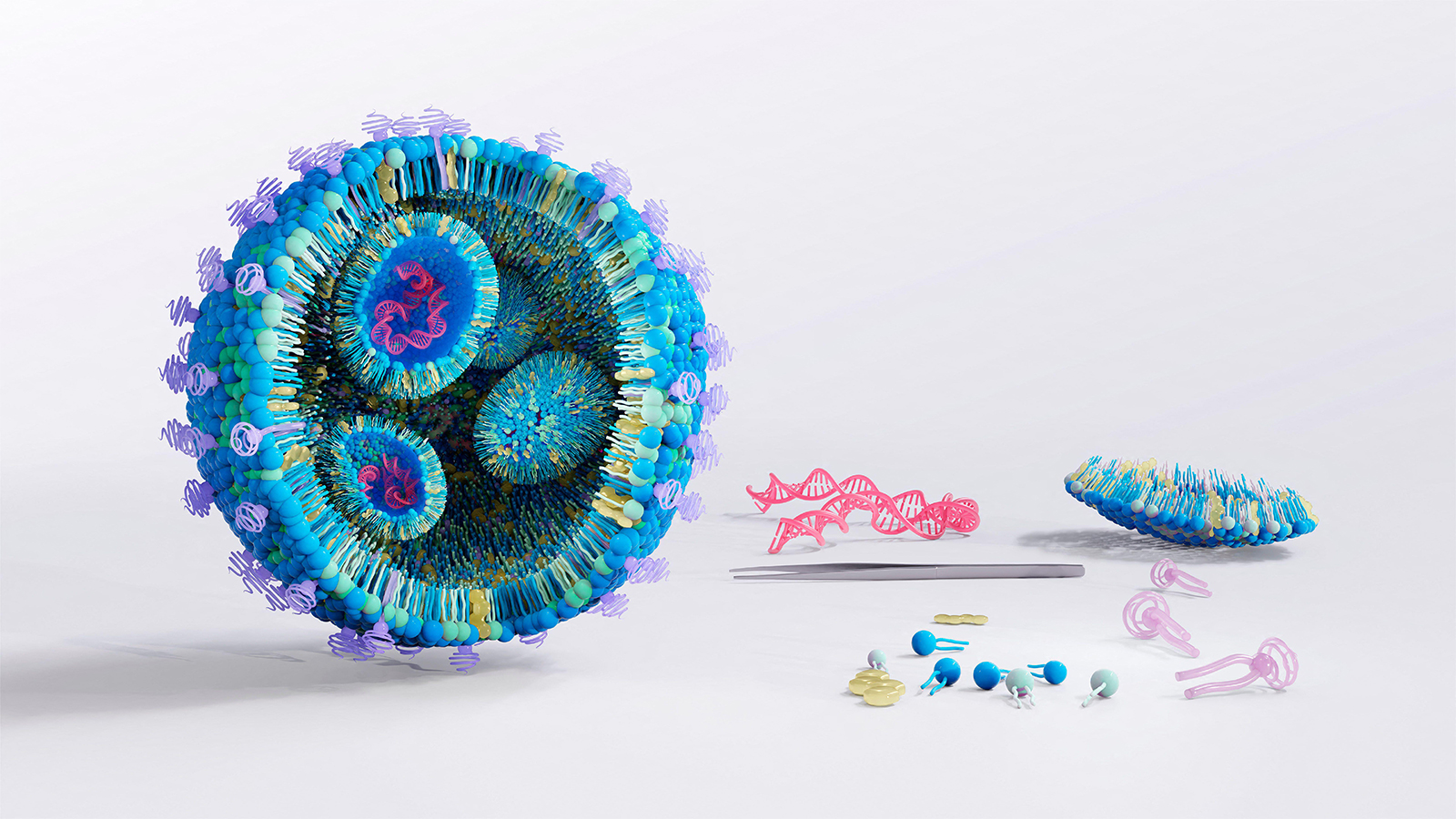
Despite the potential benefits, somatic gene-editing treatments are not without risks. CRISPR/Cas9-based gene editing can produce unintended edits and chromosomal deletions and rearrangements. Additionally, the delivery methods used, such as viral vectors or lipid nanoparticles, can provoke immune responses and lead to adverse effects.
In Mei's case, she died from thrombotic microangiopathy following high doses of adeno-associated virus gene-editing therapy. Another case in a Chinese clinical trial went unreported for nearly a year, where the child with Duchenne muscular dystrophy died from respiratory distress due to a severe immune response to the treatment.
The decision to pursue gene editing therapies is a complex one, particularly for parents desperate to help their children. While gene editing therapies offer hope, the risks involved must be carefully considered. Francis Moore, MD, emphasized the importance of ethics in these situations, stating that the potential benefit must be weighed against the risks. Transparency about the known risks, limitations of knowledge, and alternatives to experimental treatment is crucial for informed consent.
In the case of Mei, her parents were not adequately informed about the potential risks, including the possibility of death. The researchers failed to disclose troubling findings from studies in non-human primates prior to Mei's treatment. While it is unclear whether this information would have tempered the parents' enthusiasm, they were entitled to this information.
The success stories, such as Baby KJ, demonstrate the potential of highly individualized therapeutic development. However, scaling this model is essential. Some argue that the U.S. should consider China's system, which allows experimental treatments to move to clinical trials without the same national regulatory review required for conventional clinical trials.
This flexibility has accelerated translational research and encouraged physicians to participate in China's research apparatus. However, recent deaths remind us that speed and flexibility must be matched by adequate disclosure, transparency, and appropriate safeguards for responsible innovation.
Written by urgent.news from MedPage Today's reporting — not their text. Machine-written — may contain errors; check the original before relying on it.