The most important AI habit I have is making one phone call a day
As AI gets better at recording, summarizing, and analyzing every conversation, I've started protecting the one skill I never want to outsource: listening.

Every day, I make a point to engage in a traditional phone call, instead of relying on video conferences or AI-generated transcripts. After the call, I must rely on my memory to recap the discussion, identify the key points, and summarize it for my AI assistants. In doing so, I force myself to perform the heavy lifting initially.
The technology follows suit. This simple practice stems from my contemplation on the dichotomy we currently face with AI. Opinions range from AI as the successor to the Industrial Revolution, unlocking unprecedented productivity and ushering in novel industries, to AI being a threat that will eliminate jobs and leave us isolated.
However, the reality, much like in most situations, lies somewhere in the middle. While reading the novel "Yesteryear," I found myself pondering this concept. The story follows a character who transitions from a modern social-media influencer to a woman living in 1855. The novel highlights our propensity for taking extreme stances, such as either fully dedicating oneself to family or pursuing a relentless career.
As the CEO of a business and a mother of seven, I know firsthand that this dichotomy does not have to be the case. My daughter, Sofia, who inspired me to read the book, shared a similar sentiment. Unlike previous generations that aspired to internships at prestigious firms, her generation is exploring more practical, autonomy-driven pursuits.
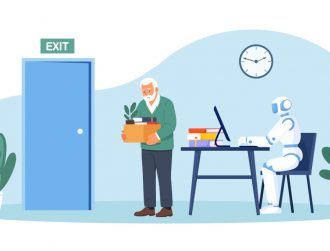
When Fortune published two opposing essays on AI from my team, I became more introspective about AI's potential impact on me, specifically my listening skills. In the past, my greatest asset was my ability to listen deeply and synthesize information in real-time. However, with AI's ability to transcribe, analyze, and critique conversations, the temptation exists to disengage, assuming the machine is handling the task.
To combat this, I designate one day a week for analog communication. I make a non-recorded phone call and then reconstruct the conversation from memory before seeking AI assistance. This exercise helps me maintain my cognitive abilities and strengthens my listening skills. In essence, the most valuable aspect of listening is not just transcribing but sensing hesitation, recognizing unspoken thoughts, and connecting ideas before others.
By resisting the urge to outsource our thinking to AI, we can ensure that human intuition and discernment remain integral to the conversation.
Written by urgent.news from Fortune's reporting — not their text. Machine-written — may contain errors; check the original before relying on it.