The growing debate over big money influence in American politics
Voters in Alaska are considering a ballot measure that aims to reduce the influence of big-money donors in state and local elections. It's part of a wider conversation about money in politics, sparked by a Supreme Court decision that struck down limits on how much parties can spend in coordination with their candidates in national elections. Geoff Bennett discussed more with Daniel Weiner.
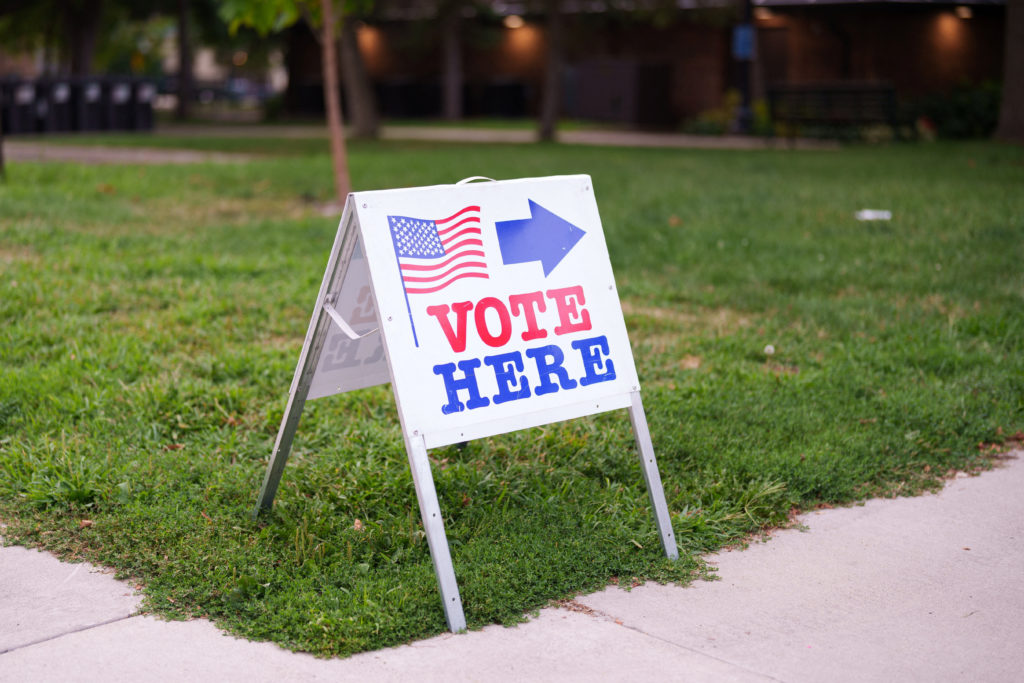
In a bid to curb the sway of significant financial contributors in Alaska's political arena, voters are deliberating on a proposed ballot measure. This development is part of a broader nationwide discourse on campaign finance, ignited by a landmark Supreme Court ruling that abolished restrictions on party spending linked to their candidates in national elections.
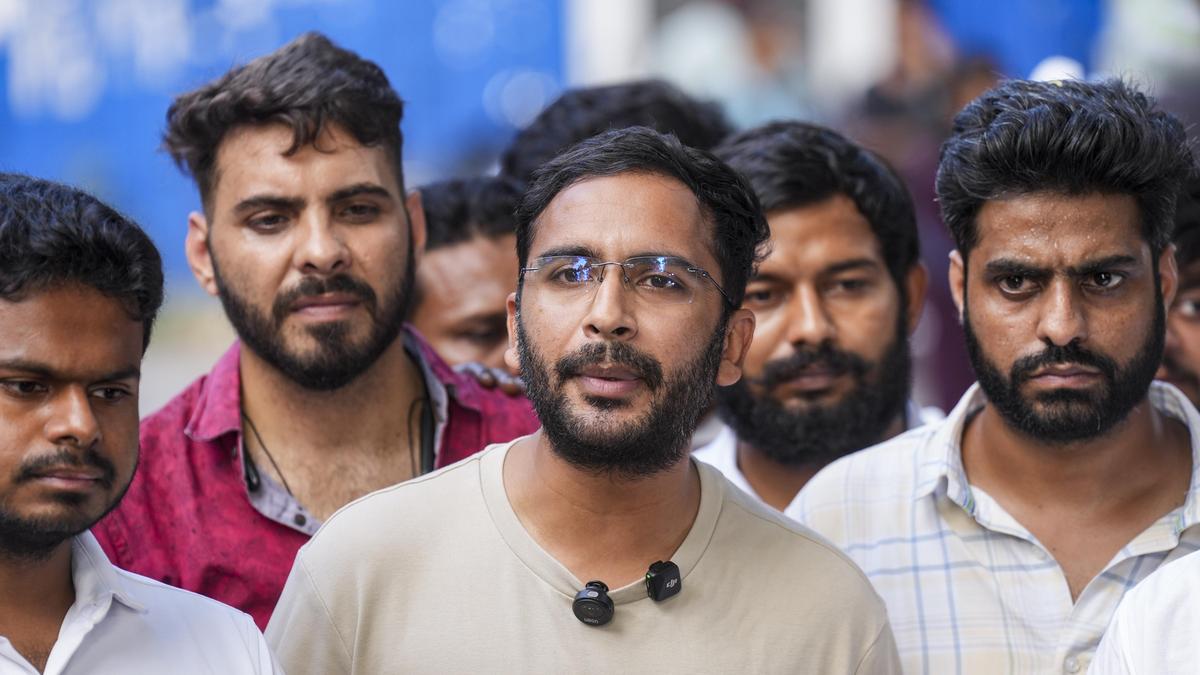
Geoff Bennett, a reporter, spoke with Daniel Weiner, the senior director of the Elections and Government Program at the Brennan Center for Justice, to delve deeper into the issue. According to Weiner, Alaska voters have consistently shown a keen interest in this matter. After a previous attempt to impose lower limits on individual campaign contributions was struck down by the courts in 2021, the current proposal aims to set new limits that align with the Supreme Court's decision, albeit at a slightly higher threshold.
The ruling by the Supreme Court has been a pivotal force in shaping the conversation around money in politics. It has contributed to a broader understanding of the pervasive influence of money on electoral processes. A recent poll conducted by the Brennan Center revealed that a vast majority of voters, over 80%, perceive corruption as a significant issue in politics and are deeply concerned about the influence of money in the political sphere.
However, the disconnect between public sentiment and political actions remains evident. Despite widespread discontent, the Supreme Court's stance continues to favor expansive political spending, which has left voters frustrated and disillusioned. The issue of money in politics is not confined to Alaska alone. Across the nation, the impact of substantial financial contributions is becoming increasingly evident.
The ruling by the Supreme Court has facilitated a surge in "dark money" contributions, which are typically undisclosed and used by interest groups to wield influence over elections. The secrecy surrounding these contributions, coupled with the proliferation of independent expenditure-only committees, has made it challenging to track the sources of funding.
This lack of transparency has further eroded public trust in the electoral process. Despite the mounting concerns, money does appear to hold considerable sway in American politics. While it is evident that money alone does not guarantee victory, candidates who can amass substantial financial resources are generally better positioned to compete effectively.
However, the reliance on money as the primary determinant of electoral success has sparked debates about the fairness and integrity of the electoral system. The Brennan Center's findings underscore the urgent need for reforms in campaign finance laws to restore public confidence in the democratic process. As voters weigh the merits of the proposed ballot measure in Alaska, it becomes clear that the debate over big money influence in American politics is far from over.
Written by urgent.news from PBS NewsHour's reporting — not their text. Machine-written — may contain errors; check the original before relying on it.