The global ‘freedom of the seas’ is dying in the Strait of Hormuz—and everyone, everywhere, could pay the tolls
Iran forcing a fee structure in the Strait of Hormuz may trigger a global domino effect.
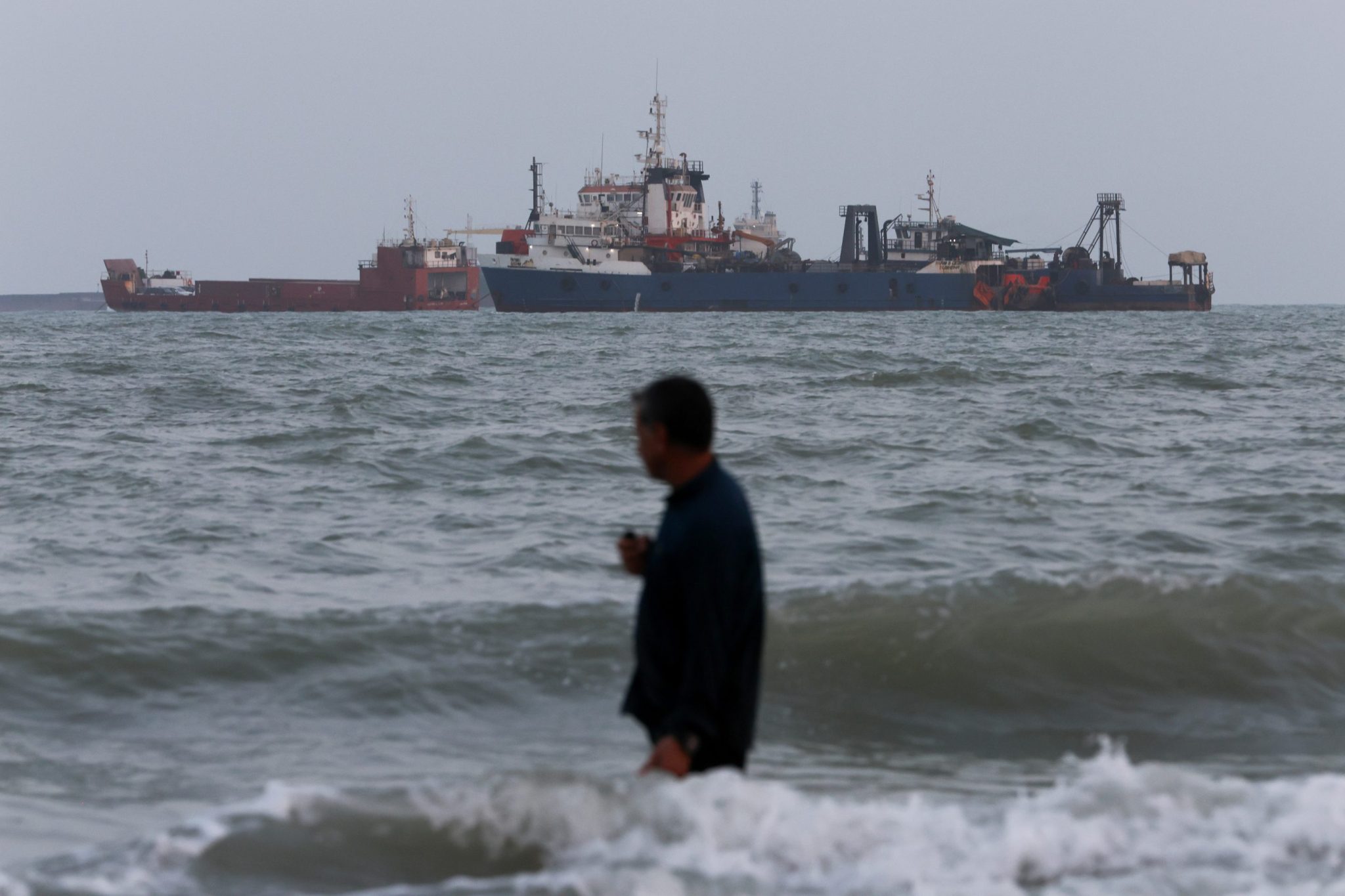
The freedom of the seas, once a cornerstone of global maritime law, appears to be eroding as nations consider imposing tolls on key shipping lanes, with serious implications for the global economy and international maritime regulations. Iran, in particular, appears poised to introduce a 5% to 7% service fee per barrel of oil passing through the Strait of Hormuz, which could generate nearly $20 billion annually, according to Michelle Brouhard, a geopolitical risk policy expert at Kpler.
This development, coupled with the U.S.'s growing inability to prevent such fees, could set a precedent for other nations to demand tolls in their respective straits, such as the Strait of Malacca, Gibraltar, and others impacted by Russia's war in Ukraine. The concept of "freedom of the seas," rooted in the post-World War II order, is under threat, with energy and geopolitical experts debating whether a fee structure, even voluntary, is inevitable or a tactic to secure economic gains for Iran.
While some, like Bob McNally, believe Iran might accept small, voluntary fees akin to those at the Strait of Malacca, others, such as Gregory Brew, predict larger payments from Gulf Cooperation Council (GCC) states to keep the strait open. This shift could lead to inflationary pressures and potentially hasten the move towards onshoring, with countries looking to secure domestic supply chains amidst heightened hostilities and geopolitical rivalries.
Written by urgent.news from Fortune's reporting — not their text. Machine-written — may contain errors; check the original before relying on it.