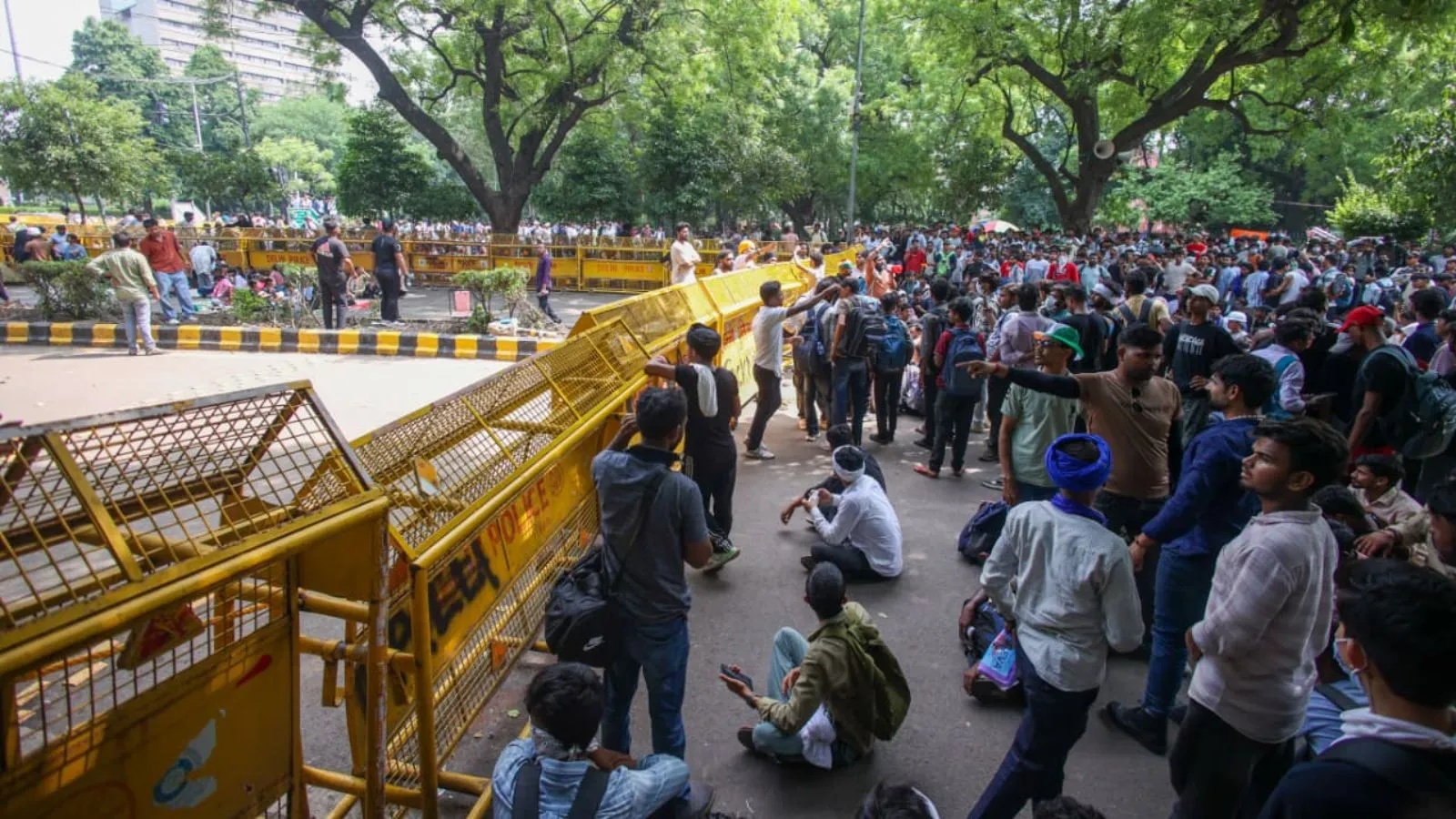
The Gen Z that wasn’t at Jantar Mantar
At Jantar Mantar, the diversity and energy of Generation Z was palpable. Young, passionate and highly shareable, they grasped the importance of visibility. Their impact transcended physical barriers, their messages reaching far beyond the protest site. The world marveled at this generation defying tradition, yet another subset of Gen Z remained absent from the photographs.
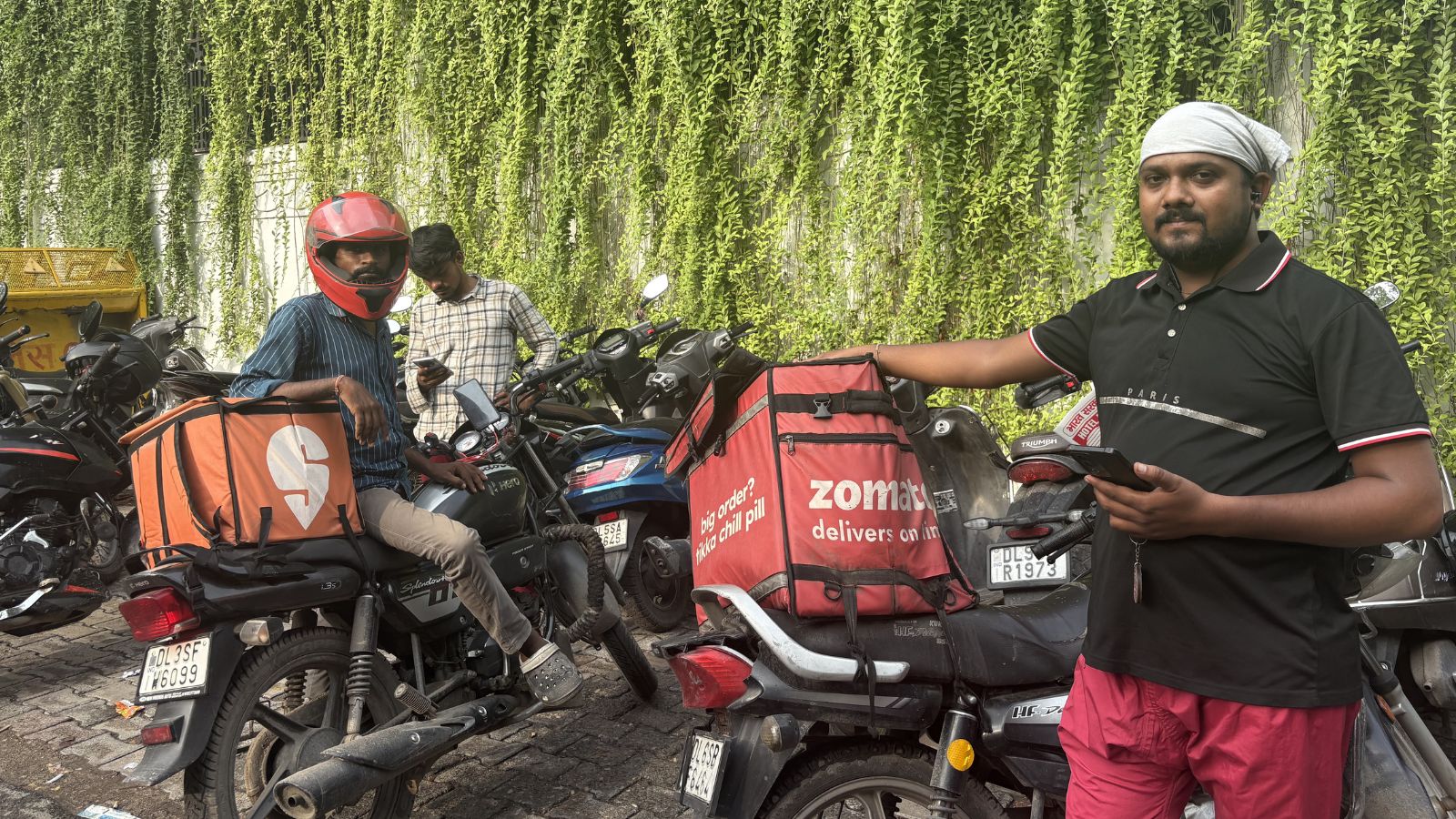
This individual, likely preparing dinner for someone watching the protest on their phone, embodies a different reality. He is 22, juggling a debt-financed motorcycle and a precarious gig economy job. His employer is a rating system, his workspace boundless, and his work hours flexible, but not entirely secure. The unpredictability of his employment, driven by market forces and algorithmic evaluation, paints a picture of modern work-life dynamics.
The irony of freedom was not lost on this demographic, but the absence of support structures was stark. Outside the protest, a security guard, working 12-hour shifts to protect the very lifestyle he can't enter, highlights another facet of this economic dichotomy. Meanwhile, in a rural village, a 21-year-old with a smartphone, a degree that may not be equipping him for the job market, and aspirations his father never had, offers a glimpse into the widening gap between aspiration and access.
While the rest of the world marvels at Gen Z's activism, the reality remains that inequality persists, only amplified by technology. This generation shares a global stage, comparing themselves against a vast array of experiences and aspirations, many outside their reach. The democratization of aspiration has outpaced the creation of pathways to achieve these aspirations, leaving many feeling adrift.
The sneaker, the café, the startup lexicon, and the gym physique have become symbols of success, creating a national grammar of achievement that excludes those who can't afford participation. The gig economy, with its promise of autonomy and flexibility, often replaces the tangible benefits of traditional employment with a nebulous sense of entrepreneurship.
As the economic routes to status narrow, other avenues for self-worth emerge – religion, national identity, online tribes, or the pursuit of digital influence. The absence of visible ladders in the protest crowd underscores a deeper issue: when a generation lacks tangible opportunities for advancement, they may seek alternative means to define themselves.
The Jantar Mantar protest was a powerful display of Gen Z's anger and their call for change, but it also highlighted a larger systemic challenge: the generational divide between aspiration and access.
Written by urgent.news from The Indian Express's reporting — not their text. Machine-written — may contain errors; check the original before relying on it.
This story
This is one outlet's version. Read the fullest account.