Takaichi Growth Strategy Faces Pressure As Economy Loses Momentum
Prime Minister Sanae Takaichi’s economic agenda came under fresh pressure on August 18 after weaker-than-expected growth figures exposed the fragility of Japan’s recovery, sharpening the political stakes around the Bank of Japan’s next rate decision, the weak yen, and the government’s plan to cut the consumption tax on food. (News On Japan)
Tokyo - Prime Minister Sanae Takaichi's economic plan faced fresh scrutiny on August 18 after weaker-than-anticipated growth figures revealed the vulnerability of Japan's recovery, intensifying the political implications surrounding the Bank of Japan's upcoming rate decision, the devalued yen, and the government's proposal to lower the consumption tax on food.
Japan's economy grew at a slower pace than expected in the April-June quarter, with lower household and business spending emphasizing the challenge of achieving sustainable growth amidst high living costs and companies grappling with higher borrowing expenses. This outcome complicates Takaichi's case for arguing that extensive investment, tax relief, and economic security policies can propel Japan into a more robust growth trajectory.
The data emerged at a critical juncture. Takaichi has positioned growth at the core of her administration, unveiling a 370 trillion yen public-private investment blueprint through fiscal 2040 and touting strategic industries like artificial intelligence, semiconductors, shipbuilding, energy, space, and quantum technology as the bedrock of Japan's upcoming industrial era.
Nevertheless, the most recent growth data indicates a more pressing issue. Household spending remains precarious, business investment has not yet reached a level to instill confidence, and the weak yen continues to escalate the expense of imported food, energy, and raw materials. Consequently, the government is striving to promote a long-term investment strategy while voters assess it based on current prices and wages.
The Bank of Japan is emerging as the next significant political trial. Reuters has disclosed that the BOJ is contemplating a September rate increase and may expedite future hikes, reflecting apprehension that it might lag behind inflation as the weak yen, energy prices, and robust global AI-related demand fuel price pressures. The central bank lifted its policy rate to 1% in June, the highest level in over three decades, and maintained rates steady at its July 30-31 meeting.
Its subsequent meeting on September 17-18 is now one of the most pivotal events on the political agenda, affecting not only markets but also Takaichi's capacity to handle her economic blueprint. The September hike could bolster the yen and alleviate import-driven inflation, providing households with some respite. However, it would also escalate borrowing costs for the government, companies, and mortgage holders, rendering Takaichi's investment and tax-cut agenda more challenging to finance.
This tension is now the fundamental economic conundrum for the administration. If the BOJ escalates policy too cautiously, the yen may weaken further, and households could encounter heightened pressure from imported inflation. Conversely, if it escalates policy too hastily, Japan's already fragile recovery could lose momentum, and the government's growth strategy could appear even more unattainable.
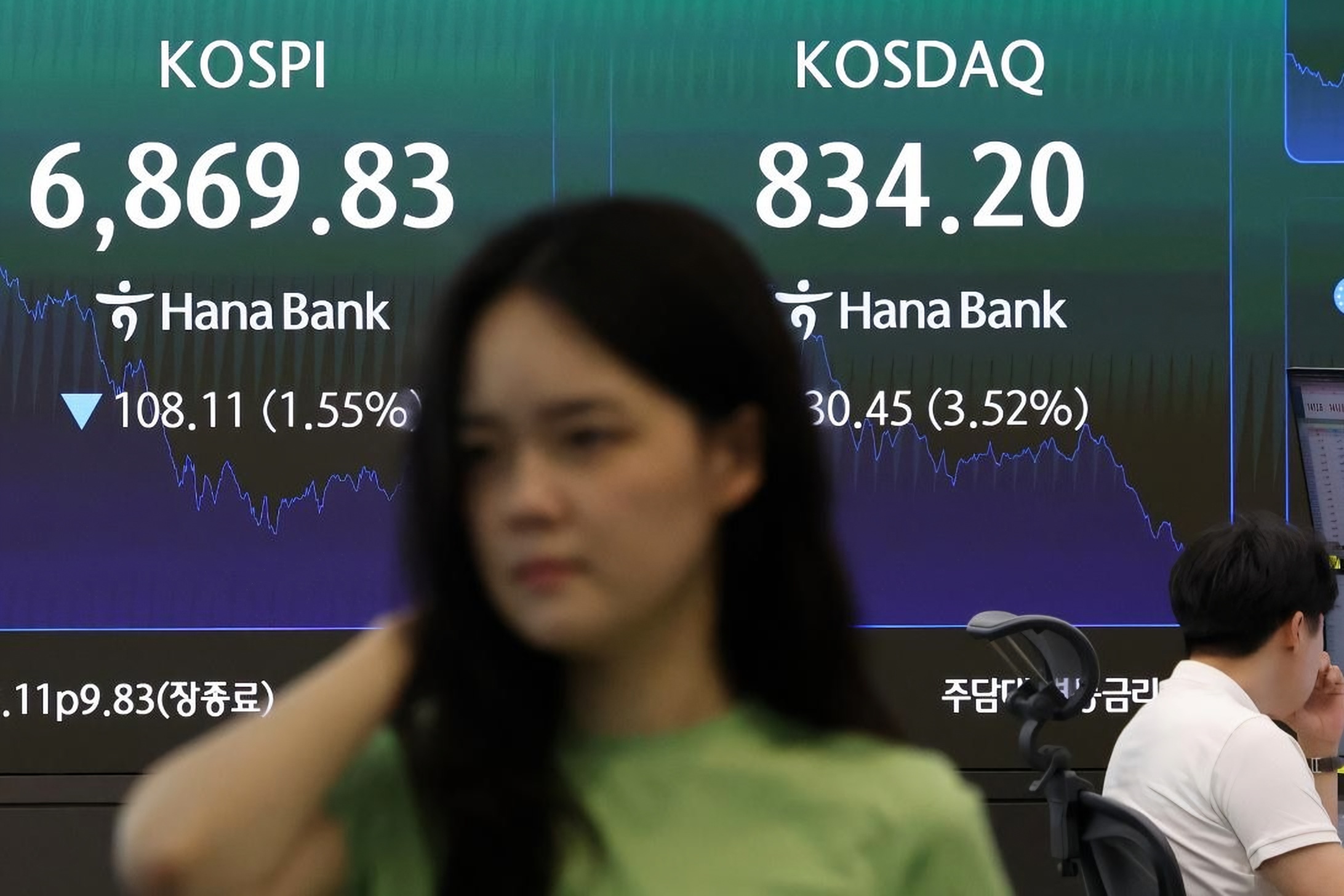
Bond markets are already expressing concern. Japan's 10-year government bond yield has reached its highest level in approximately three decades as investors price in swifter BOJ rate increases and doubt whether the government can sustain fiscal discipline while pursuing tax relief, defense expansion, and strategic industrial investment.
Takaichi's food-tax reduction remains the most conspicuous household-relief measure. The government has endorsed a plan to diminish the consumption tax on food from 8% to 1% for two years starting April 2027, alongside providing payments that would effectively offset the remaining 1%. The administration asserts that it will not utilize deficit-financing bonds to finance the plan, but the measure is still anticipated to generate a revenue shortfall of approximately 5 trillion yen.
The political worth of the policy is evident. Food prices are one of the most tangible ways voters experience inflation, and Takaichi requires a tangible answer after her approval rating plummeted sharply in July. However, the two-year delay offers opposition parties an opportunity to contend that the plan is too gradual, while the two-year cap creates a future political risk when the tax rate is reinstated.
Markets are preoccupied with another risk: whether the tax cut can be financed without compromising Japan's fiscal credibility. If investors perceive the measure as a politically motivated response to falling support rather than a disciplined temporary policy, bond yields could surge further, and the yen could face renewed scrutiny.
The weak yen persists as a central political quandary despite recent intervention. Japan and the United States conducted a rare coordinated yen-buying operation after the currency plummeted to 40-year lows, but analysts have cautioned that intervention alone cannot resolve the underlying pressure. Former top currency diplomat Takehiko Furusawa has expressed the possibility of further intervention, but that enduring stabilization would necessitate fundamental steps, such as swifter BOJ rate hikes and credible fiscal policy.
This message places Takaichi in a challenging position. Her political persona is built around proactive fiscal policy, strategic investment, and household relief. Yet, the yen and bond markets are demanding circumspection, credibility, and assurance that the BOJ will not be impeded from tightening when necessary. The government's rapport with the BOJ remains politically delicate.
Earlier phrasing in the economic blueprint raised concerns that the administration desired closer collaboration with the central bank to bolster growth. The final document clarified that specific monetary policy tools belong to the BOJ, but reports that Takaichi solicited Governor Kazuo Ueda in May to augment bond purchases if necessary have kept questions about central bank autonomy alive.
The opposition is poised to exploit the weaker growth data to assail the government from multiple angles. It can argue that Takaichi's investment roadmap has yet to yield stronger demand, while also warning that her tax cuts and spending plans jeopardize markets. The government will respond that Japan necessitates both immediate household aid and long-term investment to break free from decades of sluggish growth. Security and diplomatic matters are also part of the equation.
Written by urgent.news from News On Japan's reporting — not their text. Machine-written — may contain errors; check the original before relying on it.