Syria admits holding nuclear material, refuses handover: ‘We have the right to use it’
Damascus reverses an earlier plan to remove the material from Syria, saying it will remain under IAEA safeguards for peaceful civilian use; the stockpile is linked to Assad-era nuclear activity and a secret site monitored by Israel
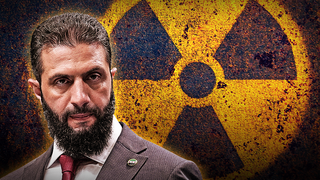
Syria announced on Tuesday that nuclear material discovered at a clandestine site would remain within its borders for "peaceful purposes," a reversal of a statement made just a week prior. During a joint press conference in Damascus with IAEA Director General Rafael Grossi, Syrian Foreign Minister Asaad al-Shaibani declared the material would stay under Syrian control but would be subject to safeguards agreed upon with the UN nuclear watchdog.
"Syria has the right to utilize the material for civilian purposes," al-Shaibani affirmed. "Syria and the IAEA have been cooperating at advanced stages. The new Syria is keen to continue cooperation."
The disclosure marked a shift from a week earlier when Syria's Atomic Energy Commission stated that an IAEA delegation was scheduled to visit the nation and verified reports that nuclear material found at a secret location would be removed. Israeli and U.S. officials informed Axios at the time that the IAEA's involvement stemmed from understandings reached between the Trump administration, Syria, and Israel following a series of threats and extensive diplomacy.
The nuclear material is thought to be tied to the concealed program initiated under the previous Syrian President Bashar Assad, centered around the al-Kibar reactor in eastern Syria. Israel dismantled the reactor in a 2007 airstrike, effectively dismantling Syria's nuclear program, although numerous research, development, and storage sites remained active.
After Assad's overthrow, the IAEA reached an agreement with Syria's new administration, permitting inspectors to visit former reactor sites and other areas linked to Syria's prior nuclear endeavors. One facility closely monitored by Israel for the past two years was known as "Site 99." Israeli officials informed Axios that the Assad regime had stored nuclear material at this site, including yellowcake, a uranium concentrate that can be further processed and enriched as part of the nuclear fuel cycle.
The material at Site 99, according to the report, could not be directly used for constructing a nuclear weapon but could potentially be employed in a "dirty bomb," which is a conventional explosive designed to disperse radioactive material and contaminate an area rather than generate a nuclear blast. Israeli officials said the IDF targeted the entrances to the site shortly after the collapse of the Assad regime in an attempt to prevent access to the stored material.
For over a year, Israel and the United States deliberated on the best approach to handle Site 99, with senior officials in Israel and at the White House National Security Council working closely on the matter, and Israel communicating to the Trump administration that it would not tolerate the nuclear material remaining at the site.
During the same press conference, al-Shaibani also criticized Israel over reported nighttime strikes in Syria, asserting, "Today, we stand together to demonstrate our commitment to being a pillar of stability at the regional and international level, while Israeli forces persist in their policy of aggression and chaos. We reaffirm Syria's sovereignty and our call for an immediate end to Israeli violations."
Written by urgent.news from Ynetnews's reporting — not their text. Machine-written — may contain errors; check the original before relying on it.