Urgent.News

What's breaking now, across thousands of outlets.

World

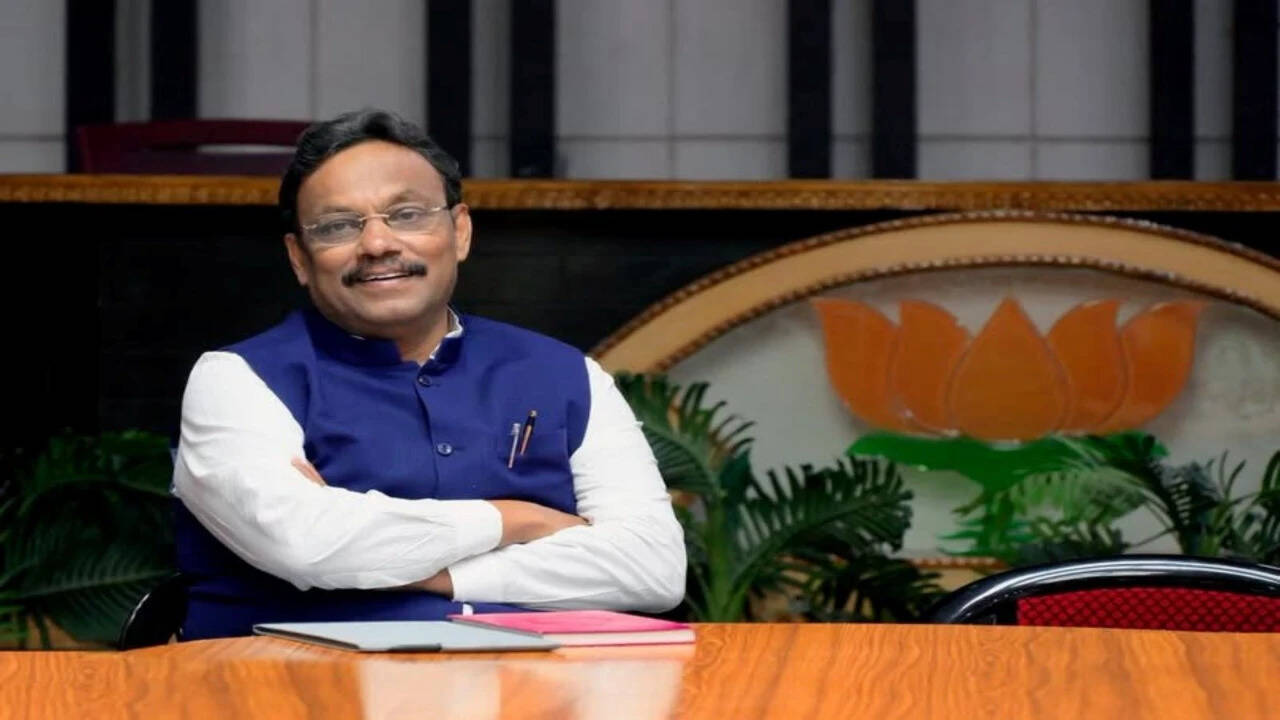
Sundas Foundation children celebrate birthday of Minister Azma

Children suffering from thalassemia, haemophilia and other blood disorders at Sundas Foundation celebrated the birthday of Punjab Information and Culture Minister Azma Zahid Bukhari on Tuesday by cutting a cake and offering prayers for her health, happiness and success. According to foundation’s spokesperson, the celebration was attended by children undergoing treatment at the foundation and […]

We haven't written up this one. Daily Times has the full story — the link below goes straight to it.

Read the original at dailytimes.com.pk →

More in World

Getting bogged down in Iran, Trump takes out his frustration on allies…Korea also a ‘scapegoat’ In an interview with a group of reporters on the 9th (local time), US President Donald Trump criticized Korea and other allies for not doing enough to help the US in its military operations against Iran. On that day, President Trump defended his decision to kill top Iranian military commander Qasem Soleimani in a drone strike on January 3, saying it was an “act of self-defense” and “the right thing to do.” However, he also expressed frustration that the US had to bear the costs alone, saying, “We did a big favor for a lot of countries. We took out a very bad guy, and it helped a lot of countries,” He continued, “But you know what? These countries didn’t pay us. They didn’t even give us a little bit of money. Not even a little bit. And you know, some of these countries, I could mention their names, but I won’t. Some of them are right here in this area. They’re tremendous. But they didn’t pay.” In particular, he mentioned Korea, saying, “Korea, for example, you know, they send us a lot of cars, and they make a lot of money. But they don’t give us anything. Not a single cent.” President Trump has repeatedly emphasized that Korea and other allies should pay more for their defense, but experts point out that his argument is based on a misunderstanding of the current security situation and the nature of the Korea-US alliance. Experts also point out that it is not easy for Korea to increase its financial contribution to the US military stationed in Korea, given that there is no clear threat from North Korea at the moment. In addition, President Trump’s logic that Korea benefits from the US military presence and therefore should pay more is also problematic, they say. Dr. Sue Mi Terry, a senior fellow at the Center for Strategic and International Studies (CSIS), said, “The problem is that the US wants Korea to pay for the overall cost of maintaining US forces in Korea, but that’s not how it works.” She continued, “The US military presence in Korea is not just for Korea’s benefit, but also for the US’s own benefit. It’s about regional stability and preventing proliferation. So, it’s not that Korea should just pay.” Dr. Bruce Klingner, a senior research fellow at the Heritage Foundation, also said, “The Korea-US alliance is not just about Korea, but also about the US’s interests. The US military presence in Korea also serves to deter China and Russia.” He added, “So, it’s not a one-way favor, but a mutual benefit. And it’s not that Korea should just pay.” Despite criticism from experts, President Trump appears to be maintaining his hardline stance on the issue of defense costs. At a press conference on the 8th, he said, “I think we can make a deal with Korea. I think they will come up with some money. They have tremendous resources. They have a lot of money.” On the same day, US Ambassador to Korea Harry Harris also said, “Korea has agreed to significantly increase its contribution to defense costs. I think we can announce this soon.” However, Korea’s Ministry of Foreign Affairs said on the 9th that negotiations on defense costs between Korea and the US are still underway and that there is no agreement yet. The Ministry said, “The Korean government has made various efforts to contribute to the stationing of US forces in Korea, including increasing its financial contribution through the Special Measures Agreement (SMA) and providing various facilities and conveniences.” It added, “We will continue to make efforts to reach an agreement through close consultations with the US.” Meanwhile, President Trump’s dissatisfaction with the Korea-US alliance is not limited to the issue of defense costs. In a recent phone call with President Moon Jae-in, President Trump reportedly expressed frustration that Korea was not doing enough to help the US in its dealings with North Korea. According to sources, President Trump said that Korea should do more to help the US in its efforts to pressure North Korea, saying, “Korea is getting a free ride.” In response, President Moon Jae-in reportedly explained Korea’s position and efforts, but President Trump’s dissatisfaction seems to remain. Dr. Terry said, “The problem is that President Trump does not understand the Korea-US alliance. He thinks it’s a one-way favor, but it’s not.” She added, “The Korea-US alliance is a mutually beneficial relationship. Korea also has a lot to offer, not just in terms of money, but also in terms of its experience and expertise in dealing with North Korea.” Dr. Klingner also said, “The US should appreciate Korea’s contributions to the alliance. Korea has provided significant support for US military operations in Afghanistan and Iraq, and has also provided substantial humanitarian assistance to Syria and other countries.” He added, “The US should recognize the value of the Korea-US alliance and work to strengthen it, rather than trying to extract more money from Korea.”

More from Tuesday 18 August →