Student protests: Delhi Police affidavit in Supreme Court is rich with numbers, but quiet on fixing accountability
The affidavit says over 240 police personnel, including women officers, were injured in the violence on July 20; around 218 protestors were injured and received treatment; the police had to prevent the protestors from causing damage to vital installations near Parliament
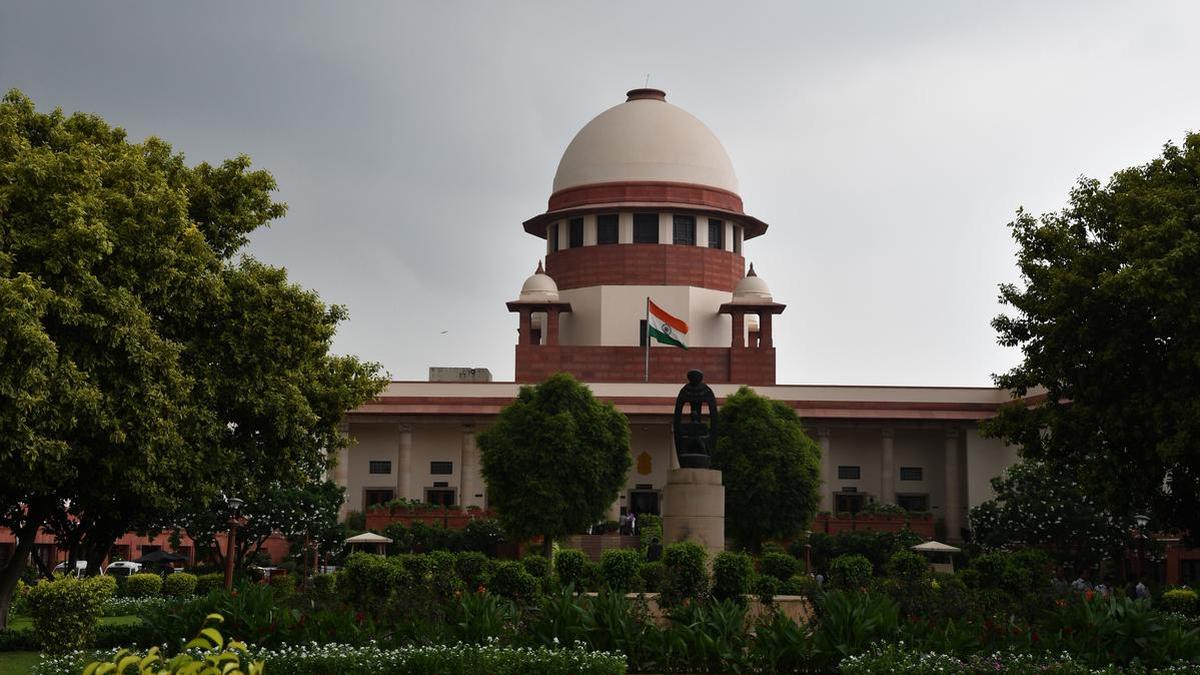
On August 17, 2026, the Delhi Police filed a 42-page affidavit in the Supreme Court, packed with statistics and details about the NEET-UG protests. The affidavit mentioned the use of over 3,600 barricades and the deployment of more than 4,600 women police officers. It also discussed the identification of 2,873 faces through facial recognition systems and reported seven stolen vehicles, 66 theft incidents, and 123 lost reports during the protest period.
However, the document remained silent on the actions taken by the police hierarchy to investigate and rectify the allegations of misconduct against officers towards women students and protestors. The Supreme Court had assured the petitioners' counsel that it would establish a high-powered committee to examine the allegations of plainclothes police personnel sexually molesting women protestors.
The affidavit did not provide information on the use of force by police officials against protestors, stating that the court might appoint a high-powered committee to investigate all related issues. It mentioned that over 240 police personnel, including women officers, sustained injuries during the violence on July 20, while around 218 protestors were injured.
The protests at Jantar Mantar, initially intended to be peaceful, escalated after the commencement of the monsoon session of Parliament on July 20, leading to numerous confrontations with the police.
Written by urgent.news from The Hindu's reporting — not their text. Machine-written — may contain errors; check the original before relying on it.
Also reported by 5 other outlets
- Preservation group urges Supreme Court to suspend White House ballroom project pbs.org
- Goa moves Supreme Court to enhance sentence of Tarun Tejpal in 2013 rape case thehindu.com
- Pakistan Supreme Court orders jailed ex-PM Khan be shifted to hospital qatar-tribune.com
- Delhi Police explains why cops wore civil clothes during Jantar Mantar protest timesofindia.indiatimes.com
- CJP protests: Supreme Court to set up panel including ex-judge, CBI ex-boss indianexpress.com