Stocks mostly drop as Mideast hopes dim, interest rates rise
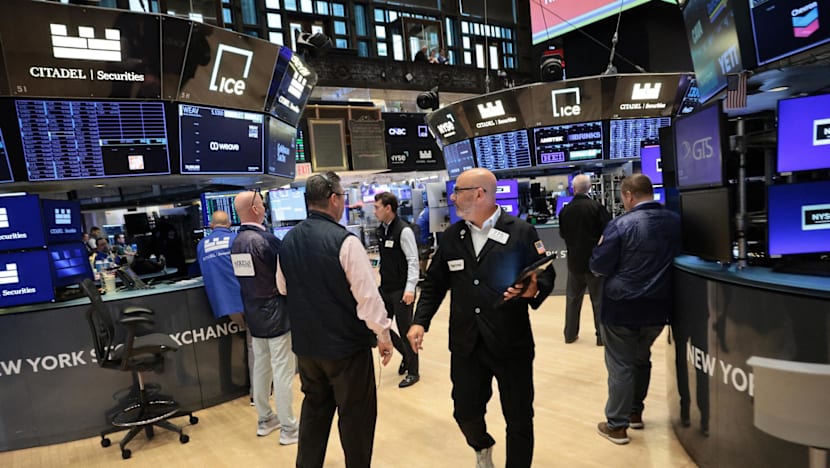
Stock markets experienced a widespread decline on Tuesday (Aug 18) following the expiration of a US-Iran truce with no advancement towards reopening the Strait of Hormuz. This development heightened apprehensions about escalating energy prices and their potential to fuel inflation. Consequently, government bond yields surged to their highest levels in nearly two decades, which further dampened stock prices.
Despite softer US economic data this month easing concerns about a forthcoming Federal Reserve rate increase, market participants still anticipate inflation to persist above central bank targets for an extended period due to the ongoing Middle East crisis and crude oil prices hovering near US$90 a barrel. The 10-year US Treasury yield surpassed 4.70 percent, a level not observed since June 2007, preceding the onset of the global financial crisis.
Neil Wilson, an investor strategist at Saxo UK, expressed concern over the rising government bond yields globally, which may soon pose a threat to equity valuations and complicate matters for indebted nations and policymakers. He emphasized that oil and energy prices are a significant contributing factor to the current predicament.
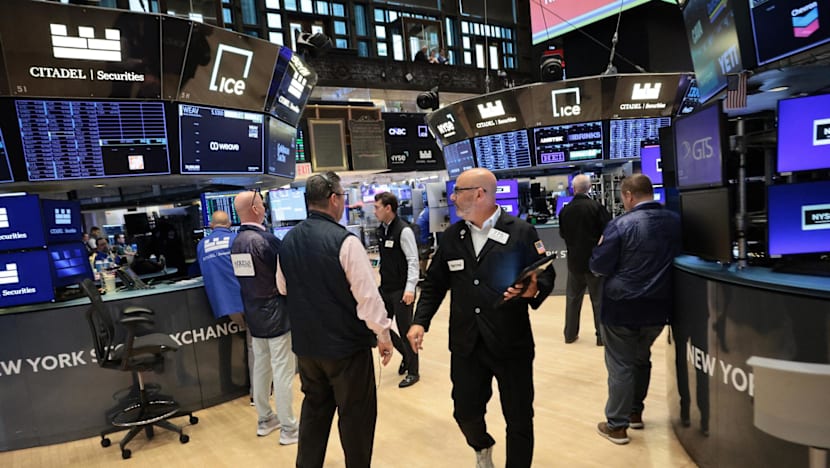
In France, the 10-year government bond yield reached its highest level since 2008, with European borrowing costs experiencing a sharp rise. Meanwhile, New York's three major indices suffered their third consecutive daily decline. The tech-heavy Nasdaq suffered the greatest setback, falling by approximately 1.3 percent, with Nvidia declining more than two percent and Intel dropping around seven percent.
A pattern of declining stock markets emerged throughout the week, as traders focused on mounting bond yields and oil prices. The US tech sector suffered, with Nvidia and Intel experiencing notable declines. While the European markets, led by BP and Shell, showed resilience, with their stocks appreciating by almost 3 and 2 percent, respectively. However, London's main index still managed a slight gain of 0.1 percent.
The chances of reaching a resolution between Washington and Tehran appeared slim, as US President Donald Trump announced that he would not extend the 60-day truce. Iran dismissed the truce as irrelevant, contending that the United States had violated it early on. Jared Kushner, a member of President Trump's administration, had previously reported positive and active discussions between the two nations; however, Trump denied the existence of any ongoing negotiations.
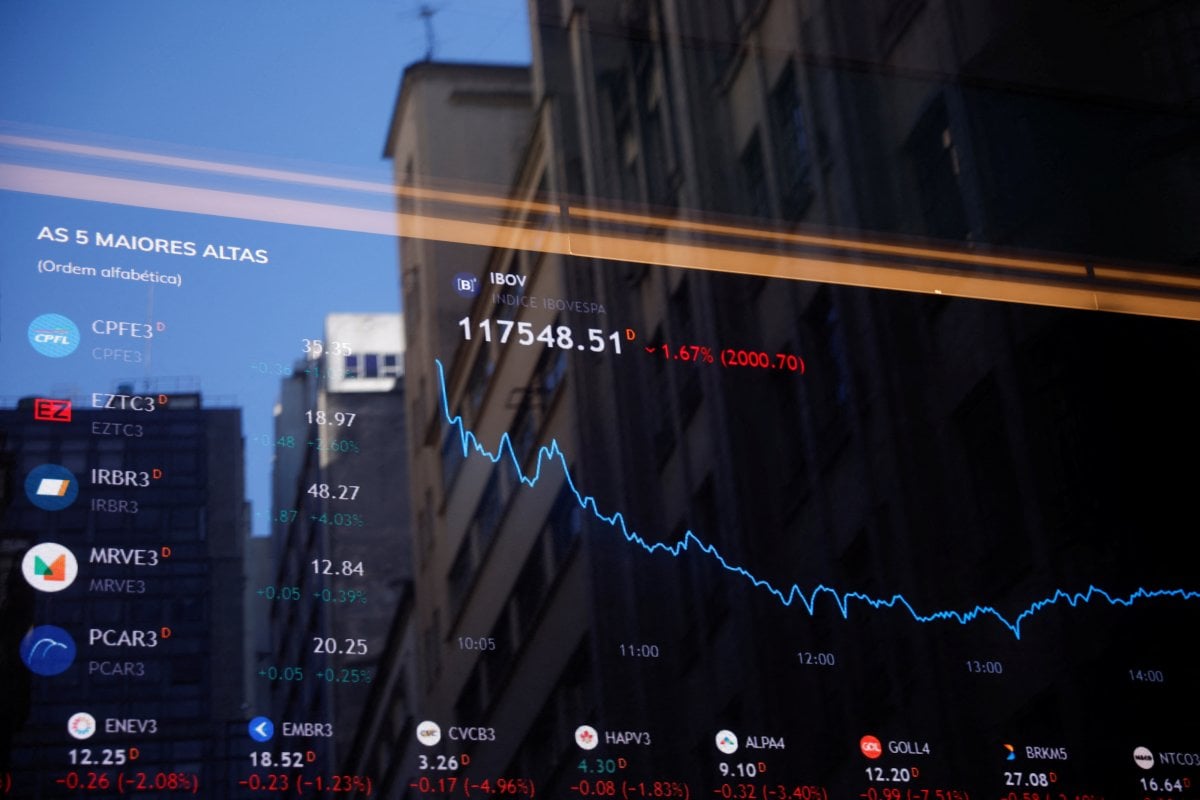
The naval blockade imposed on Iran remained in effect, and Washington and Tehran seemed content to engage in a long-term strategy, which investors feared could lead to persistently high oil prices. Following Monday's losses on Wall Street, Asian markets also suffered, with Tokyo declining more than two percent, Seoul and Taipei falling over one percent, while Hong Kong and Shanghai edged higher.
Written by urgent.news from Channel News Asia's reporting — not their text. Machine-written — may contain errors; check the original before relying on it.