Spanish police confiscate dozens of critically endangered Mexican axolotls
Authorities in Spain are investigating a Mexican national suspected of illicit possession of an endangered species, but the international trade in the amphibian endemic to the Xochimilco canals may not always be illegal. The post Spanish police confiscate dozens of critically endangered Mexican axolotls appeared first on Mexico News Daily
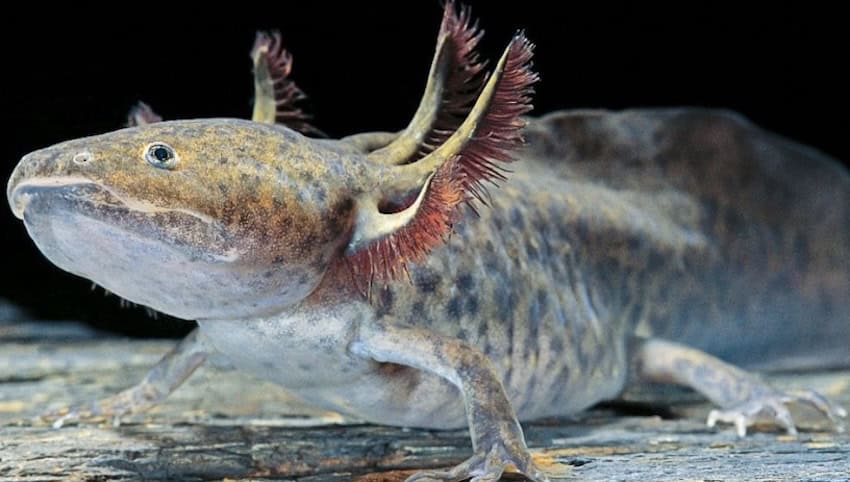
Spain's National Police have seized 29 critically endangered axolotls, an amphibian native to Mexico that can only be found in the Xochimilco canal system in Mexico City. The specimens were confiscated in the city of Granada, and Spanish authorities are investigating a Mexican national for allegedly participating in the illegal trade of these animals.
The axolotl population in its natural habitat has been critically depleted due to factors such as habitat destruction, water pollution, urban sprawl, and the introduction of invasive species into the Xochimilco canals. Despite this, axolotls have become popular as pets, making it crucial to control their origin and prevent illegal trade that fuels demand.
The International Union for Conservation of Nature classifies the axolotl as a critically endangered species, and while its international trade is legal and strictly regulated, the suspect did not have the proper documentation for the seized specimens. As a result, Spanish authorities seized the axolotls and are pursuing charges of unauthorized possession and sale of protected species.
The seized amphibians are now being cared for by specialized veterinary personnel at the Zoobotanical Biodiversity Conservation Center in Jerez de la Frontera, Cadiz. Reports indicate that axolotls are illegally sold for around 500 pesos (approximately US $30) at the Mixhuca Market in Mexico City. The illegal trade extends to South America, where Chilean officials confiscated 65 axolotls in April.
Chilean authorities estimate that nine out of ten axolotls die during the transition due to asphyxiation, dehydration, or exposure to extreme temperatures. While axolotls are coveted as exotic pets, their delicate nature and specific requirements make it nearly impossible for non-scientists to replicate the conditions of the Xochimilco canals, ultimately endangering the lives of these amphibians.
Written by urgent.news from Mexico News Daily's reporting — not their text. Machine-written — may contain errors; check the original before relying on it.