SoftBank invests $200 million in construction startup Gravis Robotics
The deal marks another splashy investment into robotics from SoftBank, whose founder, Masayoshi Son, is trying to make his firm a pivotal player in the global AI race.
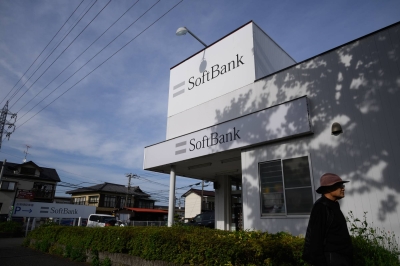
SoftBank, the Japanese investment firm, has committed $200 million to Swiss robotics startup Gravis Robotics for the development of autonomous software for construction machinery. The investment, a Series A round, was disclosed on Monday, though the company did not disclose its latest valuation. SoftBank had previously indicated a potential acquisition of Gravis, which could unfold in multiple stages involving additional funding over time.
The deal highlights SoftBank's ongoing push into the robotics sector, a key part of its strategy to become a major player in the artificial intelligence race led by its founder, Masayoshi Son. The Japanese investor will own a 13% stake in OpenAI by October and has backed various robotics businesses, including the acquisition of ABB's industrial unit last year.
SoftBank established a new holding company, Robo HD, and plans to launch another robotics and AI firm called Roze in the United States. Gravis Robotics, founded as a spin-off from ETH Zurich university in 2022, develops both software and hardware for earthmoving equipment. The startup's autonomous software allows operators to step away to safe and social environments while supervising entire fleets of robotic machinery.
Recently, Gravis was chosen to retrofit heavy equipment for an $8 million government infrastructure project in the United Kingdom. The company raised $23 million in a November funding round led by IQ Capital and Zacua Ventures.
Written by urgent.news from Japan Times's reporting — not their text. Machine-written — may contain errors; check the original before relying on it.