Saudi Arabia warns repeated Iranian attacks signal dangerous escalation
JEDDAH — The Council of Ministers reiterated Saudi Arabia’s categorical rejection of repeated Iranian attacks on commercial vessels and tankers. The Cabinet session, chaired by Custodian of the Two Holy Mosques King Salman in Jeddah on Tuesday, viewed these attacks as a dangerous escalation and a direct threat to the safety and security of maritime navigation. In a statement to the Saudi Press…
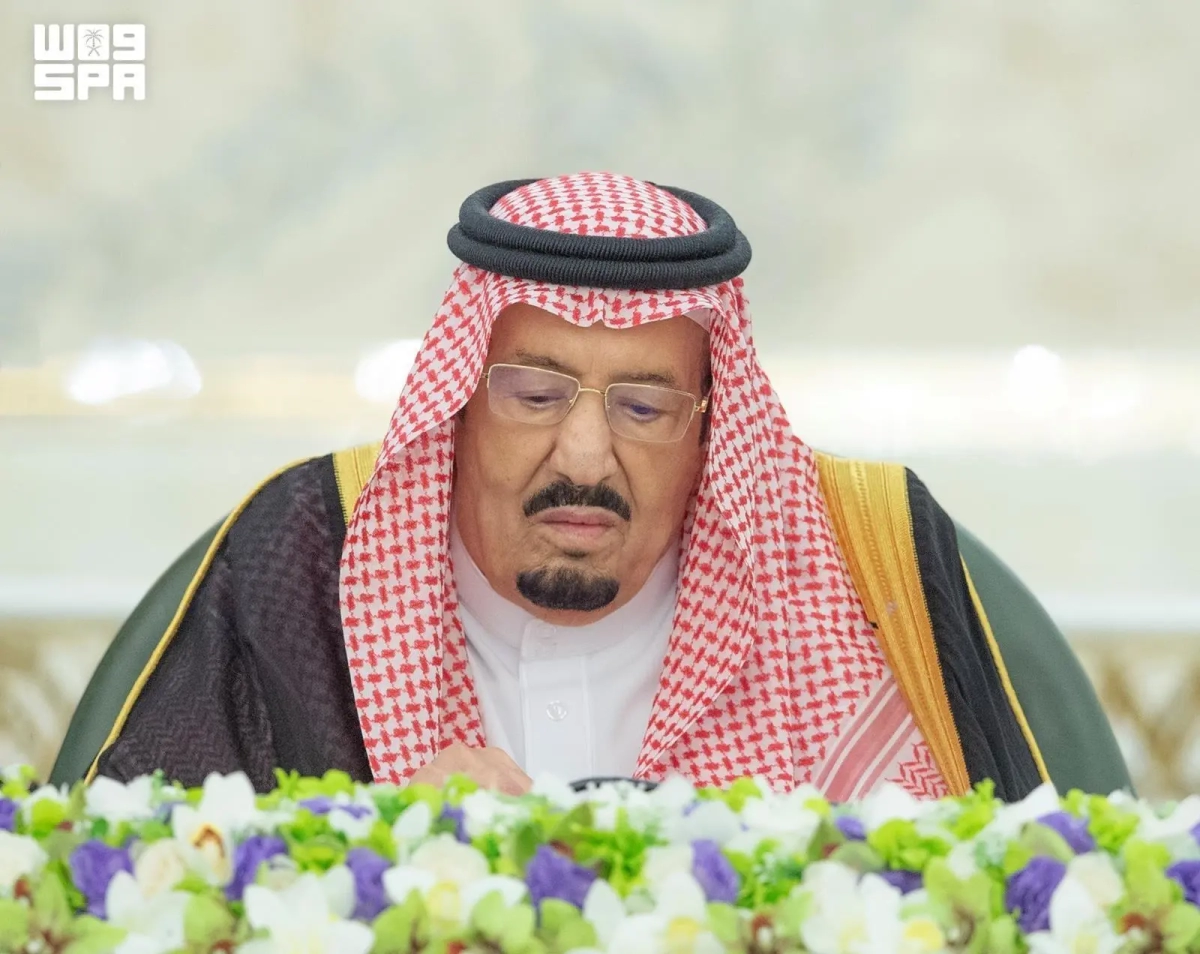
JEDDAH — On Tuesday, the Saudi Council of Ministers held a meeting chaired by King Salman where they firmly rejected a series of recent Iranian attacks on commercial vessels and tankers. The attacks were deemed a dangerous escalation, posing a direct threat to maritime navigation safety and security. According to Salman Al-Dossary, Minister of Media, the Cabinet affirmed these attacks were a blatant violation of international laws and norms, disregarding Security Council resolutions protecting commercial vessels' freedom of navigation through the Strait of Hormuz.
The Cabinet also discussed strengthening bilateral and multilateral cooperation with friendly nations to bolster regional and international security and stability. A significant highlight was the activation of the Saudi-led Multinational Maritime Defense Alliance, marking a new phase of joint action aimed at achieving full operational readiness to enhance collective maritime security and protect freedom of navigation across maritime routes.
On a bilateral front, the Cabinet endorsed the establishment of the Saudi-Sudanese Coordination Council, emphasizing the nations' commitment to joint coordination and cooperation. Saudi Arabia's recent presidency of the UNCCD Conference of the Parties (COP16) was also commended, as it facilitated international partnerships and initiatives in combating land degradation, desertification, and drought, alongside advancing water and food security, climate adaptation, and environmental protection.
The Cabinet acknowledged Saudi Arabia's longstanding humanitarian role on World Humanitarian Day, highlighting its position as a leading donor nation. Domestically, the Cabinet reviewed the education sector's achievements, focusing on improved organizational efficiency, enhanced educational institutions, expanded scientific expertise, upgraded teacher capabilities, and the creation of innovative learning environments to foster human capital development and align with Vision 2030.
Additionally, the Cabinet praised the Public Investment Fund's (PIF) financial performance and progress toward its targets, signaling continued efforts in economic diversification across key sectors such as artificial intelligence, technology, energy, infrastructure, and advanced manufacturing. The Cabinet also commended government agencies' achievements in the 2026 Digital Experience Maturity Index, underscoring their dedication to developing top-tier services for citizens, residents, and visitors.
Lastly, the Council authorized the signing of various memorandums of understanding (MoUs) with foreign nations, including Saudi Arabia and Malaysia on nuclear technology cooperation, Saudi Arabia and Kuwait on public-private partnerships, and Saudi Arabia and Tunisia on consumer protection.
Written by urgent.news from Saudi Gazette's reporting — not their text. Machine-written — may contain errors; check the original before relying on it.
This story
This is one outlet's version. Read the fullest account.
- Saudi Arabia tightens rules on financial transfers to UAE middleeasteye.net
- Saudi Arabia strongly condemns attacks targeting Kurdistan Region PM’s office saudigazette.com.sa
- Saudi Arabia tightens scrutiny of UAE transfers dailytimes.com.pk
- Houthis target refinery in southern Saudi Arabia freemalaysiatoday.com