Rising Fuel Costs Change How 64% of Workers Work
A posted hourly wage can overstate what a shift is worth to the person being asked to work it. Gas, tolls, vehicle expenses and unpaid travel time come out of what the worker earns, and those costs can turn an otherwise acceptable shift into one that no longer pays enough to take. The June 2026 […] The post Rising Fuel Costs Change How 64% of Workers Work appeared first on PYMNTS.com .
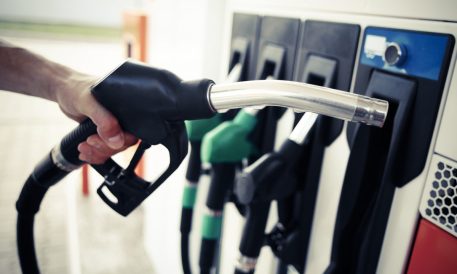
A report by PYMNTS Intelligence and WorkWhile reveals that rising fuel costs have significantly impacted the work habits of 64% of Labor Economy workers. Among these workers, 15% have turned down shifts due to the cost of commuting, while 16% are working fewer days to save on gas. Overall, the findings show that 64% of affected workers have changed how or whether they work in response to higher fuel costs, compared to 55% of higher earners.
Workforce platforms have an opportunity to provide more information before workers accept shifts. This could include displaying estimated take-home pay after commute costs, matching workers with nearby shifts, offering transportation support, and ensuring prompt payment. By doing so, platforms can help workers avoid shifts that do not financially benefit them, while also helping employers fill shifts that make economic sense.
The report also highlights the importance of financial providers in addressing transportation-related challenges. Options such as low-fee instant pay, dedicated commute balances, fuel rewards, cash flow alerts, and emergency savings tools could help workers manage the costs of commuting. However, it is crucial to avoid borrowing as a solution, as 19% of affected Labor Economy workers already rely on credit for transportation.
Additionally, the report notes that many workers are not adequately saving for emergencies, with 48% having only one month or less of savings, and only 52% feeling confident about covering a $1,200 emergency. By addressing transportation costs and providing financial resources, employers, workforce platforms, and financial providers can help workers manage the challenges posed by rising fuel costs.
Written by urgent.news from PYMNTS's reporting — not their text. Machine-written — may contain errors; check the original before relying on it.