Ramokgopa unveils revised electricity pricing policy, vows to end ‘hidden costs’ on consumer bills
South Africa’s revised electricity pricing policy will target hidden costs, municipal debt and tariff inefficiencies, with government promising greater transparency on what consumers actually pay for electricity.
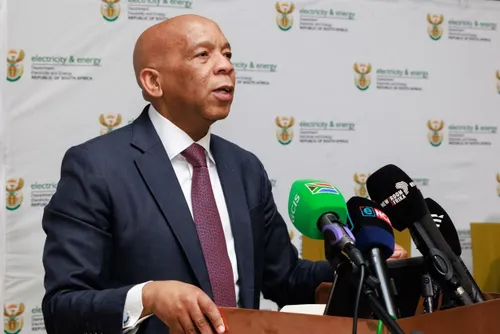
Electricity customers may soon gain clearer insight into their energy bills following a revised pricing policy introduced by Minister Kgosientsho Ramokgopa. The objective of the policy is to enhance transparency and fairness in electricity costs, ensuring consumers are not burdened by hidden fees, inefficiencies, or unpaid municipal debts.
Ramokgopa's proposed system would require bills to break down charges into individual components, such as energy, generation, transmission, distribution, ancillary services, and municipal surcharges. This would allow consumers to understand exactly how their electricity costs are calculated.
The minister also addressed the issue of non-payment and municipal debt being unfairly passed onto consumers who consistently pay their bills. Currently, Eskom recovers some municipal debt through electricity tariffs, placing additional pressure on compliant customers. The revised policy aims to prevent this practice, ensuring that costs are not shifted onto those who pay their accounts.
The policy will strengthen social protection measures for low-income and vulnerable households by integrating electricity beneficiary information with existing Home Affairs and social grant databases. This will allow for automated annual verification of eligibility, ensuring households qualify for free basic electricity as their circumstances change.
Progress has been made in tackling both load shedding and load reduction issues, with the country effectively ending load shedding and achieving seven out of nine province targets for load reduction ahead of the government's October deadline. Ramokgopa expressed confidence that the remaining work to address load reduction could be completed ahead of schedule, citing support from regional premiers.
The revised policy will also provide negotiated electricity pricing agreements to protect strategically important industries from closure and job losses. Government is already engaging with major industrial electricity users, including smelters, and has identified around seven other potential candidates for concessional tariffs.
The overarching goal of the policy is to create a transparent, efficient, and fair electricity pricing system that benefits consumers, vulnerable households, and productive industries.
Written by urgent.news from IOL's reporting — not their text. Machine-written — may contain errors; check the original before relying on it.