Postbiotic could reduce the risk of brain damage after a concussion
Giving mice a byproduct produced by gut bacteria reduced their risk of severe brain damage and cognitive difficulties after a traumatic brain injury
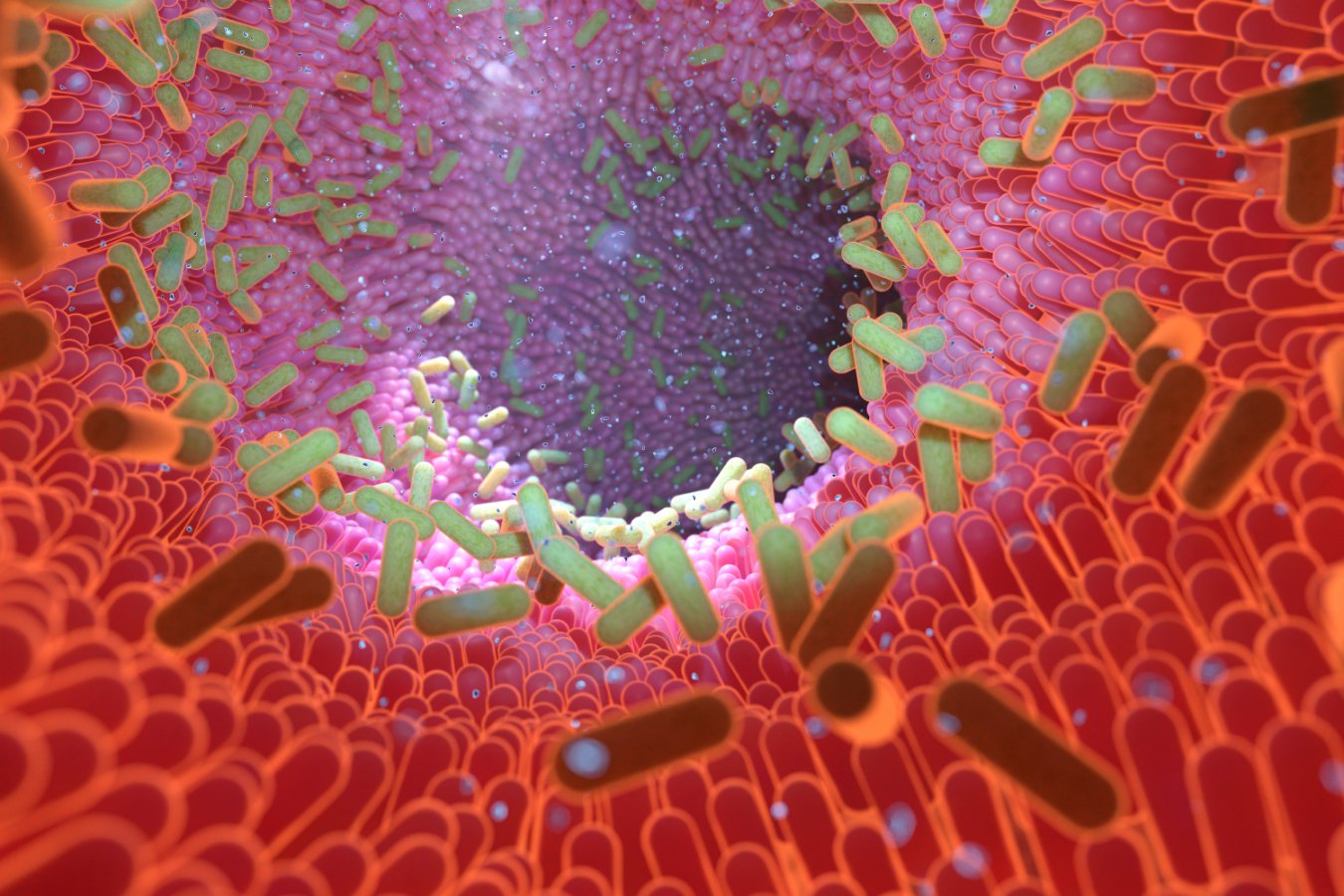
A postbiotic, a byproduct generated by gut bacteria during digestion, could potentially lower the risk of brain damage following a traumatic brain injury, such as a concussion, according to a recent study. Mice that experienced a brain injury and were administered this postbiotic prior to the injury showed less damage and improved cognitive performance on tests compared to those receiving a placebo.
This discovery suggests that the postbiotic could be used preventatively in individuals at a higher risk of traumatic brain injuries, including military personnel. The gut microbiome, which influences both the gut and the brain, may help mitigate the effects of traumatic brain injuries, which afflict tens of millions of people annually worldwide.
Specifically, a molecule known as indole-3-propionic acid (IPA), produced when gut bacteria break down the amino acid tryptophan found in foods like meat, fish, and eggs, has been linked to better recovery after subarachnoid haemorrhage and Alzheimer's disease. Researchers at the Air Force Medical University in China and their colleagues measured IPA levels in blood samples from 106 individuals with traumatic brain injuries and discovered that higher levels were associated with less brain swelling around lesions and better neurological outcomes six months later.
The study further examined the effects of IPA on mice subjected to brain injuries. Mice receiving IPA daily for two weeks showed reduced brain swelling, neuronal death, and tissue damage three days post-injury, as well as enhanced movement, learning, and memory up to 14 days post-injury. The researchers found that IPA protected mitochondria in astrocytes, the cells that supply energy and support to neurons, from oxidative damage and neuroinflammation by activating the aryl hydrocarbon receptor.
However, the mice in this study were given IPA before their brain injury, implying that this could be considered a preventive measure rather than a treatment. While IPA is an inexpensive compound that can be taken orally, its dosage may need to be tailored based on an individual's existing IPA levels from their microbiome, as this could vary depending on factors like injury severity, location, age, sex, diet, medications, antibiotics, intensive-care exposure, and pre-existing microbiome composition.
Further research is needed to explore the potential benefits of IPA in humans following traumatic brain injuries.
Written by urgent.news from New Scientist's reporting — not their text. Machine-written — may contain errors; check the original before relying on it.