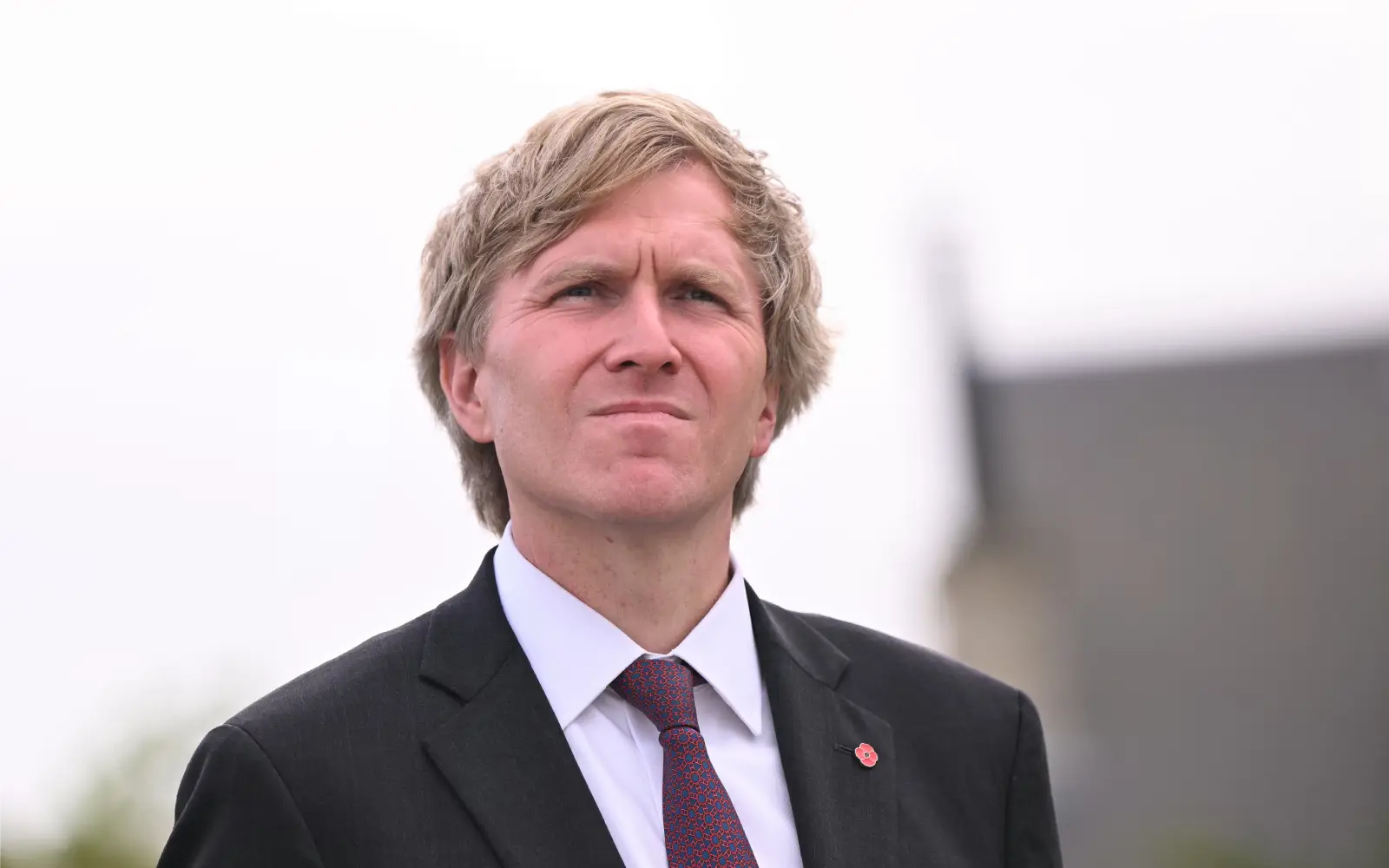
Politics with Michelle Grattan: One Nation’s David Farley on the migrants his party wants
Farley described One Nation’s immigration target as more complex than its official 130,000 figure, estimating about 40,000 more ‘rotating’ migrants were also needed.
One Nation, led by Pauline Hanson, is making waves in the Australian political scene with calls for stricter immigration policies and adjustments to superannuation rules. In the upcoming November election, the party will be contesting all Victoria seats. Recently, One Nation secured its first House of Representatives seat since its inception in Farrer, NSW, after the previous holder, Sussan Ley, resigned.
David Farley, a former chief executive of the Australia Agricultural Company, won the Farrer seat in May against an independent candidate.
Farley, a former Nationals member who previously considered joining Labor, discussed his early experiences in parliament and his interactions with government officials. He emphasized the importance of immigration for his local electorate, particularly in sectors like aged care, meat production, and farming. Farley agreed with One Nation's proposal for a cap on immigration, estimating it to be around 130,000 to 135,000 individuals.
However, Farley clarified that his interpretation of the party's policy is more nuanced. He negotiated with Pauline Hanson and agreed on a net immigration number of around 100,000, with the remaining 30,000 to 40,000 being rotating migrants already present in the country. These rotating migrants include skilled nurses and workers in industries like aged care.
During his meeting with Prime Minister Anthony Albanese and Minister Tony Burke, Farley reported positive outcomes, describing the conversations as professional and focused on the issues at hand. He highlighted Barnaby Joyce's role as a valuable mentor in his parliamentary journey, praising Joyce's experience and genuine nature.
Farley also spoke about data centers, advocating for sustainable energy and water supplies to keep Australia at the forefront of technology. Regarding voluntary assisted dying, Farley voted in favor of a private member's bill that allowed telehealth services, citing the need for dignity and timely access to such services, especially in remote areas.
Written by urgent.news from The Conversation AU's reporting — not their text. Machine-written — may contain errors; check the original before relying on it.