Philippines bets $1 billion on EVs as buyers weigh the savings
Manila: Electric vehicles are gaining traction in the Philippines as soaring fuel costs and lower running expenses make them increasingly attractive to motorists. But the country's push to become an electric-car manufacturing hub faces a basic question: Can Manila persuade consumers to buy EVs while fixing the problems that make them hesitant to own one? The government is betting heavily that the…
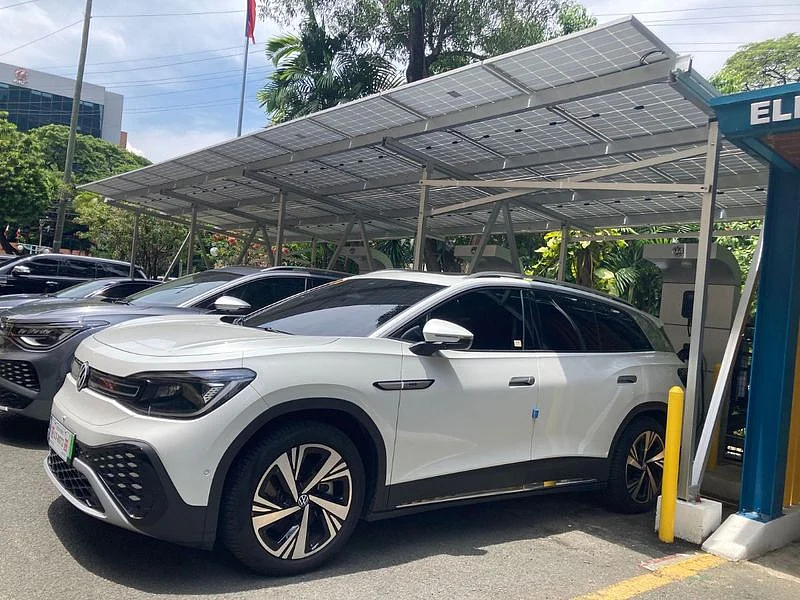
Electric vehicles (EVs) are gaining popularity in the Philippines due to reduced fuel costs and lower operating expenses. However, the government faces the challenge of persuading consumers to buy EVs while addressing the issues that deter ownership. President Ferdinand Marcos Jr. signed an executive order on July 29, 2026, creating the Electric Vehicle Incentive Strategy (EVIS) to attract automakers to produce EVs in the Philippines and increase local production.
The $1 billion (₱60 billion) package will offer up to ₱15 billion in fiscal support to four EV models, with investors needing to invest at least ₱5 billion or commit to producing 10,000 units annually within three years.
For Filipino motorists, the primary incentive for switching to EVs is the lower cost of ownership compared to conventional internal combustion engine (ICE) vehicles. Electric vehicles generally have lower energy and maintenance costs, with energy costs estimated at about ₱2 pesos/km, compared to ₱7 to ⱱ8 pesos for ICE vehicles. This significant difference becomes more appealing as fuel prices remain erratic.
Three primary concerns remain regarding EV adoption in the Philippines: charging infrastructure, battery repair accessibility, and resale value. Charging infrastructure is unevenly distributed, particularly outside major urban centers, causing inconvenience for motorists without home charging options. Battery repairs present a new ownership anxiety, as consumers are uncertain about battery warranties, replacement costs, diagnostic expertise, and part availability.
Resale value is also uncertain, as the Philippine used-car market primarily consists of conventional vehicles, leaving the EV market with insufficient historical pricing data and rapid technological advancements that could affect older vehicle values.
The Philippines' EV manufacturing push aims to tackle these challenges by building local production capacity, potentially reducing retail prices by up to 200,000 pesos per vehicle. However, the nation starts from a disadvantaged position, lacking the necessary technical expertise and battery servicing infrastructure to support EV growth.
Written by urgent.news from Gulf News's reporting — not their text. Machine-written — may contain errors; check the original before relying on it.