Pentax is dying (sorry fans) – but here’s what they should do to rise out of the ashes
Pentax are both extremely innovative, but also seem stuck in their ways. Is there life still left in the DSLR, or is it too late? Here's what I think Pentax should do to re-invent themselves. The post Pentax is dying (sorry fans) – but here’s what they should do to rise out of the ashes appeared first on Amateur Photographer .
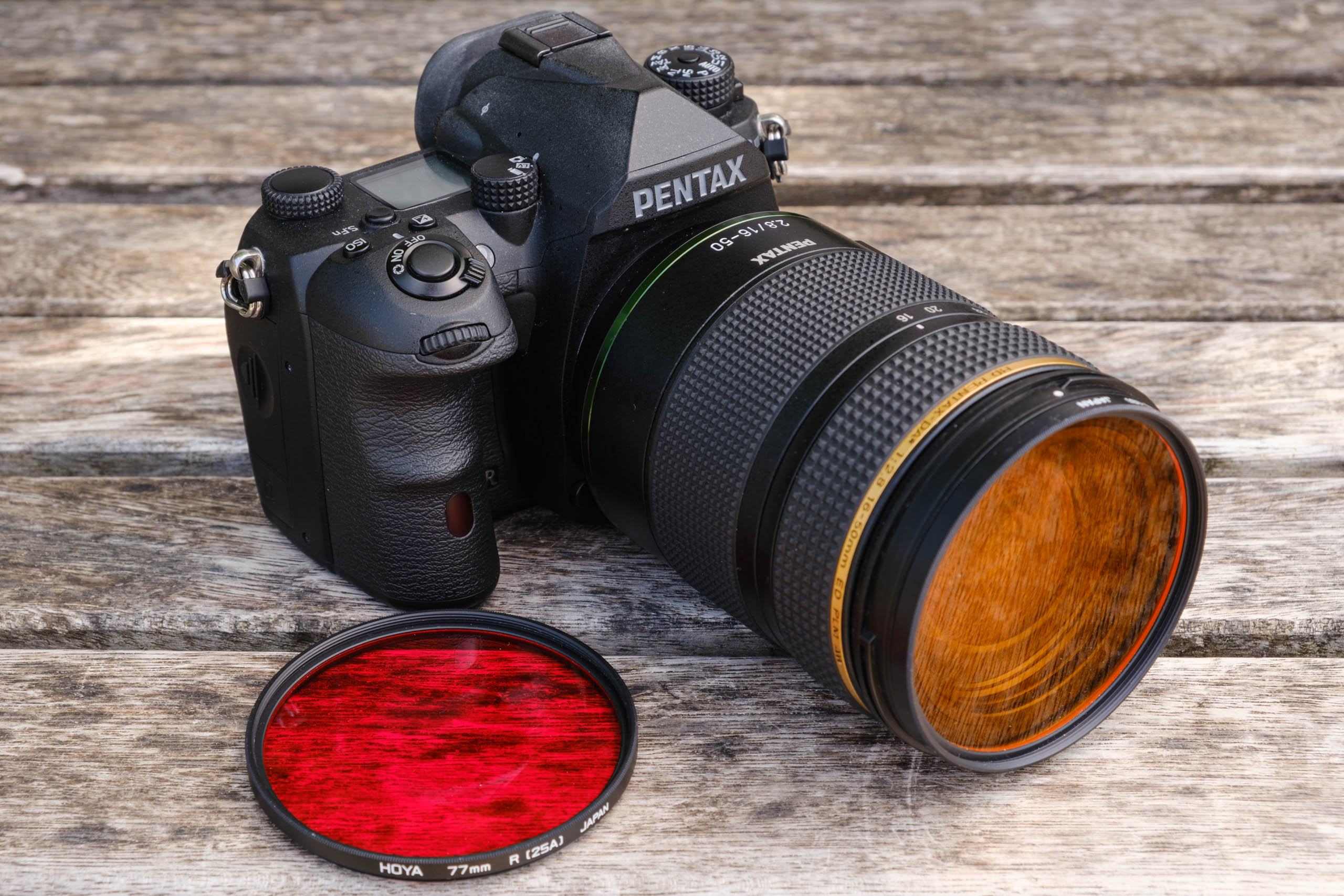
Pentax has struggled in recent years, particularly with their attempts at producing mirrorless cameras. The company's failures in this area led to low sales of Pentax DSLRs, raising the question of whether Pentax should consider a different approach. Despite a small fanbase that still prefers DSLRs, Pentax's sales numbers are significantly lower than those of competitors such as Canon, Sony, and Nikon, which are dominating the mirrorless camera market with millions of sales each.
The issues with Pentax's mirrorless cameras were evident from the start. Their first attempt, the Pentax Q system, featured a tiny compact sensor that was considered low quality at the time, even when compared to modern standards. This led to the system's failure as other companies released cameras with larger sensors and better image quality.
Pentax later attempted to create a mirrorless camera using the same large lens mount as their DSLRs, resulting in the 2012 Pentax K-01, which had slow live view focusing and was generally regarded as undesirable.
Given these setbacks, it seems that Pentast could benefit from a change in direction. One potential option is for Pentax to adopt a new lens mount, even if it means starting from scratch with a new range of lenses. Joining Sony’s E-Mount could provide access to APS-C and full-frame lenses, while Fujifilm’s X-Mount might be appealing for its retro/classic design. However, joining either of these systems would limit Pentax's ability to leverage their existing APS-C and full-frame lenses.
Another possibility is for Pentax to revisit their Q system and embrace smaller formats, even considering a return to film simulations and effects to attract a retro audience. This strategy could result in a resurgence of interest in Pentax cameras, especially if they are updated with modern features like video capabilities.
Finally, there is a potential collaboration with the L-mount alliance, which includes Leica, Panasonic, and Sigma. By joining this alliance, Pentax could benefit from a large selection of lenses and camera bodies, even if it means starting with full-frame cameras. While this option is less likely due to the rarity of lens mount collaborations in the industry, it remains an intriguing possibility for Pentax to consider in order to revive their brand and regain market share.
Written by urgent.news from Amateur Photographer's reporting — not their text. Machine-written — may contain errors; check the original before relying on it.