Oversight of public finances
EDITORIAL: The US State Department in its annual Fiscal Transparency Report for the year concluded that there was a need to strengthen Pakistan’s parliamentary oversight of public finances, highlighting three principal steps that would improve fiscal transparency: (i) making budget proposals publicly available; (ii) detailed information on government debt obligations, including those of state…
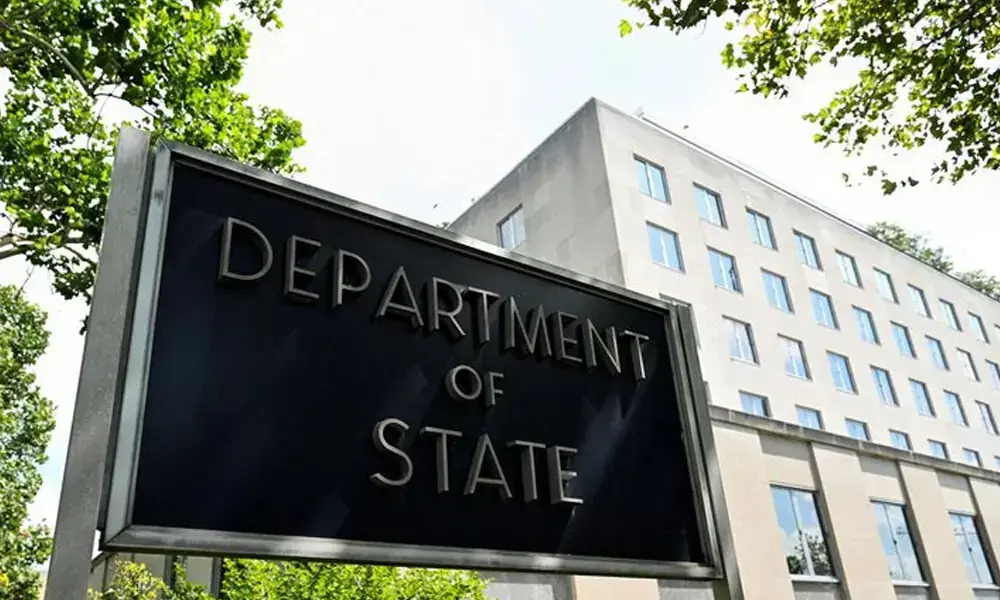
The US State Department's annual Fiscal Transparency Report for Pakistan has emphasized the need for enhanced parliamentary oversight of public finances. This report identified three key areas to improve fiscal transparency: making budget proposals publicly available, providing detailed information on government debt obligations, and subjecting the military and intelligence agencies' budgets to parliamentary oversight.
Pakistan has committed to following international best practices in fiscal transparency, budgeting, and financial disclosures. These commitments are part of an IMF program aimed at structural reform and improving financial management. Budget documents are typically published on the Ministry of Finance website three weeks before the fiscal year concludes.
The budget outlines all expenditures, including military spending, and includes a medium-term debt strategy. Revenue details, particularly revenue growth on specific items, are now provided in absolute terms rather than the previous practice of the Federal Board of Revenue (FBR).
Once the budget is presented, it undergoes discussions in the finance committees of both houses of parliament, leading to potential amendments or recommendations. However, the Ministry of Finance officials note that their capacity to alter major budget allocations is constrained, particularly concerning debt servicing, defense (due to ongoing security threats), and pensions, which together account for 70% of total current expenditures and 67% of total expenditures for 2026-27.
Civilian government operations and subsidies, primarily based on a flawed policy to ensure uniform tariffs across the country, limit the Benazir Income Support Programme (BISP) to 4-5% of total outlays. Despite this, BISP funding has become a condition for IMF loans, as the government has been compelled to increase allocations per beneficiary, with the inherent risk of delays in the staff level agreement to suspend the tranche release.
Business Recorder has highlighted two significant issues with the budget: the overly optimistic revenue generation targets, which the IMF has also acknowledged as a key reason for Pakistan's failure to match regional growth averages, and the lack of parliamentary engagement with budget allocations and revenue matters. The 2026-27 budget is described as the most elitist in Pakistan's history, both in terms of allocations and revenue sources. The indifference of parliamentarians to these measures is now seen as a troubling norm.
To achieve genuine fiscal transparency, it is crucial to alter this situation.
Written by urgent.news from Business Recorder's reporting — not their text. Machine-written — may contain errors; check the original before relying on it.