OLED TVs still have a burn-in problem — but only if you do something really dumb with them
A new torture test proves that burn-in is still an issue on new OLED TVs… but only if you watch thousands of hours of the same channel for over a year straight.
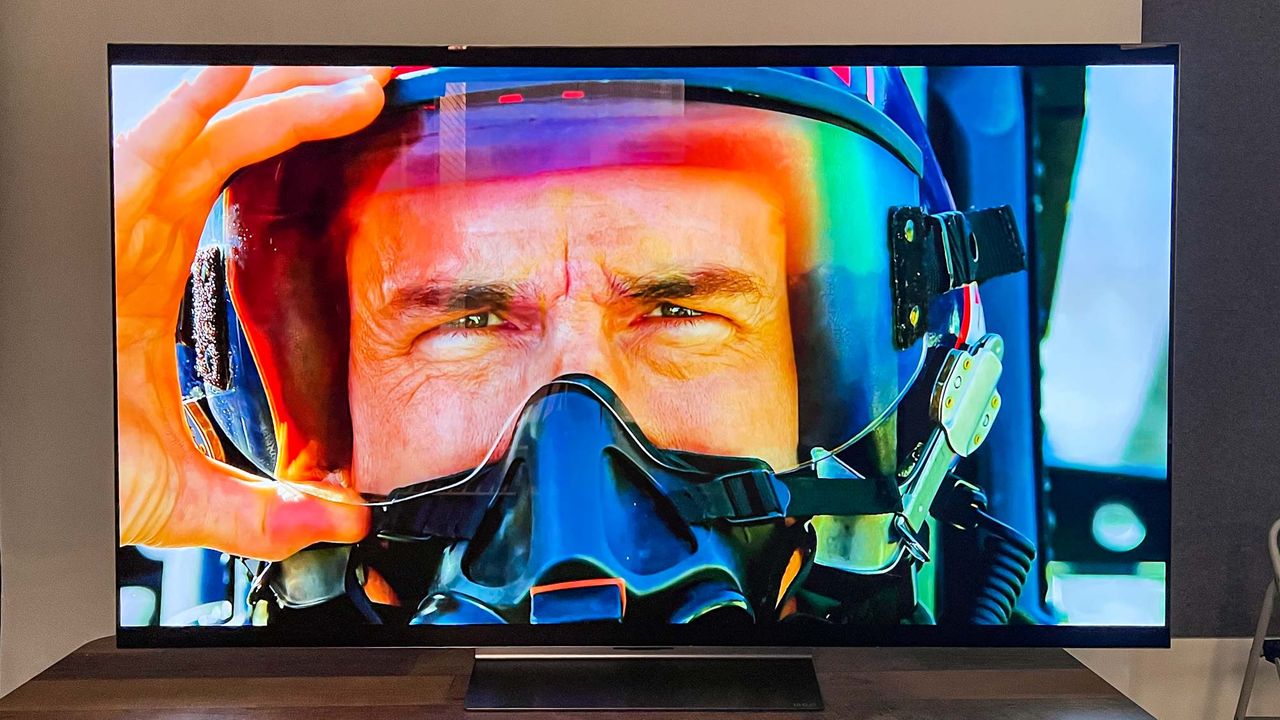
OLED TVs have long been linked to the risk of burn-in, a phenomenon that occurred in some of the first-generation models released back in the mid-2010s. However, modern OLED TVs are no longer at a high risk of suffering from burn-in unless you engage in some particularly foolish practices. One example of an extreme scenario is watching the same channel without changing it for thousands of hours in a row, as demonstrated by a publication that conducted an experiment over a period of 441 days.
In a recent update to its industry-standard 10,500-hour torture test, Rtings found that OLED TVs manufactured between 2020 and 2023 did not exhibit significant burn-in compared to a 2017 LG model. This suggests that newer OLED TVs with deuterium-based organic elements perform similarly to older models using carbon-hydrogen bonds, provided they are not constantly exposed to high brightness levels.
If you watch content at lower than maximum brightness or allow preventative features like pixel refresh and pixel shift to operate periodically, your OLED TV is not at a high risk for burn-in.
To keep your OLED television colorful and free from burn-in for years, consider the following tips. First, avoid setting your TV to its highest brightness level, especially in a sun-drenched room or dark environment where SDR content is being watched. Second, give your TV some downtime each day by turning it off, using a sleep timer, or switching to another device when you're not at home.
This downtime allows burn-in prevention features to function properly. Lastly, vary the channels and games you watch or play to prevent leaving your OLED TV in a static state for prolonged periods. By following these guidelines, you can significantly reduce the likelihood of experiencing burn-in on your OLED television.
Written by urgent.news from Tom's Guide's reporting — not their text. Machine-written — may contain errors; check the original before relying on it.
This story
This is one outlet's version. Read the fullest account.