Nomkhubulwane: The festival of nature, fertility and renewal
Once an ancient Zulu tradition, the Nomkhubulwane Festival has been revived as a celebration of nature, fertility, agriculture and community wellbeing, offering a window into the cultural and spiritual practices that have endured across generations.
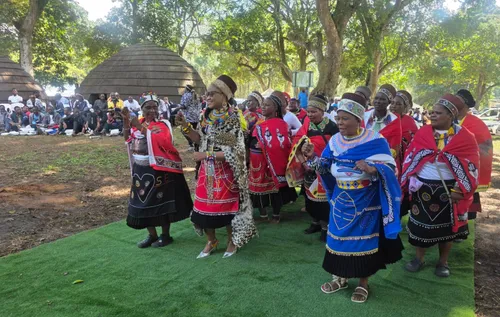
The Nomkhubulwane Festival is an age-old Zulu ceremony that revolves around nature, agriculture, fertility, rain and community welfare. At its core is uNomkhubulwane, a revered female figure in Zulu tradition symbolizing fertility, agriculture, nature and rainfall. Historically, the festival fell in line with the shift from winter to the planting season, as communities geared up for the agricultural year ahead.
According to records maintained by the Alan Paton Centre and Struggle Archives at the University of KwaZulu-Natal, an annual festival in honor of Nomkhubulwane had been taking place for over two centuries. However, this practice saw a sharp decline after Christianity gained prominence, leading to a waning of female worshippers in traditional Zulu religious customs.
The festival began to see a resurgence in the 1990s, with cultural expert Nomagugu Ngobese playing a pivotal role. Her inspiration came to her in a dream in 1994, sparking the revival of the festival. By the mid-1990s, a revived Nomkhubulwane ceremony was held, with researchers from the University of Natal documenting the ceremonies and interviewing participants, traditional healers and leaders.
The revival subsequently expanded to various communities across KwaZulu-Natal. The festival underscores the bond between humans and nature, encouraging prayers for rain, bountiful harvests, fertility, prosperity and protection. It also incorporates agricultural activities like cultivating or planting gardens in certain modern-day ceremonies.
Notably, the 2026 Nomkhubulwane ceremony, backed by uMfolozi Municipality, involved women engaging in fieldwork and praying for plentiful crops and divine blessings. While both Nomkhubulwane and the Reed Dance (uMkhosi woMhlanga) involve young women and uphold Zulu cultural traditions, their primary objectives differ. Nomkhubulwane centers around nature, agriculture, fertility, rain, renewal and community welfare.
In contrast, the Reed Dance primarily focuses on young unmarried women, chastity, cultural identity and the presentation of reeds to the Zulu monarch. Despite their distinct histories and cultural significances, the two ceremonies can overlap in terms of participants, traditional leadership and themes of cultural conservation. For communities that still uphold Nomkhubulwane, it signifies a steadfast link between culture, spirituality, women, agriculture and the natural world.
Written by urgent.news from IOL's reporting — not their text. Machine-written — may contain errors; check the original before relying on it.