National Green Tribunal Delhi Takes Cognisance Of E-Waste Disposal
Bhopal (Madhya Pradesh): The Central Zone Bench of the National Green Tribunal (NGT) will hear e-waste disposal case on August 31 in Bhopal. The petition was filed in NGT Delhi, which has directed Central Zone of NGT, Bhopal to hear it. The matter was heard by Justice Arun Kumar Tyagi and judicial member Dr A Senthil Vel. As per applicant Nitin Saxena submission, media reports says that a…
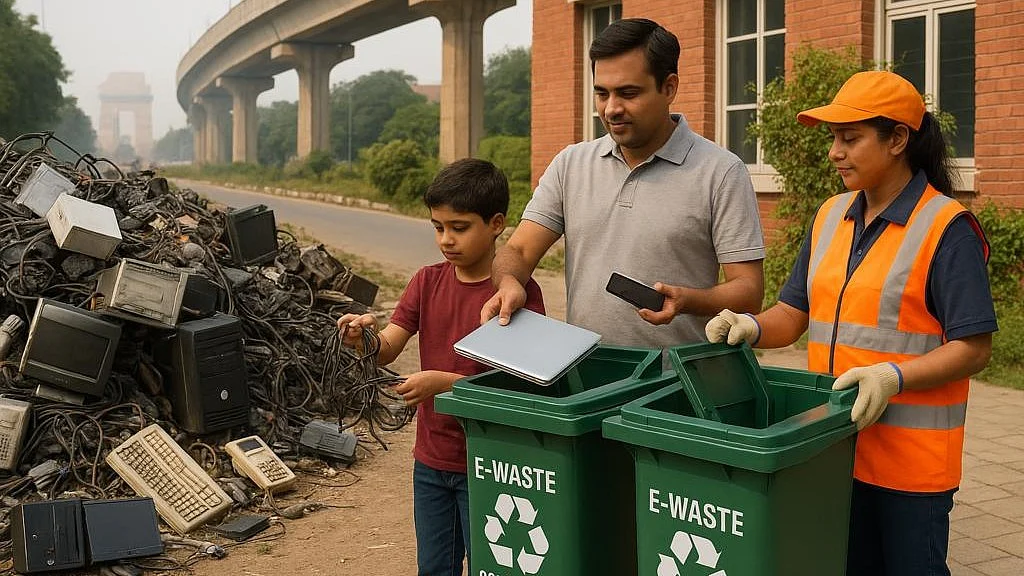
On August 31, the Central Zone Bench of the National Green Tribunal (NGT) will deliberate on an e-waste disposal case in Bhopal, Madhya Pradesh. The petition was filed in NGT Delhi, which has mandated the Bhopal bench to hear the matter. Justice Arun Kumar Tyagi and judicial member Dr A Senthil Vel will preside over the hearing.
According to the applicant, Nitin Saxena, the media reports reveal that a significant volume of electronic waste (e-waste) is generated daily in Bhopal. However, only about 10% of this waste is processed and disposed of in a scientifically regulated manner. The remaining e-waste is handled by unauthorized scrap dealers and informal recycling units, which is an environmentally unsafe practice. This scenario not only breaches environmental laws but also endangers public health.
The report highlights that open burning and dismantling of mobile phones, computers, and other electronic waste emits highly toxic substances such as lead, mercury, cadmium, and chromium. These contaminants pollute the air, soil, and groundwater. Prolonged exposure to these hazardous materials can lead to neurological disorders in children, kidney diseases, respiratory illnesses, and other severe health issues. The situation is a silent threat to public health.
The complaint asserts that a substantial quantity of e-waste is produced daily in Bhopal, but only a limited amount undergoes scientific processing and disposal. The majority of e-waste is either sold to unauthorized scrap dealers or processed through informal recycling units. The open burning or unscientific dismantling of electronic waste can release harmful metals and substances, contaminating air, soil, and groundwater, and adversely affecting public health.
Written by urgent.news from Free Press Journal's reporting — not their text. Machine-written — may contain errors; check the original before relying on it.