NASA Student Aviation Challenge Focuses on Nation’s Infrastructure
NASA’s next Gateways to Blue Skies competition invites collegiate teams to imagine innovative new ways aircraft could inspect land-based infrastructure, such as bridges and tunnels, to improve safety, reliability, and costs by 2035 or sooner. Infrastructure is the foundation of the nation’s strong economy, global competitiveness, and daily quality of life. When that infrastructure is […] The post…
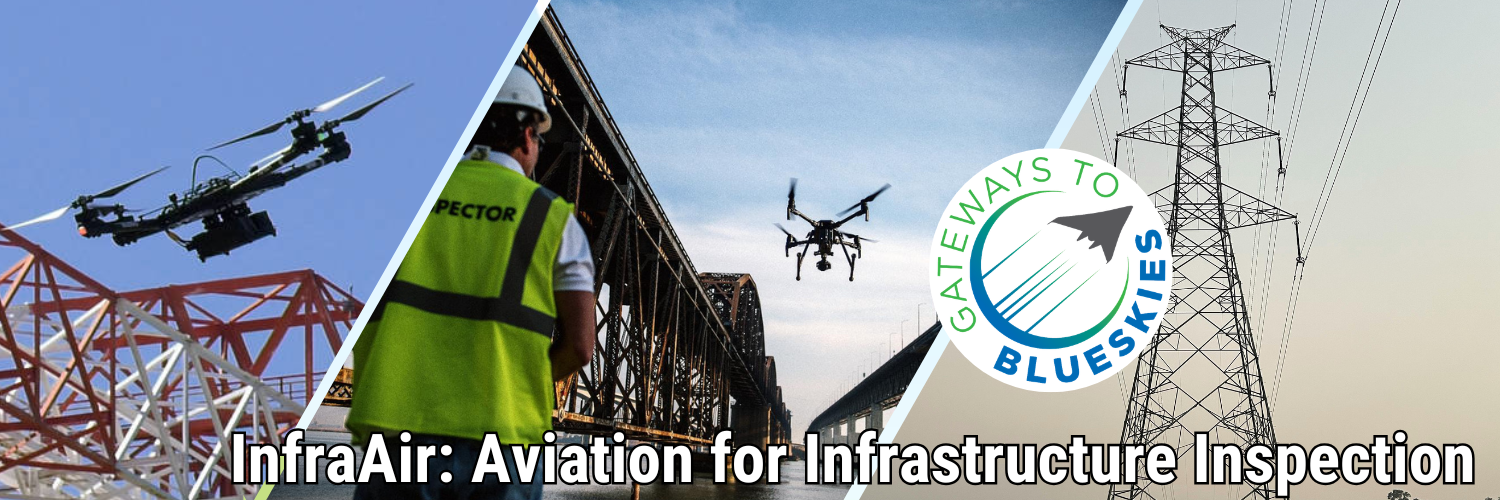
NASA's Gateways to Blue Skies competition challenges collegiate teams to envision innovative aviation methods for inspecting land-based infrastructure, including bridges and tunnels, by 2035. Infrastructure is crucial for the nation's economy, global competitiveness, and quality of daily life; damage or disrepair impedes movement of people, goods, and essential resources.
Inspections are vital but often difficult due to the size and inaccessibility of infrastructure. Innovative airborne platforms could revolutionize inspection practices. Steven Holz, lead of the competition at NASA's Langley Research Center, emphasizes the need for creative solutions. Sponsored by NASA's University Innovation Project, the 2027 competition invites multidisciplinary teams of two to six students to conceptualize aviation innovations.
The competition is open to college students across backgrounds, majors, and levels. Teams submit proposals and videos for Phase 1, advancing to Phase 2 with a $9,000 prize. Up to eight finalists present their work to NASA and industry experts. Winners may intern with NASA Aeronautics. Teams must submit a non-binding Notice of Intent by Oct.
12 to stay informed. Proposal and video submissions are due Feb. 22, 2027. Managed by NASA's Research and Technology Mission Directorate, the competition encourages diverse participation.
Written by urgent.news from NASA Science's reporting — not their text. Machine-written — may contain errors; check the original before relying on it.
This story
This is one outlet's version. Read the fullest account.