Mobile queen conch hatcheries strive to help the species, engage Caribbean communities
Queen conch were once so abundant that fishers in many parts of the Caribbean could wade into knee-deep waters and gather armfuls of the pink, whorled shells. Today, however, the giant marine snails are in decline across the Gulf of Mexico and the Caribbean Sea, while some populations have already collapsed. Growing demand for queen […]
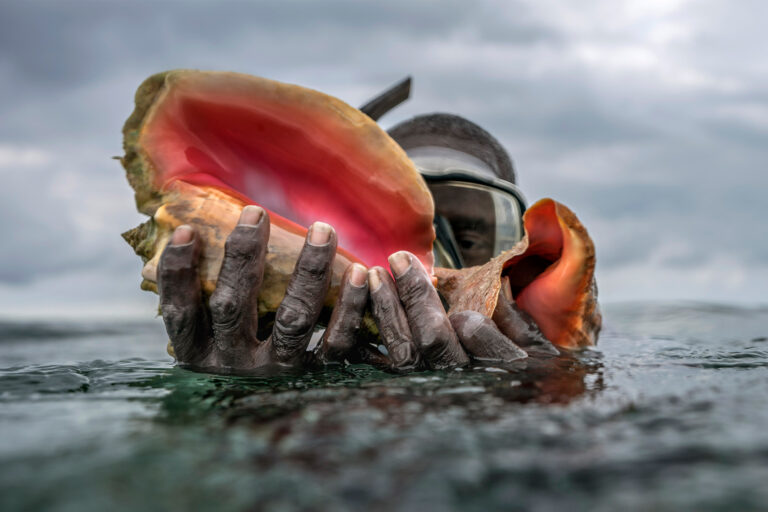
Queen conch, once abundant in the Caribbean, are now declining due to overharvesting, habitat degradation, pollution and warming waters. Despite international regulations and local bans, few conch survive to adulthood. To combat this, scientists are using solar-powered mobile hatcheries to protect conch during their early life stages, aiming to increase their numbers reaching reproductive age.
The Queen Conch Lab, run by Florida Atlantic University in collaboration with local conservation groups, is leading this effort. These hatcheries serve not only as nurseries but also as educational centers, where people can learn about the conch's life cycle and contribute to restoration.
Written by urgent.news from Mongabay's reporting — not their text. Machine-written — may contain errors; check the original before relying on it.