Malaysia wary of BYD disrupting auto market as in Thailand – Ong Kian Ming
KUALA LUMPUR: The automotive industry is in a state of flux, as investments by Chinese automakers in Malaysia and Southeast Asia are disrupting their respective markets, causing governments to scramble to respond in order to protect their local players.
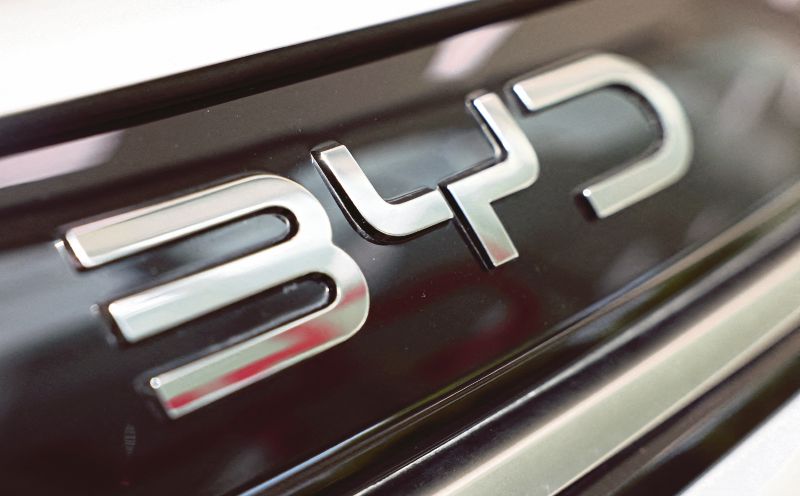
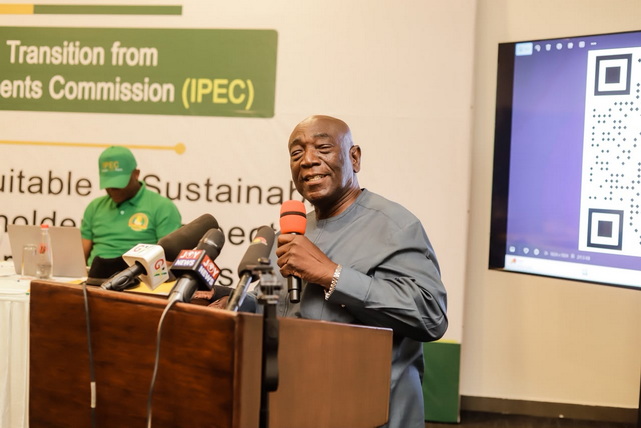
Malaysia is concerned about BYD's entry into the local automotive market, fearing it could disrupt the industry similar to what happened in Thailand. Dr Ong Kian Ming, a Taylor's University adjunct professor, noted that while most Chinese carmakers' plans in Malaysia were anticipated by the government, BYD's approach caught them off guard.
Thailand experienced a significant impact from BYD's 150,000 unit volume investment, which sold a substantial portion of their vehicles in the domestic market, prompting Malaysia to take notice and act. The Malaysian government opened its automotive market to imported completely built-up electric vehicles (EVs) between 2022 and 2025, leading to intense competition from Chinese automakers.
BYD initially planned to set up a local assembly plant in Tanjung Malim, Perak, but the investment was halted after the government ruled that 80% of the planned production volume must be exported. Ong criticized the government's policy restricting the sale of imported EVs to models with a cost, insurance, and freight value of at least RM200,000, as it disproportionately protected local automakers Proton and Perodua, while making affordable EV models less accessible.
He emphasized the importance of effective communication from the government, as the automotive parts ecosystem in Malaysia is substantial and contributes significantly to the overall automotive industry. Ong also pointed out that the Malaysian government needs to update its National Automotive Policy to better align with current policies and government aspirations for an EV ecosystem, suggesting that policies should be adjusted to reduce petrol subsidies or increase prices slightly.
Written by urgent.news from New Straits Times's reporting — not their text. Machine-written — may contain errors; check the original before relying on it.